October 7, 2026
September 25, 2026
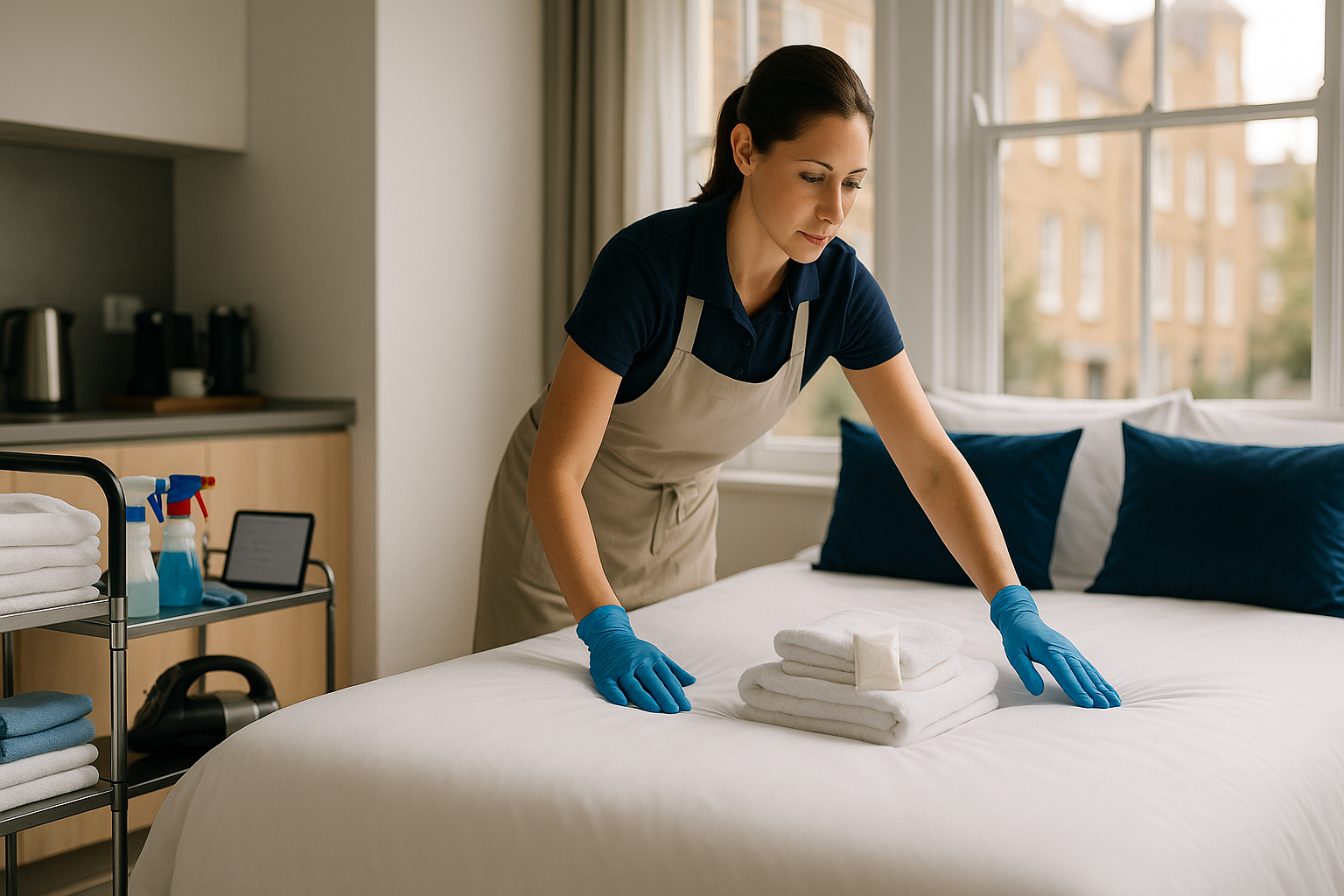
One tired review mentioning stains and sticky surfaces can erase days of bookings for a Cambridge short-let. For hosts who want reliable occupancy, predictable turnover times, and five-star guest impressions, professional cleaning is the practical lever that protects your income and reputation.
Introduction
Airbnb cleaning service Cambridge is about more than wiping down surfaces. It means consistent presentation between guests, quick and dependable turnarounds during peak weeks, and a reduction in stress for hosts who manage multiple properties. This article explains what professional turnover cleaning actually involves, how it affects your listings, and how to choose a provider that fits Cambridge’s unique patterns of demand, from graduation weekends to summer tourist season.
Why hire a professional Airbnb cleaning service in Cambridge
Cambridge has a steady stream of visitors: academic events, visiting families, business travelers, and tourists who arrive for punting and museums. That variety creates spikes in demand and short windows between check-outs and check-ins. A professional cleaning service gives you three practical advantages.
First, consistency. Professional teams follow checklists and quality standards so each guest finds the same level of cleanliness. That consistency translates into higher review scores and fewer emergency fixes.
Second, speed and availability. Trained cleaners can perform efficient turnovers under pressure, which is crucial during busy weeks. They plan schedules across properties, arrive with supplies and equipment, and handle laundry logistics.
Third, reduced host workload. Outsourcing cleaning frees time for guest communication, maintenance coordination, and marketing. For hosts managing multiple listings, that saved time directly increases capacity to scale.
Airbnb cleaning service Cambridge: what to expect
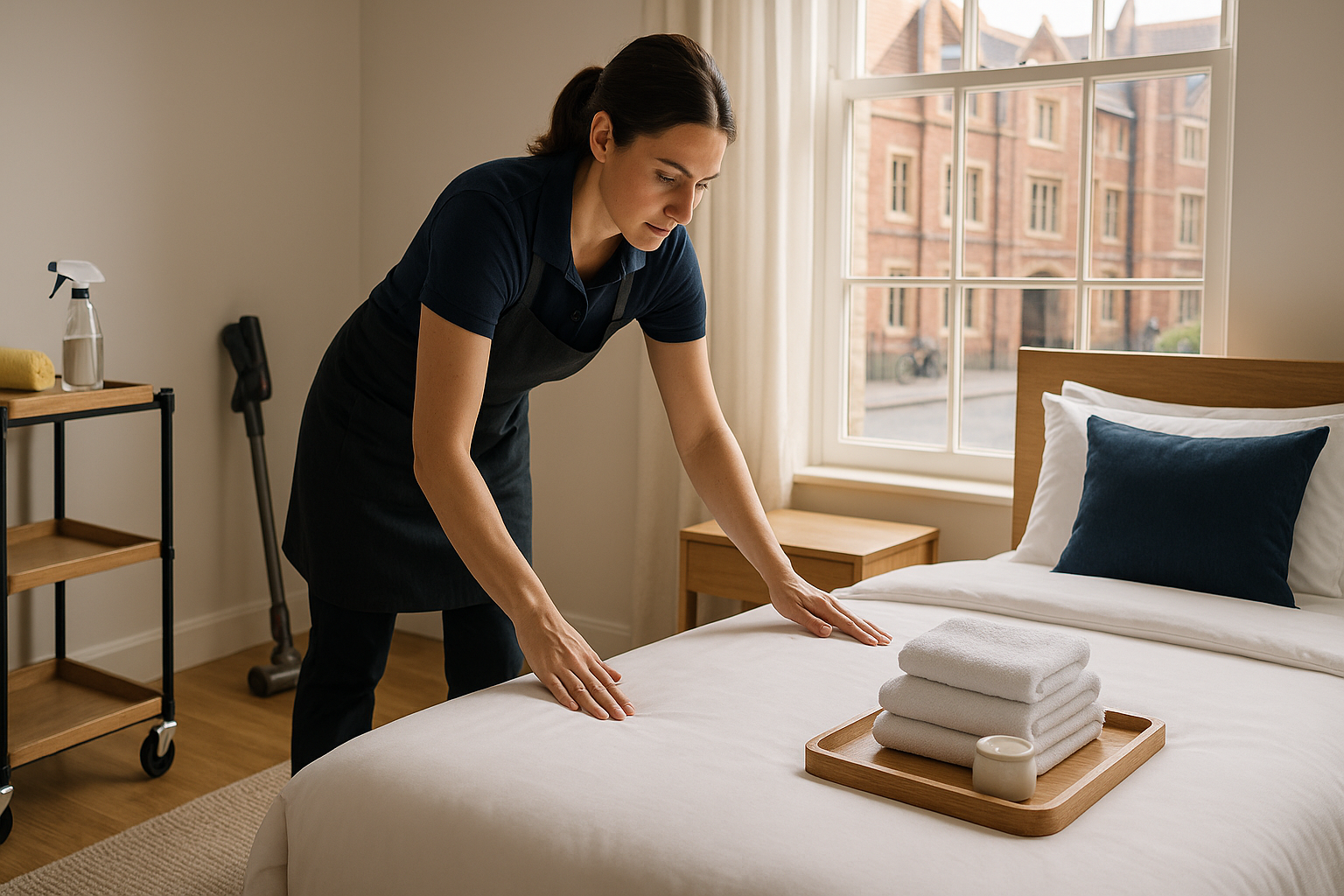
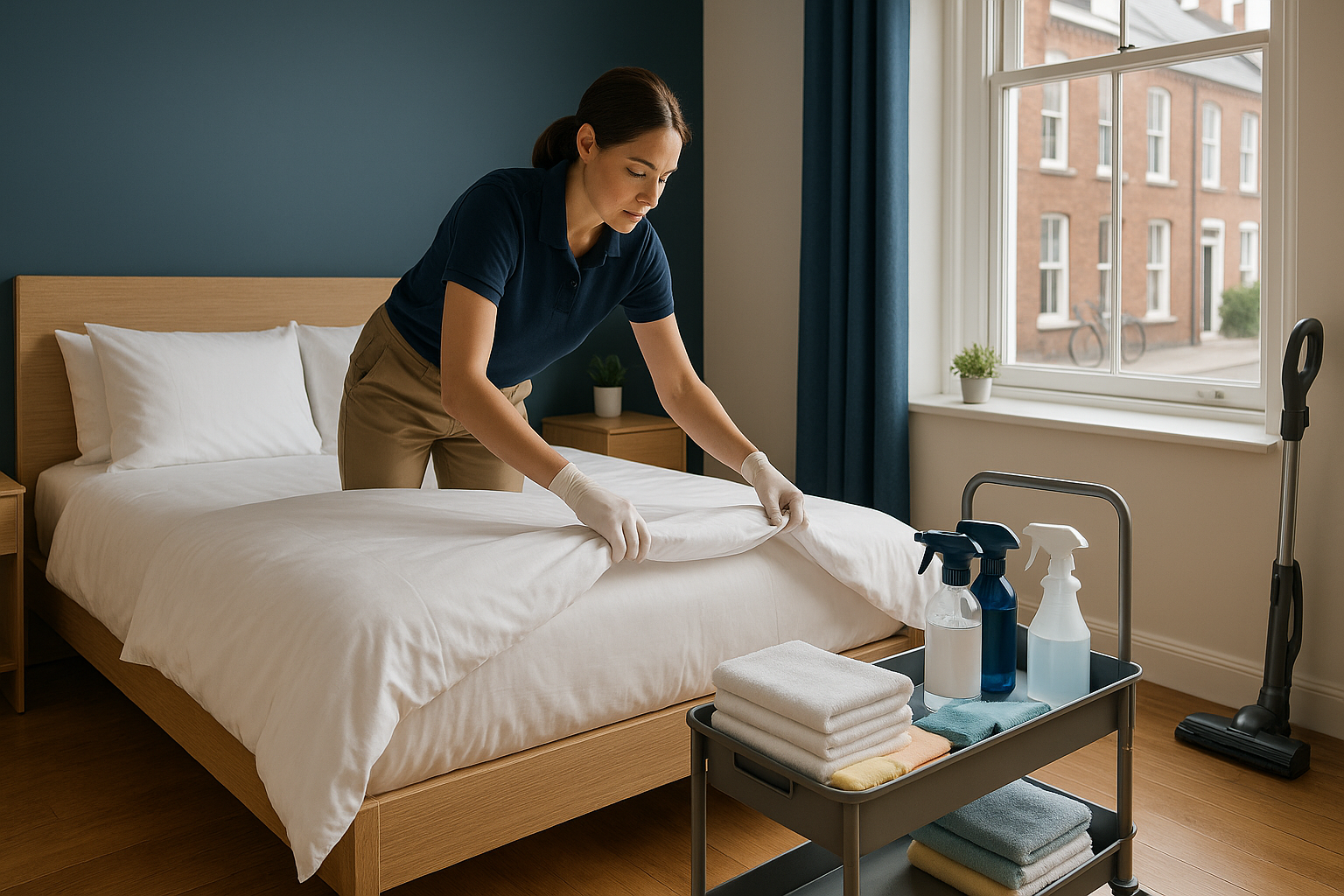
When you hire a professional turnover cleaner, expect a routine that goes beyond sweeping and making beds. Standard processes tend to follow a predictable order: remove trash, launder and replace bedding, clean kitchens and bathrooms, dust, vacuum and mop floors, and perform a final inspection. Reliable services will confirm completion by sending photos or updating a host portal.
Standard turnover tasks
A robust turnover starts with clearing the property of guest waste and personal items left behind. Every surface gets wiped with appropriate disinfectant, with special attention paid to high-touch areas such as door handles, light switches, remote controls, and kitchen taps. Bathrooms receive focused treatment: descaling, sanitizing toilets, cleaning mirrors and grout lines, and restocking toiletries. Kitchens are degreased, countertops disinfected, appliances checked and sinks cleared.
Laundry and linen handling
Professional cleaners either handle linen on-site or coordinate with a laundry partner. Clean, crisp bedding and towels are essential for guest satisfaction. Expect inspections for stains and repairs, and a system for keeping spares so you never run out when multiple turnovers occur on the same day.
Restocking and consumables
Good turnover service also restocks essentials: toilet roll, hand soap, dishwasher tablets or washing powder, and basic tea and coffee supplies. This reduces the chance of last-minute shopping runs and maintains the sense of thoughtful hospitality guests mention in reviews.
Deep cleaning and periodic maintenance
Beyond routine turnovers, schedule periodic deep cleans. These address areas that accumulate grime over months, such as oven interiors, under furniture, and windows. Professional cleaners can also provide carpet steam cleaning, upholstery treatments, and external garden tidy-ups to keep long-term wear from affecting guest impressions.
How professional cleaning improves reviews and occupancy
Cleanliness is one of the top rated criteria on most short-let platforms. A spotless, well-prepared property increases the likelihood of a five-star review. Moreover, consistent cleaning reduces negative surprises that trigger complaint escalations or cancellations, both of which can damage listing visibility.
Imagine a two-bedroom city centre apartment that hosts three turnovers a week, including a graduation weekend with back-to-back arrivals. A professional cleaner ensures beds are remade to a hotel standard, bathrooms are immaculate and the kitchen looks like it was never used. Guests notice small things, like no hair in the drain and folded towels, and they reward that attention with positive feedback. Over time, higher review averages translate into better search placement and higher nightly rates.
How to choose the right Airbnb cleaning service in Cambridge
Choosing a cleaner is more than comparing prices. Look for the following traits.
Reliability and turnaround capability
Ask about scheduling flexibility and how the company handles same-day or last-minute requests. Cambridge events create unpredictable demand, so your cleaner should have contingency plans for large weekends.
Experience with short-term rentals
Cleaning a family holiday home differs from cleaning a rental used by students. Specialists understand platform expectations, know which items to inspect, and are familiar with quick troubleshooting. They will know which stains can be removed onsite and which require professional treatment.
Insurance and safety checks
Confirm that the company carries public liability insurance and that staff are background checked if they have access to keys. Insurance protects you from accidental damage claims and gives peace of mind about liability.
Quality assurance and communication
Choose a service that provides inspection photos, uses a checklist, and has a simple communication channel. A company that integrates with platforms or property management software will streamline handoffs and reduce errors.
Local references and reviews
Ask for references from other Cambridge hosts. Word of mouth from nearby properties is especially valuable because local conditions, like parking or narrow staircases, can affect costs and logistics.
Pricing and scheduling realities
Turnover costs vary by property size, condition and the level of service. Expect a one-bedroom flat to require less time and cost than a three-bedroom house with gardens. Cleaners often charge per turnover or by the hour, and rates can rise during peak periods.
Typical time allocations
A professional cleaner will usually allocate between 60 and 120 minutes for a standard one- to two-bedroom turnover, depending on the level of cleaning required and whether laundry is handled off-site. Larger properties or those left in poor condition take longer. Deep cleans can take several hours.
Factors that increase cost
Hard stains, excessive clutter, pet hair, or cigarette smoke increase labour and materials costs. Short-notice bookings, weekend schedules, or the need for extra services such as oven cleaning or carpet steam cleaning also raise the price. Discuss these variables upfront to avoid surprises.
Ways to reduce costs
Hosts can lower turnover time, and therefore cost, by simplifying the property. Keep surfaces clear of personal clutter, provide clear house rules to reduce stain risk, and maintain an organized linen storage area. A small investment in spare bedding and a set of basic cleaning supplies for quick touch-ups can reduce emergency call-outs.
Preparing your property for smooth turnovers
Small host actions can cut cleaning time and improve results. Prioritize three things: accessibility, simplicity, and durability.
Make access easy
Provide secure key handover instructions, or use a smart lock with temporary guest codes. If parking instructions or stair access require explanation, include those details in the cleaner’s brief to avoid delays.
Minimize clutter
Remove excess ornaments, unnecessary textiles and anything that slows down cleaning. Open-plan properties benefit from fewer fragile items and less soft furnishing that need repositioning.
Use durable, easy-to-clean materials
Choose linens, rugs and upholstery that resist stains and launder well. Replace absorbent mats with washable alternatives. These choices make stain removal quicker and less likely to require professional treatments.
Leave clear instructions
A short, written guide for cleaners saves time. Note where extra linens live, how to operate major appliances, and which cleaning products are preferred. If the property has quirks, such as a sensitive boiler or restricted waste collection days, include that information.
Quality control and keeping standards high
Consistency matters. Put systems in place to verify quality without micromanaging.
Set measurable standards
Create a checklist that defines clean. Instead of saying the bathroom should be clean, list specifics such as no water marks on glass, towel hooks wiped, and grout free from mildew. Share this with your cleaning provider.
Spot-checks and photo audits
Schedule periodic inspections and ask the cleaning service to send after-photos of key rooms. Photo evidence saves time if issues arise and provides proof that the turnover was completed to the agreed standard.
Gather guest feedback and act on it
When guests comment on cleanliness, treat it as a data point. If multiple guests highlight the same issue, address it with the cleaning company immediately. Small adjustments often resolve recurring problems.
Handle disputes professionally
If an item is damaged or a cleaning standard is not met, document the problem with photos and timestamps, then escalate to the company. Clear records support claims and help maintain a constructive relationship with your cleaner.
Special Cambridge considerations
Cambridge sees predictable seasonal pressure points that affect cleaning logistics. Graduation weekends, May Ball season and summer tourist months mean rapid turnarounds and longer working days for cleaners. Coordinate with your cleaning provider well in advance for those dates. Also consider student tenancy cycles. Properties used for summer lets may require end-of-term deep cleans to remove accumulated dirt and restore the property to a rental-ready condition.
Examples and scenarios
Scenario one: A one-bed central flat with back-to-back bookings. The cleaner arrives with a laundry bag of fresh linen, removes used bedding, clears refuse, sanitizes the bathroom, wipes kitchen surfaces, vacuums and takes photos. Turnaround completed in 75 minutes. The host avoids booking gaps and earns higher nightly rates due to consistently positive reviews.
Scenario two: A three-bed house hosting a family festival weekend. The property requires additional hours for garden tidy and outdoor furniture cleaning. The host negotiates a supplemental service charge with the cleaner and schedules an extra deep clean after the weekend. The house returns to pre-event condition and receives reviews praising the outside space.
When to consider in-house cleaning versus an external service
If you manage a single property and enjoy doing the turnovers, in-house cleaning can save money. However, if you scale to multiple properties, find weekends stressful, or want reliable quality without hands-on oversight, outsource to a professional team. Hybrid options also exist, where a cleaner handles routine tasks and you or a local maintenance person handles occasional deep cleans or repairs.
Final thoughts
Hiring an Airbnb cleaning service in Cambridge protects your listing’s reputation and frees you to focus on guest experience and property growth. The right provider delivers consistent turnovers, flexible scheduling for peak periods, and clear communication. Start by defining your cleanliness standards, talk openly about expectations and costs, and select a local team with short-let experience and verifiable references. That practical partnership keeps your calendar full and your guests returning.
A clean property is not only more bookable, it is more profitable and less stressful to manage. If you have a Cambridge listing, consider evaluating your current cleaning arrangement this month and compare one local professional turnover service for quality, price and responsiveness. Your next five-star review could start with that decision.