September 20, 2026
April 26, 2026
Guests rarely praise a place for being clean, yet they never forget a dirty fridge shelf or a hair in the shower. That tiny miss can cost you a five-star review, a repeat booking, and the trust you worked to earn. Cleanliness sets the tone for everything that follows, from how guests treat your space to how safe they feel within it.
If you host on Airbnb, you already know great photos and a good location bring people to your listing. What seals the experience is the state of your space when they open the door. This is why Airbnb cleaning is important. It drives reviews, protects safety, reduces wear and tear, and keeps your operations predictable. Done right, it becomes your quiet advantage.
Cleanliness is not only about appearances. For short-term rentals, it influences the core metrics that matter: ratings, occupancy, and revenue.
Guests rate cleanliness as its own subscore. If it dips, your overall rating suffers, and that affects your visibility and booking pace. Even one low review with a note about dust or sticky countertops can deter future guests, especially when they scan recent feedback for red flags.
Cleanliness also reduces risk. Proper cleaning removes germs, allergens, and irritants that can cause minor illnesses or reactions. It keeps the space free of hazards like broken glass, slick floors, or hidden mold. A clean property is easier to inspect, which means you spot maintenance issues before they become emergencies.
Lastly, consistent cleaning streamlines your operation. With a standard process, you shorten turnovers, reduce last-minute scrambles, and keep supplies under control. It saves time and money, even if it feels like a cost center at first.
Guests equate a spotless space with a safe one. That perception often matches reality.
A thorough clean removes grime, bacteria, and virus particles from high-touch areas. Think light switches, remotes, handles, and faucets. It also minimizes allergens like dust and pet dander, which is especially important if your listing welcomes animals or sits in a pollen-heavy region.
Cleaning is also when you find real hazards. You notice a loose stair tread because you mopped it. You spot signs of water intrusion while wiping baseboards. You smell gas when the kitchen is aired out. You see a frayed cord behind a nightstand while vacuuming. These discoveries only happen when you inspect with care, not when you do a quick tidy.
Finally, a clean environment discourages pests. Crumbs and spills invite ants and roaches. Unwashed linens can harbor dust mites. A disciplined routine interrupts the conditions pests rely on, which protects both guests and your property.
First impressions form in under a minute. Guests step inside and take in smell, surfaces, and order.
Scent comes first. A neutral, fresh smell communicates care. Harsh fragrances trigger suspicion or headaches. If the vibe reads “masking something,” you start behind.
Next is the visual scan. Are the counters clear and dry? Does the sink gleam without water spots? Are floors free of debris, not just pushed to corners? Do beds look crisp and tight, not just pulled over? Few things break trust faster than stray hair on a pillow or in the tub.
Then come the details. A streaky mirror suggests haste. A sticky remote says no one cleaned it. Grease on a range hood hints that other hidden areas were skipped. Guests do not search for flaws, but once they find one, they look harder.
Treat the entry, kitchen sink, bathroom vanity, shower glass, and bed presentation as your opening statement. Nail these, and small imperfections elsewhere feel forgivable. Miss them, and everything that follows is graded harshly.
Great cleaning is not a sprint before check-in. It is a repeatable system. Start with a fixed order of operations and a simple rule: clean top to bottom, left to right, room by room. This prevents missed spots and reduces backtracking.
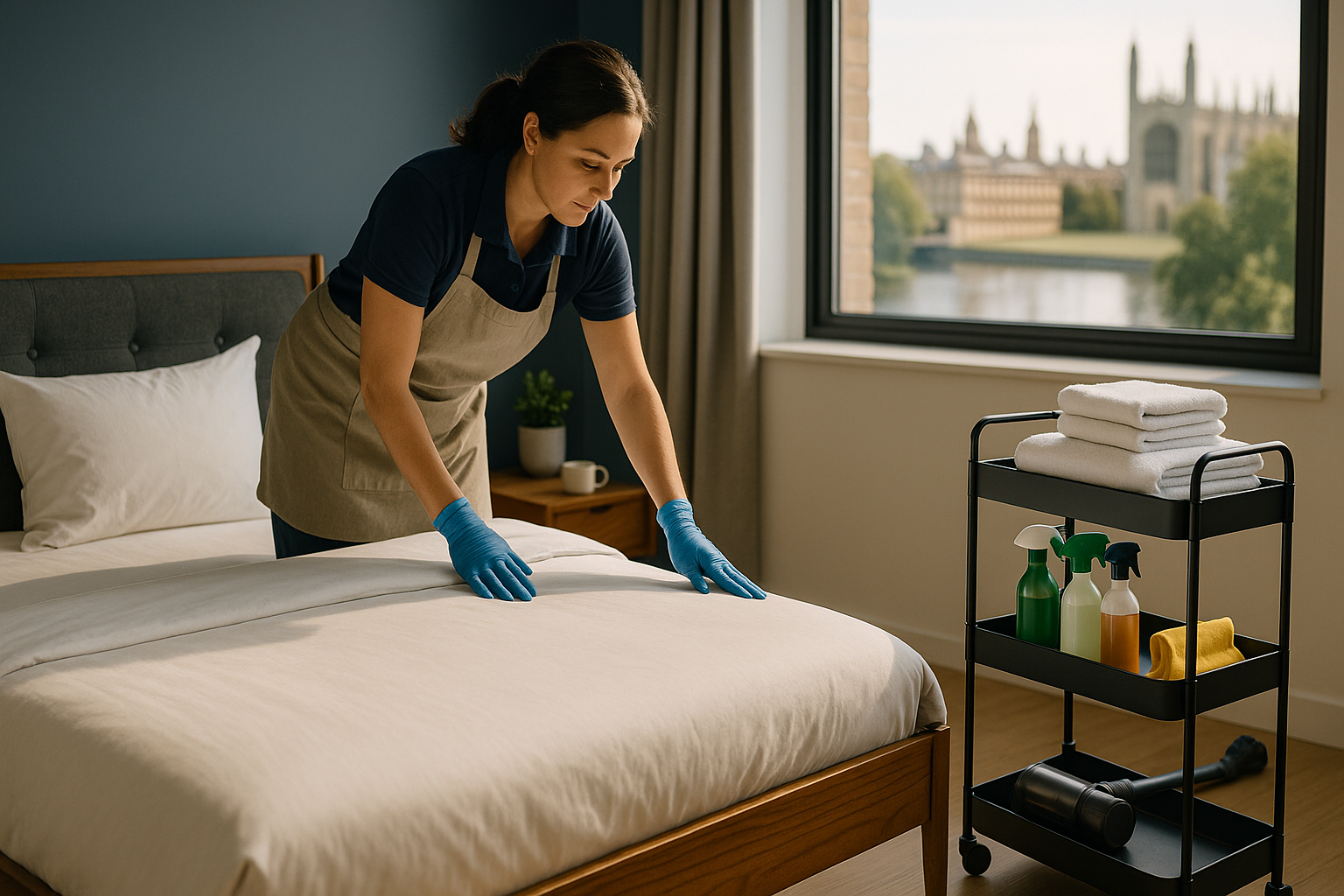
Strip and bag all linens first, then remove trash. Pre-treat stains right away so they do not set while you work. Load laundry early if you have on-site washers, then cycle as you go. Air out the property by cracking windows for a few minutes if weather allows.
In kitchens, degrease before you disinfect. Food residue blocks sanitizers from doing their job. Wipe appliances inside and out, including handles and touch panels. Run the dishwasher with any dishes left by guests, then hand-check a couple of items for residue to make sure water jets are not blocked.
In bathrooms, allow cleaners to dwell for the full contact time printed on the label. Descale showerheads and polish fixtures until they shine. Replace shower liners if they develop mildew along the bottom seam. Wipe tile grout lines where shampoo collects. Refill soap and paper goods so guests never ration.
Dust methodically from ceiling fans and vents down to baseboards. Vacuum under furniture, not just around it, and use a crevice tool for edges and sofa seams. Mop last so you are not crossing wet floors while staging.
Linens carry the heaviest judgment. Use white sheets and towels when possible. They look crisp, they launder well with hot water and oxygen-based bleach, and they show stains that need treatment. Include makeup towels or dark face cloths to protect your bath linens.
Launder all bedding that touches skin between stays. That means sheets, pillowcases, and duvet covers. Mattress and pillow protectors should be waterproof and washable. Spot-check for hair and lint after drying, then fold or stage immediately to avoid wrinkles and pick up no dust.
Keep a stain protocol. Treat body oil marks at pillow edges with an enzyme pre-wash. Address sunscreen and mascara with a degreasing agent. Retire linens before they look tired. Guests forgive a small nick in a table leg, but a dingy towel reads as neglect.
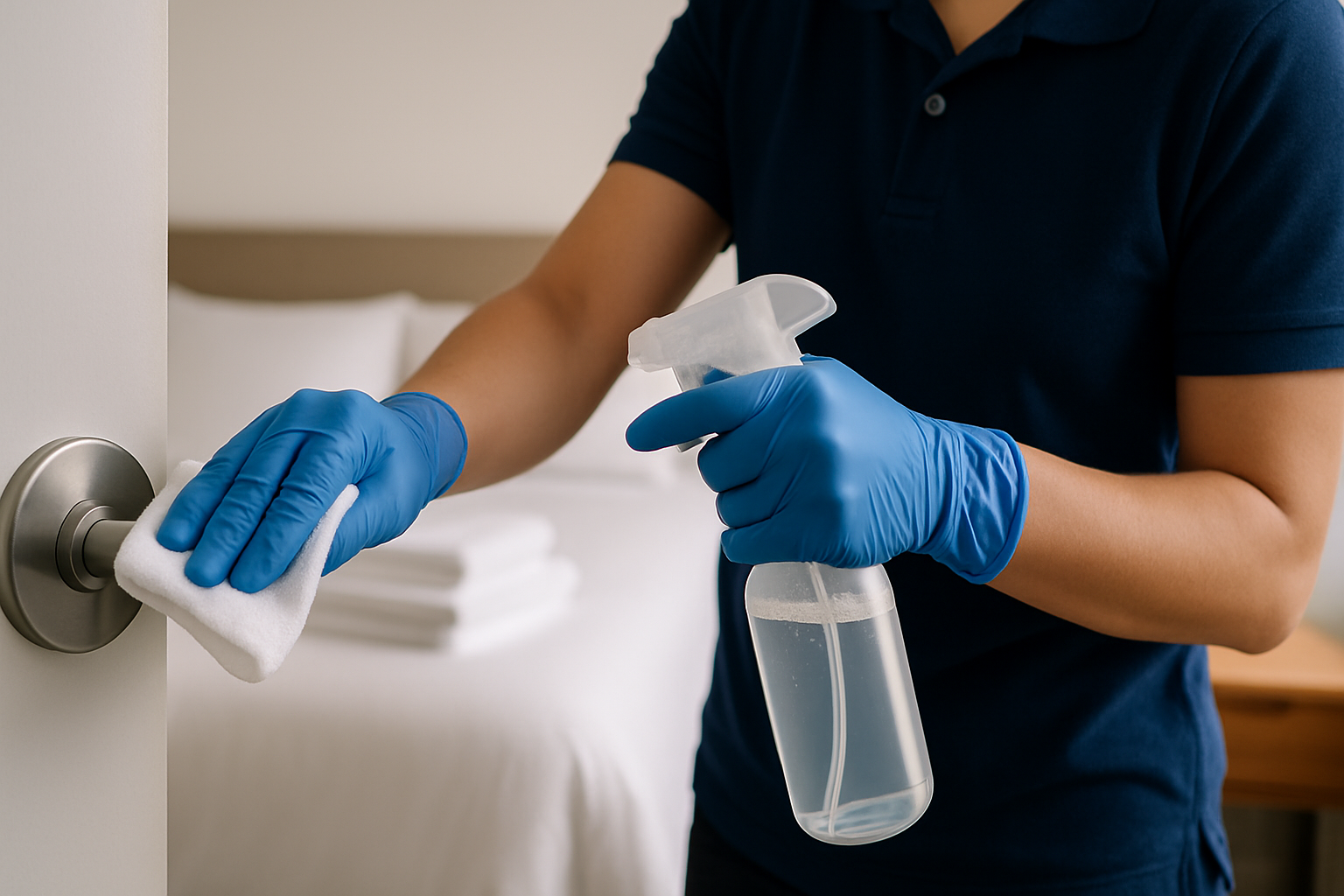
High-touch points shape hygiene and perception. Sanitize remotes, light switches, pulls, thermostat faces, and appliance buttons. Wipe the inside of the microwave and the toaster crumb tray. Clean coffee makers and kettles, including descaling as needed.
Check hidden but telling spaces. Under sinks for leaks, behind toilets for dust and drips, the lip of the shower door for soap scum, the tracks of sliding doors for grit. These are where the unhappy photo in a review often comes from.
Restocking is part of cleaning, not an afterthought. Replace every used item rather than guessing. Paper goods, dishwasher pods, laundry detergent, trash bags, coffee supplies, soap, and shampoo should be consistent across turnovers. Keep a par level in your supply closet and reorder before you run low.
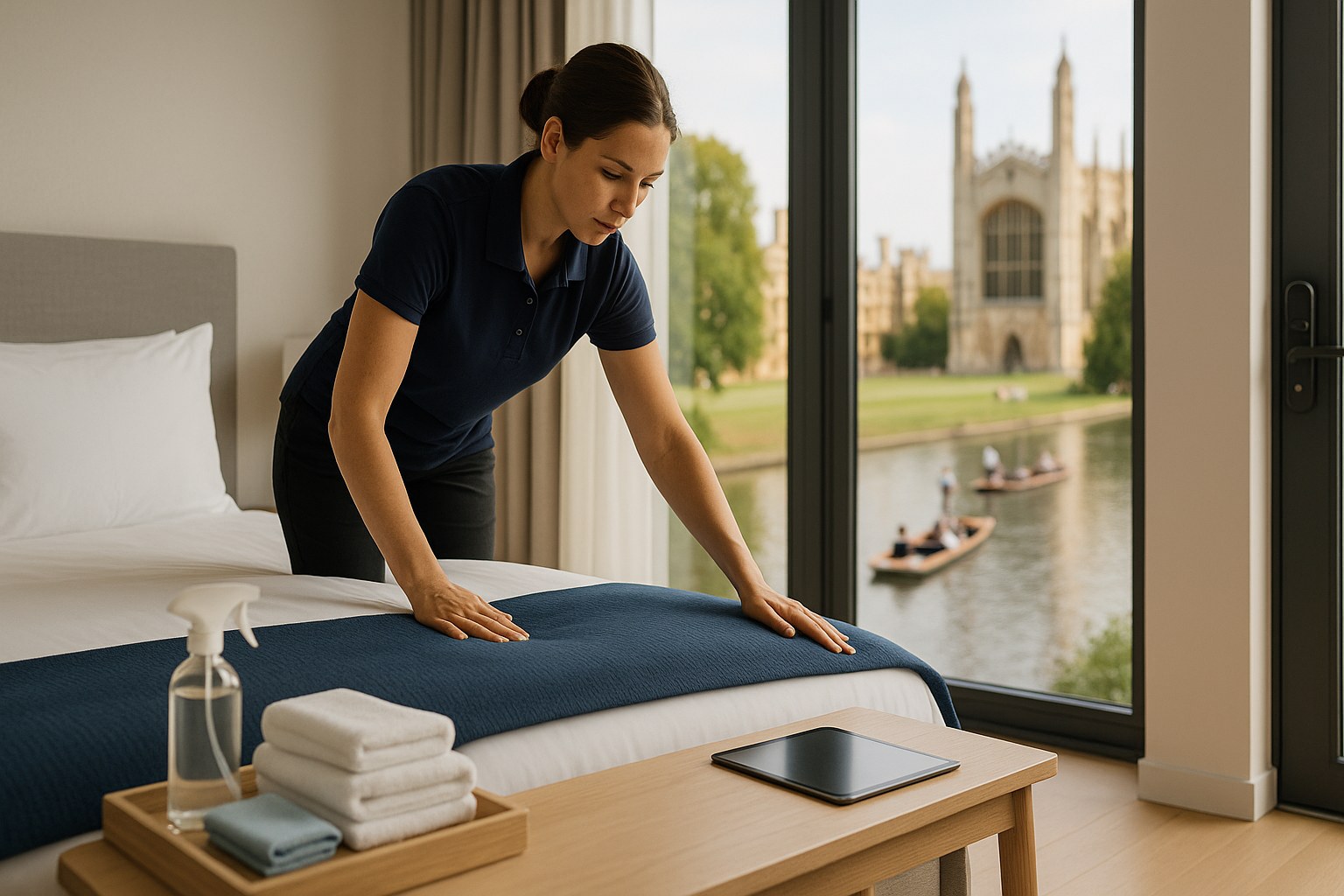
Staging finishes the job. Fluff pillows, square linens, align chairs, and close cabinet doors. Leave the space simple and inviting, not sterile. A neatly folded blanket and a spotless coffee table communicate more than a lengthy welcome note.
Cleaning time doubles as your best preventive maintenance window. You are moving through every room with a critical eye, which is when you notice the small stuff.
Water is the most expensive issue to miss. Look for swelling in baseboards, soft spots in flooring near sinks, and fresh water stains on ceilings. Run showers and flush toilets to check for slow drains and leaks. Lift area rugs to spot spills or pet accidents underneath.
Test smoke and carbon monoxide detectors. Replace batteries on schedule rather than waiting for beeps at 2 a.m. Check HVAC filters monthly during heavy use. Wipe window tracks and sills to spot condensation patterns that hint at humidity problems.
A short, consistent safety sweep prevents both injuries and late-night messages from guests. Leave nothing to chance with stair treads, handrails, loose rugs, and exterior lighting.
Some hosts clean themselves to control quality. Others hire pros to handle speed and scale. Both can work. The decision depends on your time, property size, and the number of same-day turnovers.
If you clean yourself, build a realistic schedule and a back-up plan for illness or emergencies. Invest in commercial-grade tools, from a reliable vacuum to color-coded microfiber cloths that keep bathrooms separate from kitchens. Track how long each turnover actually takes so you can price and plan accurately.
If you hire a cleaning service, write a clear scope of work and walk the team through your standard once, then spot-check. Include your expectations for linens, restocking, high-touch surfaces, and photo documentation. Ask for a consistent crew when possible, or at least a designated lead. Provide a keyless entry code unique to them and change it if staffing changes.
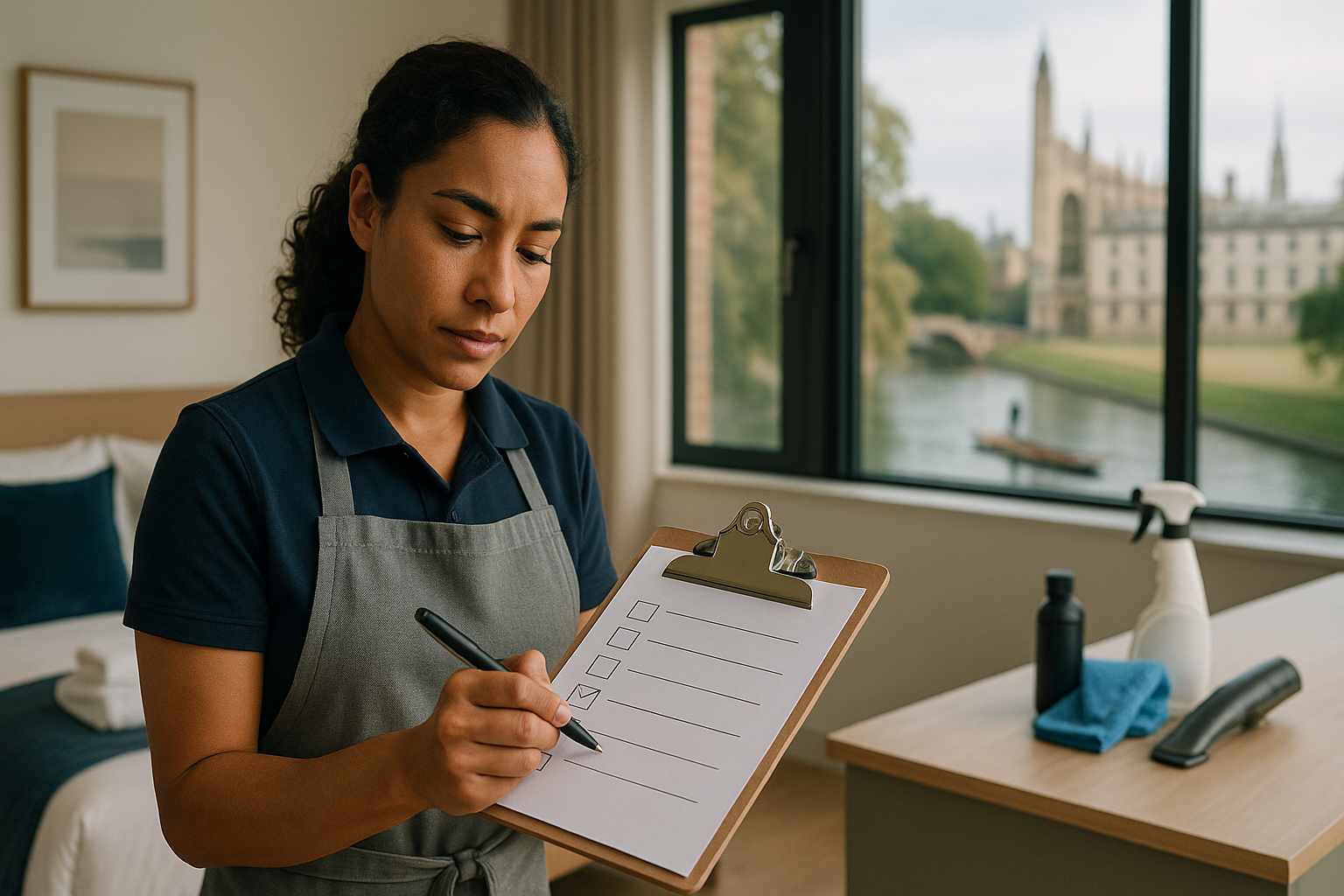
Either approach benefits from an inspection step. A quick, structured walk-through at the end, with a few photos, will catch the hair on the vanity or the missed crumb on a bar stool before your guest does.
Guests often scrutinize cleaning fees. The fairest approach is the one that aligns with your market and your actual costs, and that feels honest.
If your place is small and turnovers are quick, rolling most cleaning costs into the nightly rate can make the total more digestible. For larger places with heavy laundry and multiple bathrooms, a separate fee can be reasonable. What never works is a high fee paired with mediocre results.
Be transparent in your listing description about your cleaning standards and what guests can expect. If you ask guests to do anything at checkout, make it light and clear. Stripping beds or starting the dishwasher is fine. Mopping floors or washing linens is not. The less friction at checkout, the better your final impression.
The pandemic taught guests to look for hygiene cues. They still matter, but what you do is more important than what you claim.
Use effective cleaners, not just heavily scented ones. When disinfecting high-touch areas, follow the contact time on the label. Wipe clean first, then disinfect. Ventilate during and after cleaning to remove fumes and moisture. Wear gloves when handling trash, dirty linens, or strong chemicals, and wash hands between tasks.
Avoid theatrics like leaving out a dozen signs. One concise note that outlines your standards can reassure without overwhelming.
Good documentation supports your operation and your peace of mind. A quick set of photos before and after each turnover creates a record of condition. If a guest claims the oven was dirty at check-in, you have a time-stamped image. If you need to file a damage claim, photos and a short note about what happened help speed resolution.
Keep receipts for replaced items and a simple log of maintenance observations. Small patterns emerge in logs that you might miss in memory, like which bathroom fan is underpowered or which window tends to leak in heavy rain.
Eco-friendly choices can coexist with spotless results. Refillable dispensers reduce plastic waste and look more premium than travel-sized bottles. Concentrated cleaners in measured cartridges save space and money. HEPA vacuums trap fine particles, which helps guests with allergies. Microfiber cloths clean better with less chemical use, and they launder well.
Keep scents subtle. A lightly citrus or linen fragrance can read as fresh, but heavy perfume often triggers complaints. Fresh air and genuine cleanliness beat fragrance every time.
Certain misses show up repeatedly in low-star feedback. Greasy pans put back in the cupboard. Dust along baseboards and under beds. Soap scum on shower glass that fogs with a wipe. Sticky remotes. Food crumbs in couch cushions. Pet hair that clings to throws. Trash cans that smell. These details are not dramatic, but they are memorable in the wrong way.
Another frequent issue is timing. Rushed turnovers lead to wet floors, damp sheets, and incomplete checks. Build time buffers into your schedule. If you allow same-day bookings, have extra linen sets and a tight process so nothing is left to chance.
Finally, avoid overpromising. If you cannot maintain a white sofa with frequent groups, choose a performance fabric in a medium tone. If a wool rug sheds or traps odors, swap it for something washable. Making the home easier to clean is part of cleaning well.
A host launches a one-bedroom unit and handles turnovers personally. Reviews are strong at first, then one guest posts photos of dust on a ceiling fan and hair in the shower. Future bookings slow. The host adds a written checklist, schedules an extra 30 minutes between stays, and starts taking end-of-turnover photos. Reviews rebound, and the star bar for cleanliness returns to full.
Another host manages a three-bedroom near a beach. Sand, sunscreen, and towels overwhelm the laundry routine. Complaints pop up about gritty floors and musty sheets. The host invests in a commercial washer, adds a shake-and-rinse station outside, places a sand mat at the entry, and stocks dark makeup towels. They switch to duvet covers that launder every stay. Within a month, “spotless” returns to the review vocabulary.
Cleanliness rarely becomes someone’s favorite part of hosting, but it might be the most reliable driver of success. It shapes how guests feel, how safe they are, and how often they return. It builds a reputation that marketing cannot buy and damage control cannot quickly fix.
When you treat cleaning as an operating system rather than a chore, it pays you back in smoother turnovers, fewer problems, and better reviews. That is why Airbnb cleaning is important. It is the quiet advantage that turns a good listing into a trusted one.