September 20, 2026
May 5, 2026
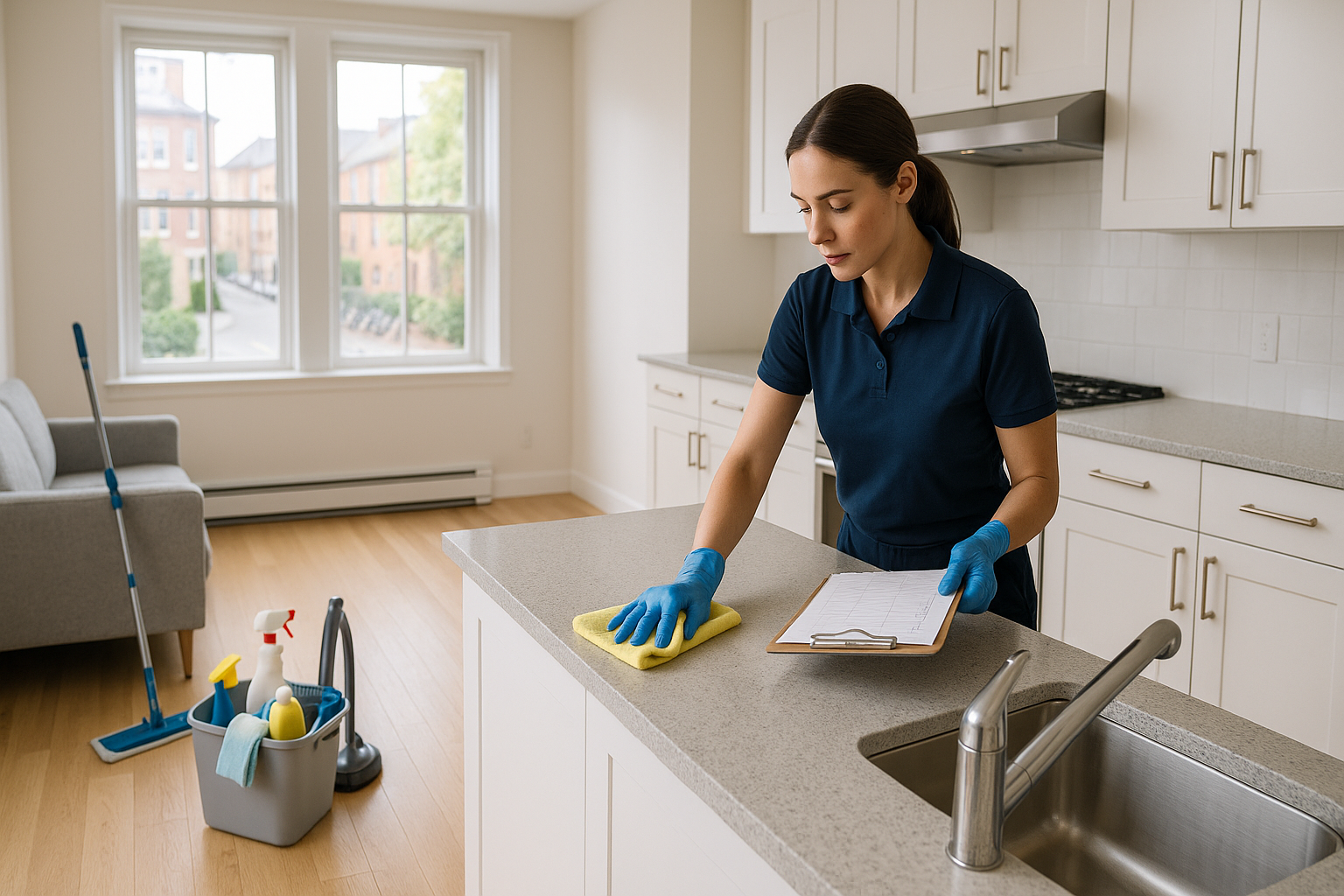
Keys change hands fast in Cambridge. Student tenancies end in waves, letting calendars are tight, and a missed detail can mean a re-clean, a deposit dispute, or a costly void week. A spotless turnover is not just a nicety in this market. It is the difference between a smooth move-in and a scramble at the eleventh hour.
This guide gives you a practical, complete checklist for rental property turnover cleaning in Cambridge. It blends what inventory clerks actually look for with the quirks of local housing. Expect tips for hard water limescale, older sash windows, and high-churn student lets. Use it to plan your timeline, brief your cleaners, or audit a professional service before you hand over the keys.
Cambridge is a high-demand, high-expectation lettings market. Many tenants are academics or professionals who want hotel-level cleanliness at move-in. Others are students on fixed terms who move in bulk, which compresses the cleaning window. Agents have well-drilled inventory processes, and any miss gets flagged quickly.
There are building quirks too. Older terraces and Victorian conversions can harbour condensation mould, flaky paint on skirting, and dirt lodged in original floorboards. The city’s hard water leaves stubborn limescale on taps, shower screens, and kettles. Kitchens see heavy use in student HMOs. All of this elevates the standard you must meet if you want a check-in that passes without comment.
A proper turnover clean protects your deposit position, avoids rework, and sets the tone for the new tenancy. It also creates accurate baseline photos for future comparisons, which saves time when the cycle repeats.
A good clean starts before the tenants leave. Send a friendly move-out note that explains cleaning expectations, bin day timing, and key return steps. If you supply an oven or carpets, remind tenants that a professional clean may be required if it was documented that way at check-in.
Build a short timeline you can reuse. Here is a simple structure that works for most Cambridge turnarounds, especially around June and September peaks:
The order matters. Start with wet areas and appliances so products can dwell while you work elsewhere. Finish with floors once the dust has settled.
Use the following sections as a working checklist. Adapt them to furnished or unfurnished properties, and to HMOs where common areas need special attention.
First impressions often decide whether a clean is deemed acceptable. Begin at the front door. Wipe down the door leaf, letterbox, bell, and handle. Clean the threshold and any step nosings where grime collects. Inside, dust high corners, smoke alarms, and light fittings. Wipe skirting and banisters. Polish glass panels on doors.
In Cambridge’s permit zones, mud and bike scuffs on hallway walls are common. A sugar soap wipe can remove marks. Keep a small pot of matching paint for minor touch-ups, but do not cover damp patches without addressing the cause. Replace worn doormats and make sure name labels on postboxes are current or blank if the unit is vacant.
The kitchen takes the most time and deserves professional-level detail. Degrease from the top down. Start with extractor filters, hood surfaces, and the top of wall units. Clean walls and splashbacks, including grout. For hard water limescale, use a proper descaler on taps, sinks, and kettle elements. Avoid acidic products on natural stone.
Ovens are inspection hotspots. Remove racks and trays, soak them, and treat the interior, door glass, and seals. Pull the oven forward if safe to do so, then clean sides, rear, and the void beneath. Do the same for the fridge and freezer. Defrost fully, clean and dry shelves and seals, and leave doors propped open to prevent odour. Wipe under and behind appliances to remove crumbs and grease.
Check appliances you supply. Clean the dishwasher filter and run a hot cycle with a cleaner. Wipe the washing machine drawer and rubber seal, and run a maintenance wash. Clean the microwave, including the ceiling panel. Polish stainless steel to a streak-free finish. Inside units, remove crumbs, sticky residue, and dust. Finish with floors, moving appliances carefully to clean edges. In student lets, check cutlery drawers and utensil pots, which often hide spills and mould spots.
In Cambridge, limescale builds rapidly and gives bathrooms a tired look if left. Soak showerheads, taps, and screens with descaler, then rinse and polish to clarity. Tackle grout with a stiff brush and a suitable cleaner. Replace mouldy silicone if cleaning will not restore it. Clean behind and around the toilet base, and descale the bowl thoroughly.
Wipe extractor fans, then run them during and after cleaning to clear moisture. Empty and clean vanity units, mirror cabinets, and behind pipes. Leave toilet seats secure and free from chemical residue, and ensure all plugs and chains are present. If you manage multiple bathrooms, label spare parts and keep a set of silicone and sealant on hand so you can fix degraded seals during the turnover.
Start high. Dust ceiling corners, light fittings, and the tops of wardrobes. Wipe curtain poles and spot clean blind slats. In furnished rooms, pull beds away from walls to vacuum edges and skirting. Check under mattresses for lost property, then vacuum and rotate or flip if your inventory allows. Wipe inside wardrobes and drawers, and leave a mild fresh scent by airing the room rather than using strong fragrances.
Marks around desk areas and bedheads are common. Clean gently to avoid paint damage. In student rooms, blue-tack marks need careful removal with citrus-based adhesive remover, followed by a light sugar soap wipe. Never use harsh abrasives on painted emulsions. Collect and label any spare keys found in drawers, then store them securely.
Wipe all horizontal surfaces, including window sills, media units, and radiator tops. Clean sockets and switches lightly with a damp cloth, and remove fingerprints from gloss doors. For sofas and soft furnishings, vacuum thoroughly, remove cushions, and check for crumbs and odours. If there have been pets, use a HEPA vacuum and an enzyme spray to neutralise smells. Steam cleaning is often worth it for check-in confidence.
Fireplaces and stoves require special care. Sweep loose ash and clean glass with appropriate products. Ensure carbon monoxide alarms are present if solid fuel appliances exist. Never dispose of hot ash in bins, and make a note to the inventory clerk if you have removed ash as a courtesy but the tenant is responsible for periodic sweeping.
Clean glass inside and out where safe. Cambridge terraces and upper-storey flats often need a professional for outside panes, especially sash windows. For interiors, use a streak-free glass cleaner and detail the edges and frames. Wipe trickle vents, which collect dust. Clean and lubricate hinges and locks lightly, and check that keys work in all doors and windows. Photograph any cracked panes or blown double glazing before the next tenant arrives.
Vacuum meticulously before wet cleaning. Edges and corners gather the kind of lint that inventory clerks notice. For carpets, a proper hot water extraction often pays off, especially after long tenancies or where pets were present. Pre-treat traffic lanes and spot clean stains first. Leave windows ajar to speed drying.
Hard floors need the right product. Do not use vinegar-based cleaners on sealed wood or stone. Mop tiles with a neutral cleaner, paying attention to grout lines. For vinyl or laminate, avoid soaking. Clean thresholds and expansion joints, and remove paint splatters with a plastic scraper.
A turnover is not a full redecoration, but smart touch-ups protect your next check-out. Remove scuffs with a gentle cleaner. If that fails, use matching paint for small areas. Feathers edges with a mini-roller so the patch blends. Never paint over grease or moisture. Address small nail holes with filler, sand lightly, and repaint.
In older Cambridge stock, watch for condensation spots on external walls and around windows. Clean mould with a fungicidal wash and investigate ventilation before tenants move in. A preventive note in the welcome pack about heating and ventilation use can cut future issues.
Dust and clean all shades, fittings, and bulbs. Replace failed bulbs and test dimmers. Check smoke and carbon monoxide alarms, replacing batteries if required and recording the test date. Wipe sockets and switch plates. Tighten any loose screws on handles and hinges. If your property is supplied with a TV aerial or broadband router, ensure cables are tidy and labelled, and confirm connections are live if services remain active between tenancies.
Smaller appliances often trigger complaints. Clean irons, toasters, and kettles if supplied. Descale kettles thoroughly in hard water areas. Ensure remotes have working batteries. Test heating and hot water, then photograph the boiler pressure gauge. Bleed radiators that feel cold at the top and top up system pressure if trained to do so, or book a heating engineer.
Sweep steps, patios, and balconies. Clear drains and gulleys of leaves. Mow small lawns if provided in the tenancy. Clean outdoor furniture and remove algae with a patio cleaner if slippery. Secure sheds and check keys.
Bins matter in Cambridge, where collections run on strict schedules and contamination gets flagged. Empty and wash bin interiors if dirty. Set them out for the next appropriate collection, and make sure the right items are in the right bin to avoid a missed pickup. If previous tenants left bulky waste, book a council collection or arrange a licensed carrier. Never leave items dumped on the pavement between tenancies.
A clean handover is the moment to confirm compliance items are in order. Check that the latest Gas Safety Record and EICR are on file and still valid. If you supply portable appliances in furnished lets, ensure recent PAT labels are present. Test smoke alarms on every storey and carbon monoxide alarms where fuel-burning appliances exist, then document the tests. For HMOs, check that fire doors close properly and that signage and emergency lighting are in place.
Take and store meter photos for gas, electricity, and water. Share them with the agent or new tenants as part of the check-in pack.
Student properties and HMOs require a slightly different approach. Common areas should be cleaned to the same standard as private rooms, often more frequently. Kitchen extractor hoods and fridge interiors in shared houses take a beating. Label shelves and drawers after cleaning to set expectations for the incoming group.
Furnished lets add upholstery care and inventory count checks. Align cushions, lay out cutlery trays neatly, and group crockery by size. The visual order helps the inventory clerk confirm items quickly. Unfurnished properties put the spotlight on surfaces. Walls, skirting, and floors must be impeccable because there are fewer distractions.
Older buildings with single glazing and sash windows need attention around frames and sills, where dust and moisture collect. Use gentle methods to clean without disturbing paint. Newer flats may have mechanical ventilation with filters that need cleaning. Check and replace those filters if clogged to prevent odours and damp.
Think like an inventory clerk. They work systematically, often clockwise in each room, from ceiling to floor. Mirror that path on your final check. Look at edges, behind doors, and the tops of high furniture. Open every drawer and cupboard. Sit on the sofa and look around at eye level. If something catches your eye, it will catch theirs.
Photos matter. Take clear, well-lit images of kitchens, bathrooms, appliances, and any pre-existing defects. Capture meter readings and the condition of high-value items like ovens and carpets. Keep a short written record of any items that could be mistaken for dirt but are actually wear, such as worn enamel or etched shower glass.
Smell is a pass or fail test. After cleaning, air the property thoroughly. Neutralise cooking or smoke odours with enzyme-based sprays rather than heavy fragrances. If you cannot remove a smell despite cleaning, consider an ozone or thermal fogging service before move-in.
Some jobs are faster and better when specialists do them. End of tenancy cleaners in Cambridge usually offer set packages that include ovens, bathrooms, and internal windows, with optional carpet cleaning and exterior windows. Ask what is included in writing, whether they move appliances safely, and if they guarantee a re-clean if the inventory flags an issue.
For carpets, choose hot water extraction by a trained technician if you want deep results. For the oven, a dedicated oven cleaning service can restore heavy build-up. Window cleaners with reach-and-wash poles can handle upper storeys safely. If your property is on a narrow terrace with parking controls, confirm access and permits ahead of time.
Always check insurance, especially for furnished properties. Ask about products used, particularly on stone worktops and wood floors. Eco-friendly cleaners can work well, but limescale in Cambridge often needs a specialist descaler. Keep receipts to support any deposit deductions if a clean was contractually required.
A tight turnover rewards smart kit. Microfibre cloths and flat mops lift dust quickly. A HEPA vacuum traps fine particles, helpful after builders’ work or pet tenancies. A drill brush set speeds up grout and oven cleaning when used carefully. Use a plastic scraper for paint specks and burnt-on residues without scratching.
Choose products suited to local conditions. A non-scratch cream cleaner handles sinks and enamel. A proper limescale remover cuts through chalk deposits on taps and screens. Enzyme sprays break down organic odours on soft furnishings. Keep white vinegar for glass and general cleaning, but avoid it on natural stone and some seals.
Work in zones and let chemistry help you. Apply descalers and degreasers, then switch rooms while they dwell. Return to rinse and polish. This rhythm reduces scrubbing and saves hours.
Most disputes stem from mismatched expectations. Reduce that risk with clear pre-move-out guidance and a neutral, thorough clean. Document the result with photos and keep invoices for any professional services. If an agent or clerk flags an issue, respond quickly and precisely. Offer to correct specific items rather than redoing an entire property.
Pay attention to bins and exterior areas, which often trigger complaints at check-in. Make sure post is cleared, instructions for appliances are visible, and spare keys are labelled or removed from drawers. A small welcome note with meter readings and Wi-Fi details, if provided, shows care and reduces early maintenance calls.
Imagine a two-bedroom terrace off Mill Road. Keys arrive at 9 a.m. You walk through, note a greasy oven, a scaled shower screen, and a faint curry smell in the lounge. By 9:30, descaler is working on taps and screens, and the oven racks are soaking in a tub. You remove and clean the extractor filters, then wipe the tops of kitchen units while degreaser works on the hob.
Late morning, you rinse and polish the bathroom, re-seal a small patch of mouldy silicone by the bath, and leave the fan running. After lunch, you pull the oven forward, clean behind it, and detail the door glass. The fridge is defrosted and drying with the door open. You move to bedrooms, vacuum under the beds, wipe inside wardrobes, and spot clean wall marks near desks.
By late afternoon, you steam clean the carpets, crack windows for airflow, and sweep the front step. You test alarms and lights, replace two failed bulbs, and photograph meter readings. Before you leave, you sniff for lingering odours, mist the sofa with an enzyme spray, and confirm bin day. At 5 p.m., you close the door on a property that feels fresh, orderly, and ready for the inventory clerk.
Rental property turnover cleaning in Cambridge rewards planning, precision, and local know-how. Work to a clear checklist, use the right products for hard water and older finishes, and think like an inventory clerk on your final pass. Whether you clean in-house or hire specialists, this approach delivers a clean handover, fewer disputes, and happy tenants stepping into a home that feels genuinely ready.