September 20, 2026
April 21, 2026
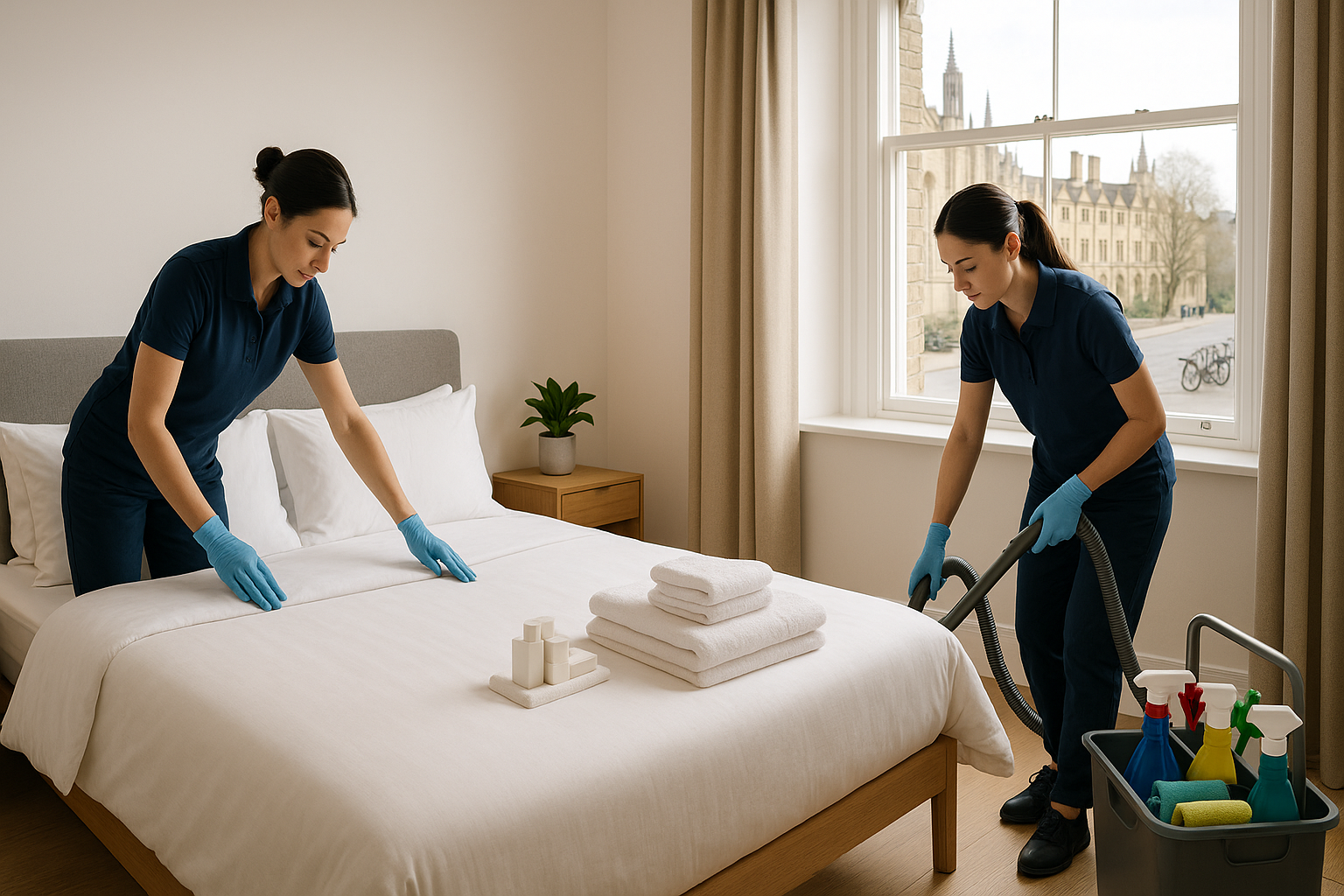
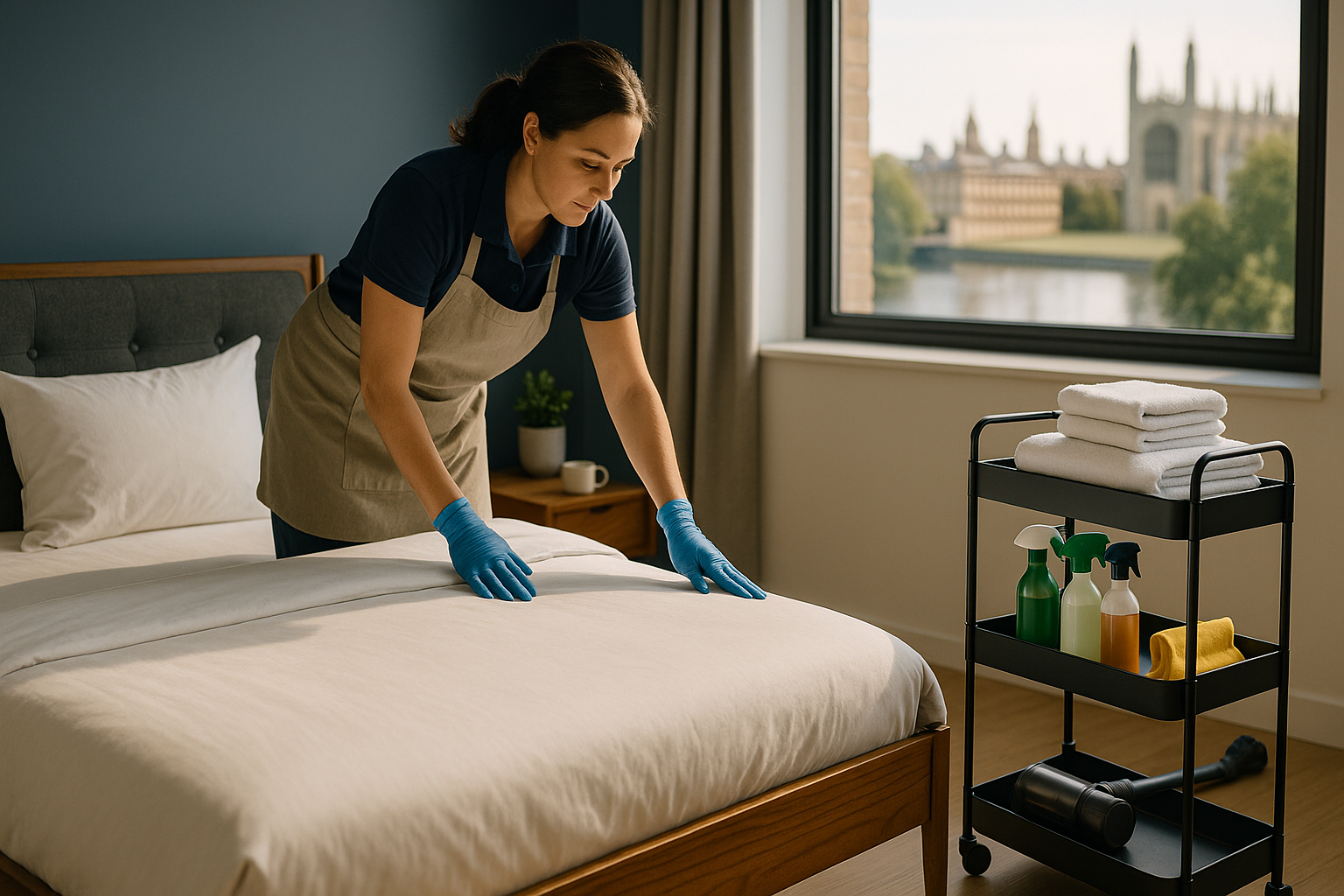
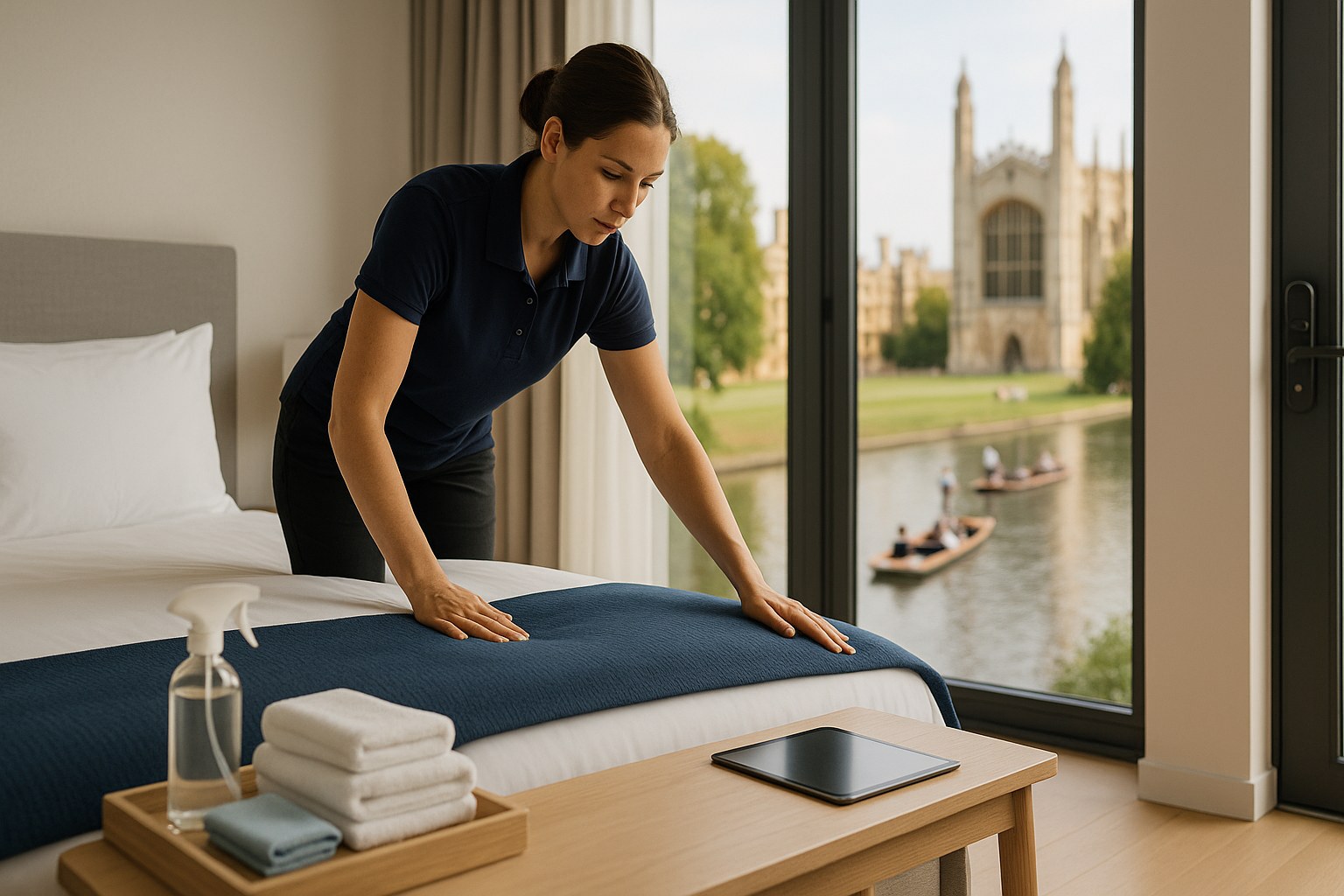
If your checkout is at 10 a.m. and a new guest arrives at 3, those five hours decide your rating, your revenue, and often your sanity. One stray hair on a pillow, one sticky handle on the fridge, and a glowing review turns lukewarm. That is why hosts who run smooth back-to-back bookings rarely rely on ad hoc help. They rely on professional Airbnb cleaners in Cambridge who treat every turnover like a deadline-driven project, not a tidy-up.
Cambridge is a magnet for short stays. Parents visiting the colleges, academics in for a week, tech teams near the Science Park, and summer tourists walking the Backs all keep calendars busy. High demand brings high expectations. This article sets out how to work with professional Airbnb cleaners Cambridge hosts can trust, what a proper turnover includes, how to price and plan, and the small operational tweaks that lead to consistently five-star stays.
Turnover cleaning is closer to hospitality than housework. Guests expect a space to feel unused, staged, and ready now. That requires a team that understands speed, sequencing, and standards.
A good turnover cleaner moves through the property with an order that minimises retracing steps. They launder and remake beds without wrinkled duvets. They reset the kitchen so the first mug a guest grabs is spotless. They restock tea, coffee, and bathroom supplies without you texting reminders. Just as importantly, they notice what a hurried host might miss. A chipped glass, a loose towel hook, a faint pet smell that crept in from the previous booking. Small details drive reviews.
The other difference is documentation. Professional turnover teams photograph rooms after cleaning, capture evidence of damage before it becomes a dispute, and log inventory. That record protects your rating and your margin.
A thorough turnover blends deep cleaning with light staging. The right team handles the following as standard, adapting to the size and quirks of your property.
Start with the kitchen. Bins emptied and lined. Fridge checked for leftovers. Surfaces degreased, including the handle on the oven and the edges of cupboard doors. Glassware held up to the light. Cutlery trays lifted and wiped. Kettle descaled on a schedule. Floors vacuumed and mopped last to avoid footprints.
Move to bathrooms. Products cleared from ledges. Limescale treated on taps and shower screens, which build up quickly in Cambridge’s hard water. Toilet, sink, and bath scrubbed and disinfected, then polished so they gleam. Mirrors streak free. Towels folded consistently. Spare toilet rolls placed where a guest will instinctively look.
Bedrooms set the tone. Fresh linens, mattress protector checked, pillows plumped, throws folded with the pattern aligned. Under-bed dust collected. Bedside switches and sockets wiped, since fingerprints show easily there. Wardrobe hangers counted and aligned so missing ones are obvious after a stay.
Living areas need both clean and composition. Sofas vacuumed down the sides. Cushions fluffed and angled the same way each time, which makes finishing photos fast to review. Coffee table glass polished. Remote controls sanitised and placed in a set position. Lamps tested. If you offer books or games, straighten stacks so the shelf reads as intentional, not cluttered.
Hallways and entryways often decide first impressions. Letterbox swept, doormat shaken, door handle sanitised. If you use a lockbox, the keypad gets wiped. If there is bike storage, check it is clear and tidy.
Outdoors still matters, even for a compact terrace. Remove cigarette ends, wipe outdoor furniture, check the drain cover if heavy rain was forecast. A clean patio invites guests outside, which spreads out how they use the space and keeps the indoors tidier.
Linen and laundry are the silent time sink. Some teams wash on site while they clean. Others bag linens for off-site laundering and bring a fresh set. Stain treatment starts immediately for makeup or wine. Consistency matters more than method. Beds must be made tight and identical every time, so the first impression in photos matches the reality a guest walks into.
Supplies are the finishing layer. Kitchen roll, washing-up liquid, dishwasher tablets, coffee pods if you provide them, and bathroom essentials restocked. A good team leaves a single, discreet cleaning cloth under the sink for guests. They also reset the heating or ventilation to your preferred setting and switch off all non-essential lights.
A short, standard list, shared with your cleaners and updated as you refine your setup, keeps service consistent:
Cambridge attracts tight itineraries. Guests check out early to catch trains. New arrivals want keys by mid-afternoon. Your cleaning partner should be able to handle compressed windows without drama.
Access is the first friction point. If your building allows, use a smart lock with unique codes per booking. It removes key handovers and lets your cleaners lock up without hiding keys. If you must use a lockbox, position it where cleaners can reach it without blocking neighbours.
Work from a shared calendar. Many hosts connect their booking platform to a cleaning app so cleaners see live checkout times and any special notes. If you manage manually, a dedicated Google Calendar works if you stick to it. Send a brief handover message after each checkout with anything unusual. “Two extra towels used, wine spill on sofa reported, guest left late at 10:30” is the level of detail that helps cleaners prioritise.
When bookings line up back-to-back, sequence becomes everything. Experienced teams run laundry first, start bathrooms to let products dwell, then stage living areas while floors dry. They also bring backup linens when the dryer is slow, which is common in older terraces without a vented system. Agree a plan for late checkouts or early arrivals before they happen. A standard message to guests that sets boundaries will protect your team’s time and your rating.
Rates vary by size, lead time, and laundry setup, but Cambridge tends to sit higher than surrounding towns because of labour costs, parking, and demand near the city centre. As a starting guide:
Deep cleans, typically every 6 to 8 weeks for busy properties, run higher. Expect £150 to £300 depending on scope. Carpet or upholstery cleaning is separate and usually scheduled outside the turnover window.
If you provide consumables, costs stay lower but you handle stock. Linen rental adds convenience and predictable presentation, at a price. Many hosts bake the cleaning fee into their stay and list it transparently, which helps set expectations.
Look for a track record with short-term lets. Domestic cleaners can be excellent, but turnovers demand speed, stamina, and a hospitality eye. Ask prospective partners to describe their process for a same-day flip. If they talk sequencing and staging, not just vacuuming and dusting, you are on the right path.
Insurance matters. A legitimate team carries public liability cover, and if they hold your keys they will have keyholder insurance. In the UK, many clients prefer cleaners who have passed a basic DBS check. It is not mandatory, but it builds trust.
Ask about photos and reporting. Teams that document cleans give you proof of standard and a safety net in disputes. They should be comfortable noting and photographing damage, then sharing a short report that you can use with the Airbnb Resolution Centre.
Finally, assess communication. You want quick responses, clear boundaries, and the ability to say no when a request is unrealistic. That honesty prevents last-minute scrambles.
Your linen choice influences cost, storage, and guest experience. Owning your own set keeps fees predictable but requires enough stock to rotate. As a rule, hold three full sets per bed and two per bathroom. One on the bed, one ready to deploy, one being washed. Compact flats can manage this with a locked owner’s cupboard.
Linen rental shifts the work to your provider. They deliver pressed sheets and towels every turnover or on a schedule. Presentation is consistent and stains disappear from your to-do list. It does cost more and relies on reliable logistics, which can be tested during graduation weeks when demand spikes.
A hybrid model works well for many Cambridge hosts. Use a linen service from May to September, when occupancy is high, then wash in-house during quieter months. Whatever you choose, standardise your look. Match towel colours and sheet types so staging photos always align.
Cleaners are your first eyes on the property after each stay. Equip them to protect your interests. Provide a simple inventory list for high-risk items. Count wine glasses, check TV remotes, look at the bottom of lightweight lamps that tip easily. Ask for quick, clear photos of any issue with a one-line summary. “Wine spill on bedroom carpet, treated with stain remover, still faintly visible.” That note lets you act within Airbnb’s short claim window.
For consumables and small ware, assume some attrition and price accordingly. If you notice patterns, adjust. Wine glasses break more often than mugs. Buy extras and keep a hidden stash. Wall hooks in bathrooms often loosen. Keep spare anchors and screws in your owner’s cupboard so a cleaner can fix a wobble in minutes, not report a problem that lingers through multiple stays.
Cambridge runs on an academic pulse. Demand spikes during offer holder days, graduation weeks, May Balls, and the summer tourist season. It also climbs during major events like the Cambridge Folk Festival and the Cambridge Half Marathon. Plan cleaner availability and linen stock around those windows.
During exam terms, midweek business travel can lift occupancy near the Science Park and Biomedical Campus. Winter can be quieter, a good time to schedule deep cleans, grout refreshing, paint touch-ups, and appliance servicing.
Parking is another seasonal factor. Central streets can be congested and controlled. If your cleaners drive, arrange a practical loading plan. If they cycle, provide a secure place for kit. Small logistics fixes save real minutes on every turnover.
Some hosts live nearby and enjoy hands-on management. Others run multiple properties or travel frequently. A hybrid approach often works best. You can handle monthly checks, minor maintenance, or meeting a tradesperson for a boiler service. Your cleaning partner controls same-day flips and keeps presentation consistent.
If you do take an occasional turnover yourself, follow the same checklist your cleaners use. Match their staging photos. Replace what they replace. Consistency is more important than who does the work on a given day.
Treat the first two or three cleans as training. Share a concise property guide with photos that show exactly how beds are dressed, how cushions sit, where spare bulbs live, and what to do with recycling. Outline preferred products, from limescale remover to glass cleaner, and note any surfaces that need special care.
Set up a WhatsApp or Signal thread for quick updates and photos. Ask for after-photos at first, then keep them for spot checks or busy periods. Create a short restock list and show where you store supplies. If you provide welcome touches, such as a small chocolate or a handwritten card, include that in the guide.
Finally, schedule a deep clean early in the relationship. It resets the baseline and gives your team time to pull the oven apart, move the sofa, and address things that never fit into a two-hour window.
You do not need complex software, but a few tools reduce friction. A synced calendar with clear checkout times prevents missed messages. Turnover apps such as Turno or Properly let you attach checklists and photos to each booking. If you use a property management system like Guesty or Hospitable, connect your cleaners so they see bookings automatically.
Smart locks, combined with unique codes for each stay, simplify access for both guests and cleaners. A simple label maker for your owner’s cupboard and cleaning kit saves guesswork. A small stock spreadsheet or shared note stops the last pack of dishwasher tablets from becoming a surprise.
Eco-credentials are not just a line in your listing. Guests do notice. Use concentrated, refillable cleaning products. Provide recycling instructions that match your building’s setup. If you offer coffee pods, choose a recyclable or compostable option and show guests where to place used ones. Microfibre cloths beat disposable wipes for most tasks and reduce waste.
Energy habits count too. Ask cleaners to air rooms briefly, then close windows and set heating to your baseline. Check that chargers and lamps are off. A home that runs efficiently is cheaper to heat and cool, which matters in a city of older buildings with character and quirks.
The most frequent issues are preventable with small systems. Last-minute cancellations from a solo cleaner can wreck a day of back-to-backs. Work with a team that has cover and a shared calendar. Linen shortages snowball quickly. Hold more stock than you think you need and rotate sets so wear stays even.
Access confusion wastes time. Use one method and stick to it. If a lockbox code changes, update it in one source of truth. Parking tickets are an avoidable cost. Share the exact loading spot, any permits, and building entry rules in a single photo message to new cleaners.
Finally, scope creep burns out good teams. Be clear on what a standard turnover includes and what counts as a deep clean. Schedule the latter, charge for it, and protect the two-hour window from ballooning into four.
Picture a checkout at 10 a.m., a two-bedroom terrace near Mill Road, and a 3 p.m. check-in. At 10:05, your cleaner collects linens and starts a wash cycle. While the machine runs, they strip both beds and begin the bathrooms with limescale treatment so products can work while they tackle the kitchen.
By 10:45, bins are emptied, the fridge is clear, and the hob is sparkling. The first bed is remade with a fresh set from your cupboard, cushions placed to match staging photos. At 11:30, the first wash moves to the dryer or a heated rack, and towels go on. The living room is dusted and vacuumed, sofa cushions fluffed, coffee table glass polished.
By 12:30, bathrooms are scrubbed and polished. At 1 p.m., towels are folded and placed, tea and coffee restocked, and the thermostat set to your standard. Floors are mopped on the way out of each room. Final step, a slow walk-through with your checklist. Windows locked, lights correct, photos taken. At 2 p.m., the team leaves a pristine space and you have images on your phone before the next guest messages that they have arrived in Cambridge.
Hosts who invest in a clear process and a reliable team stop firefighting and start scaling. Professional Airbnb cleaners in Cambridge do more than tidy. They deliver speed, consistency, and the quiet confidence that every guest walks into the same crisp, welcoming space. That reliability shows up in reviews, occupancy, and the freedom to step back from the scramble between 10 and 3.