September 20, 2026
June 6, 2026
Hook
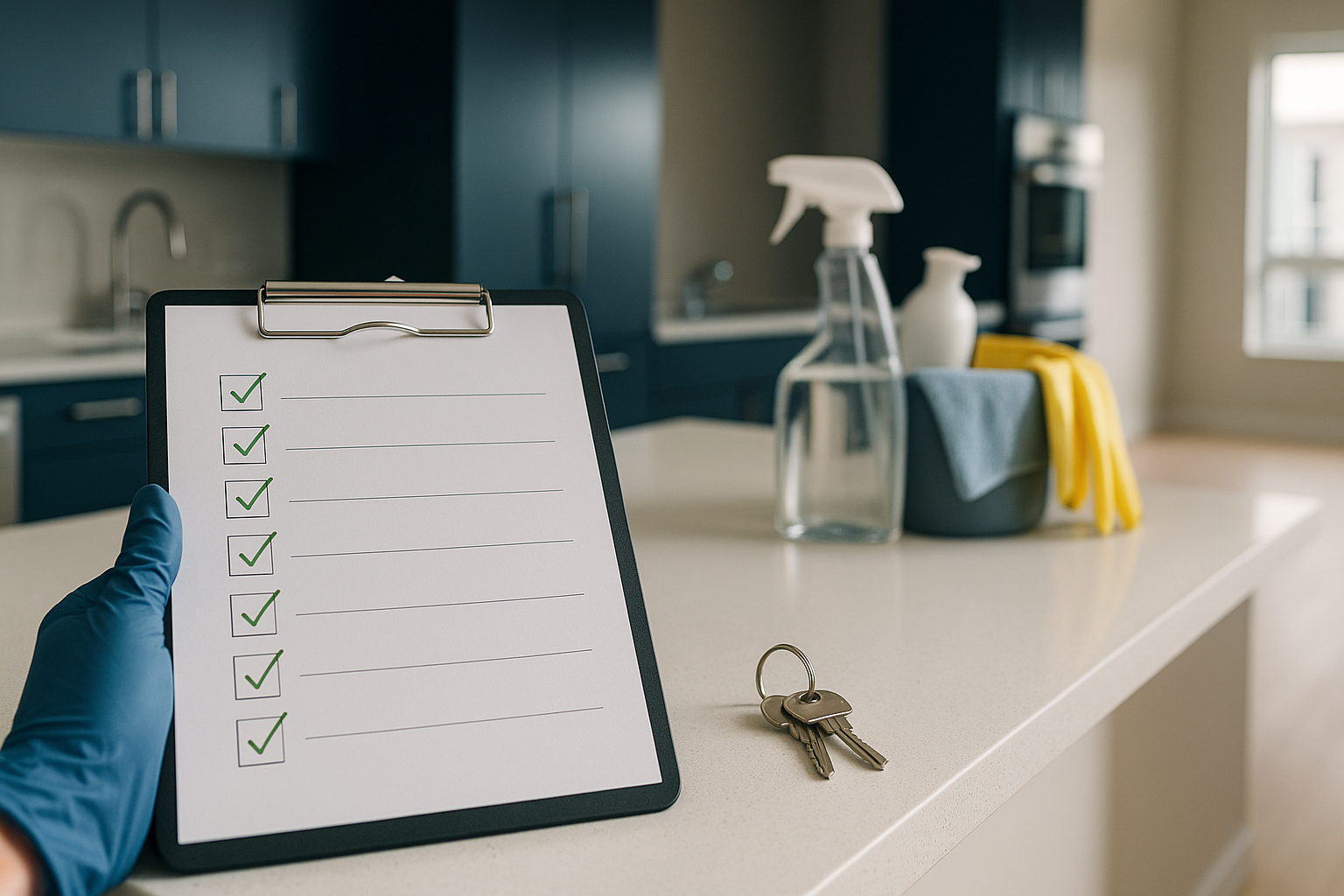
You can scrub and mop until your arms ache, but if you miss the oven door seal or forget to clear the garden, your landlord may still keep part of your deposit. A focused end of tenancy cleaning approach turns last-minute panic into a predictable, refund-friendly result.
Introduction
End of tenancy cleaning is the single task most likely to decide whether you get your full deposit back. Landlords expect the property returned in the same condition as at the start, except for reasonable wear and tear. That expectation translates into a long list of specific cleaning jobs that many tenants overlook under stress. This article gives a practical, room-by-room checklist, timing guidance, product and technique tips, and advice on how to document the property so you leave with minimal dispute and the highest chance of a full refund.
When to start and how to schedule your cleaning
Begin planning your cleaning at least two weeks before your move-out date. If you have a professional cleaner booked, arrange that for the day after the bulk of your belongings have gone, so cleaners can access every surface. If you are doing the job yourself, split tasks between two sessions: a deep clean three to seven days before moving and a final touch-up on the day you hand the keys back. This schedule lets you address stubborn jobs, such as stain removal or appliance cleaning, and still have time to fix any issues that arise.
Estimates for time allocation depend on property size and condition. As a rough guide, allow two to four hours per bedroom, three to five hours for the kitchen, and two to three hours for each bathroom, with extra time for living areas and windows.
Essential tools and supplies
Gathering the right tools prevents interruptions. You will need a heavy-duty vacuum cleaner, microfiber cloths, a non-abrasive scouring pad, mop and bucket, extendable duster, bucket, rubber gloves, and protective glasses. Keep on hand an all-purpose cleaner, glass cleaner, degreaser, oven cleaner suitable for the type of oven you have, descaler for limescale, bleach or mold remover for grout, and a gentle floor cleaner. A steam cleaner is useful for deep carpet and upholstery stains and will often impress inventory inspectors. You do not need professional-grade equipment for every job, but having the right items saves time and delivers visible results.
Room-by-room end of tenancy cleaning checklist
Kitchen
The kitchen is where landlords look first. Clean every surface, starting from top to bottom to avoid re-soiling cleaned areas. Remove and clean extractor filters, degrease splashbacks, and wipe inside and around cupboards. Pull out movable appliances and vacuum behind and beneath them. Check for food debris inside drawers and in appliance crevices.
The oven often causes disagreements. If your tenancy agreement requires a professional oven clean, arrange it. If you clean it yourself, use an oven cleaner that matches your oven type and follow the instructions carefully. Clean all racks, trays, and the door glass until grease is gone. Clean the hob, knobs, and surrounding silicone seals. If the oven has self-cleaning functions, use them according to the manufacturer’s guidance.
Refrigerators and freezers must be emptied, defrosted if needed, and wiped inside with a mild disinfectant. Leave doors slightly open after cleaning to prevent odors. Dispose of food waste responsibly and remove any lingering packaging or crumbs from cupboards.
Bathrooms
Bathrooms show age quickly and are a frequent reason for deposit deductions. Scrub tiles and grout with a descaling cleaner or a paste made from baking soda and water, followed by a diluted vinegar rinse if safe for the materials. Remove limescale from taps, showerheads, and glass screens. Clean and disinfect toilets inside and out, paying attention to the underside of the seat.
Clear soap scum from bathtubs, sinks, and shower trays. If you find black mold, treat it with a suitable mildew remover and ensure the area is well ventilated while the product works. Replace damaged shower curtains and replace or deep-clean shower seals if mold is permanent. Polish mirrors and chrome fittings until streak-free.
Living areas and bedrooms
Dust thoroughly and clean from top to bottom. Dust ceilings, light fittings, skirting boards, picture rails, and door frames. Wipe inside and outside of built-in wardrobes and cupboards, and vacuum shelving. Carpets and rugs should be vacuumed; deep clean carpets where stains are visible or if your tenancy agreement expects professional cleaning on exit. Upholstery should be vacuumed and treated for stains appropriate to the fabric type.
Walls should be inspected for scuffs and marks. Small scuffs often respond to a magic eraser or a damp cloth with mild detergent. Larger holes or patches left from picture hooks may require filling and touch-up paint. Check your tenancy agreement and the original inventory notes to understand whether repainting is required or whether normal wear is acceptable.
Windows, doors, and vents
Clean windows inside and out where accessible, paying attention to frames and sills, which collect dust and grime. Clean window tracks and remove cobwebs from corners. Vacuum or wipe vents and extractor fans. Ensure blinds and curtains are dusted and, where stained, laundered or professionally cleaned.
Walls and floors
Hard floors should be swept and mopped, paying close attention to corners and under radiators. Remove any adhesive residue from floors using a suitable solvent that is safe for the flooring. Linoleum and vinyl respond well to a gentle bleach solution if heavily marked. For wooden floors, avoid excess water; use a wood floor cleaner and buff to finish.
Inspect walls for persistent stains. If cleaning does not restore them, photograph and document their condition. Small holes from nails can be filled easily. If paintwork is badly damaged, replacing or repainting may be justified, but this often attracts negotiation at checkout.
Outside spaces, balconies, and shared areas
Garden areas must be left tidy. Remove weeds, clear broken pots, and dispose of waste. Lawn areas should be mown if that was the norm in the tenancy. Sweep balconies and remove leftover furniture or debris. Shared entranceways and stairwells should be left as you found them, so sweep away any personal rubbish and report communal issues to the landlord or managing agent.
Utility checks, meters, and final admin
On the day you leave, take meter readings and photograph them. Confirm final utility arrangements with the relevant providers and the landlord. Ensure you cancel or transfer services as required. Leave behind any keys, access cards, and parking permits, unless told otherwise. Return all remote controls and instruction manuals for appliances that remain.
Document the condition and protect yourself
Photographic evidence prevents disputes. Take time-stamped photos and short videos of every room, including close-ups of potentially contentious areas such as oven interiors, carpets, and any damage. Take these images immediately after cleaning and keep copies with receipts for any professional services or purchased cleaning supplies. If you hired a cleaner, obtain an itemised receipt that states the property address and date of service.
What counts as fair wear and tear
Most disputes arise from a misunderstanding about what constitutes fair wear and tear. Minor carpet fading, small scuffs on walls, and minor wear on door handles are usually considered normal. Significant stains, burns, holes, and persistent pet odors are typically regarded as damage. Review your inventory and move-in report before vacating. If the property had an existing issue that was recorded at move-in, photograph that evidence to avoid being charged for it later.
When to hire professional cleaners
Professional end of tenancy cleaning services make sense when you lack time, the property is large, or the tenancy agreement requires a certificate on exit. Professionals bring industrial-grade tools and a systematic approach that speeds up oven, carpet, and window cleaning. Costs vary with property size and region, but hiring professionals often works out as an investment against the risk of losing part of your deposit. If you plan to claim the cost back from the landlord, keep an invoice and photograph the cleaned areas immediately after the service.
Dealing with carpets and upholstery
Carpet cleaning often features in tenancy agreements. If there is a clause requiring professional carpet cleaning, book a company that provides a receipt and an assurance that the carpets have been treated for stains and odors. For DIY treatments, spot-test cleaners before applying them widely. For stubborn stains such as red wine or oil, treat quickly with an appropriate solvent, blot rather than rub, and consider renting a carpet cleaner for a deeper removal. Always allow carpets to dry completely before leaving the property to prevent mould.
Stain removal strategies and product safety
Different stains require different approaches. Protein stains such as blood need cold water and enzymatic cleaners. Grease and oil respond to degreasers and gentle steam cleaning. Dye stains may need specialist solvents. Avoid mixing household chemicals, especially bleach and ammonia, which create toxic gases. Use gloves and ventilation, and read manufacturer instructions for both cleaning products and the items you are treating.
Common deductions to avoid
Landlords commonly deduct for the following: unclean ovens, stained carpets, blocked drains caused by improper waste disposal, rubbish left behind, missing or damaged keys, and repairs for deliberate damage. Avoid these by following the checklist, removing garbage to a licensed disposal facility if needed, and returning all keys and documents.
Handling disputes after checkout
If you believe deductions are unfair, contest them promptly. Present your photographic evidence, receipts, and the original inventory. If your deposit is protected in a government-backed scheme, use the scheme’s dispute resolution service. Remain calm and factual when corresponding with your landlord or agent, and ask for an itemised deduction list.
Realistic timeline example
Two weeks before moving: Begin decluttering, repair small damages, and book any required professional services such as a carpet clean or oven specialist.
One week before: Complete deep cleaning tasks that need drying time, such as carpets and any painted repairs. Defrost the freezer.
Moving day: Remove the last items, perform a final sweep, take time-stamped photos, read meters, and return keys.
Day after move: If you hired cleaners, this is the ideal time for them to work, so they can reach areas previously blocked by furniture.
Final tips that make a measurable difference
Clean top to bottom to avoid re-soiling areas. Work in daylight so you do not miss marks. Keep a small toolkit for filling holes and tightening loose fittings. Use sealable bags for leftover rubbish and photograph disposal receipts if you remove large items. When in doubt about whether to pay for a professional clean, weigh the cost against the deposit amount you risk losing.
Conclusion
A methodical approach to end of tenancy cleaning eliminates surprises at checkout. Start early, follow the room-by-room checklist, document everything, and choose professional help when the tenancy agreement requires it or time is short. With careful cleaning and evidence in hand, you increase the likelihood of getting your deposit back and leaving on good terms with your landlord.