September 20, 2026
June 13, 2026
Hook Your carpet hides a history of dinners, pets, tracked-in dirt, and the occasional red wine disaster, but it also holds the largest surface of fabric in your home. Choosing the right carpet cleaning service can restore color, remove allergens, and extend the life of that surface, or it can leave you with sticky residue, faded fibers, and buyer regret.
Introduction When you type carpet cleaning service into a search bar, you see hundreds of options that promise fast results and low prices. The real decision is not about the flashiest ad. It is about matching the right method, credentials, and expectations to your carpet type, household needs, and budget. This article explains how to evaluate local cleaners so you hire someone who does the job correctly, protects your investment, and delivers a tidy outcome you will notice day after day.
How to Choose the Best Local Carpet Cleaning Service Start by defining what you need. Does the carpet have visible stains and pet odor, is it high-traffic and flattened, or do you want routine maintenance? If you have delicate fibers such as wool or a natural fiber rug, you need a technician who knows specialized care. If someone in your household has allergies, you need methods and products that reduce allergens without leaving residues. Clarifying your priorities up front will guide every other choice.
Understand the common cleaning methods Carpet cleaning is not one-size-fits-all. Different methods suit different situations, and knowing the basics keeps you from selecting a service that damages fibers or leaves unsatisfactory results.
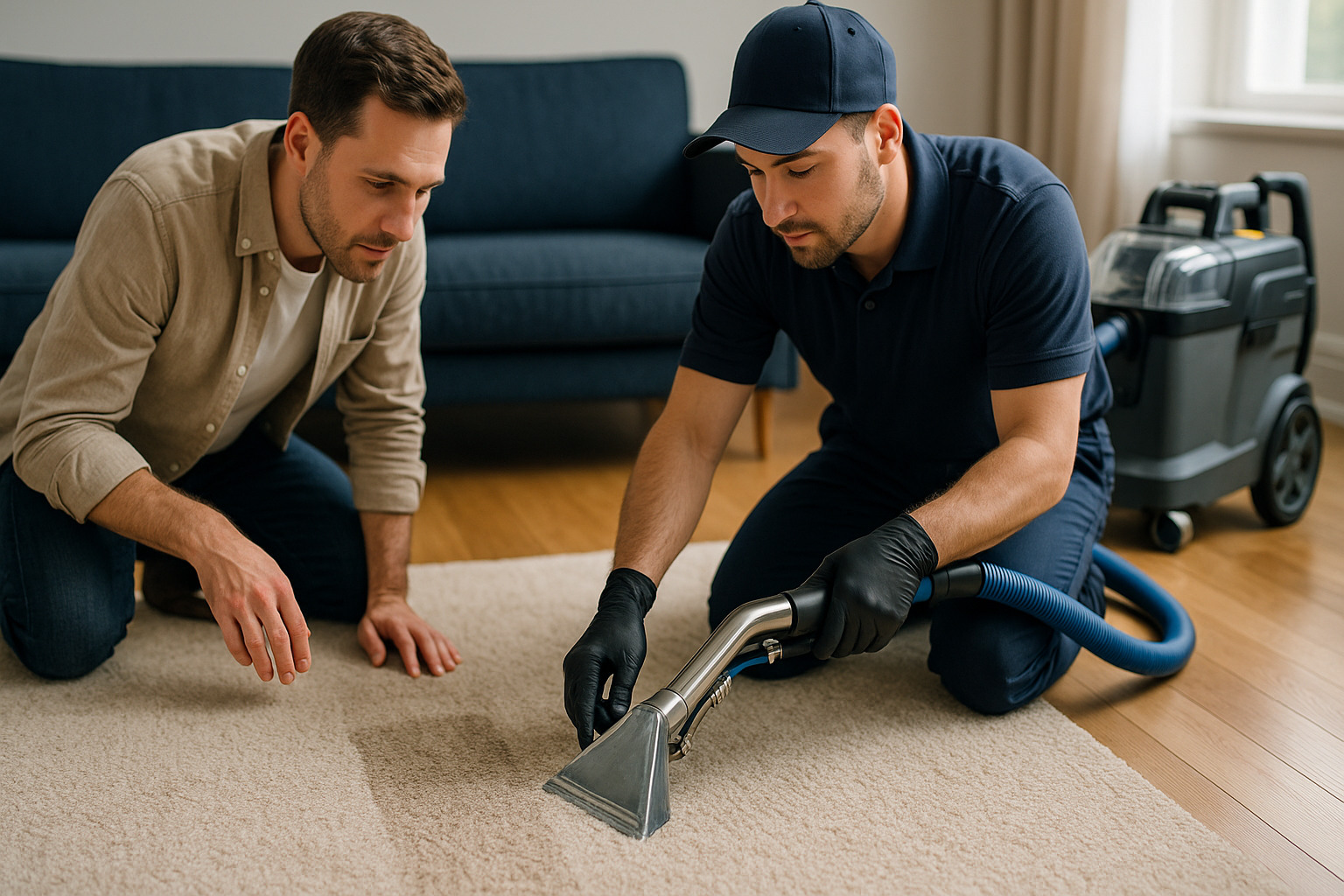
Hot water extraction, often called steam cleaning, forces heated water and cleaning solution into the carpet and then extracts it. It works well for deep-soil removal and for restoring pile. Proper extraction leaves little residue and dries in a few hours when performed with professional equipment.
Low-moisture and dry methods use minimal water or specialized encapsulating chemicals that crystallize dirt for vacuum removal. These can be faster, useful for commercial spaces, and less risky for wooden subfloors, but some products can leave residues if applied excessively.
Bonnet cleaning uses a rotary machine with a cleaning pad. It cleans the top fiber and helps maintain appearance, but it does not remove deep soil. Shampooing, once common, has fallen out of favor because older shampoos can leave sticky residues that re-attract dirt. When you speak with a carpet cleaner, ask which method they recommend and why, and request an explanation of the drying time and any residues to be expected.
Check credentials, training, and insurance A reputable carpet cleaning service will be able to describe technician training and will carry liability insurance and bonding. Certifications from industry organizations show commitment to standards. Look for technicians certified by recognized trade bodies. Ask whether the company runs background checks on employees if you prefer someone trustworthy in your home.
Insurance matters. Accidents happen: equipment can leak, a technician can trip and cause injury, or an electrical short could start a fire. A company that carries general liability insurance and workers compensation shields you from financial exposure. Ask, and request proof if you want peace of mind.
Evaluate experience with your carpet type and problem Different fibers and constructions need different care. Nylon and polyester often react well to hot water extraction. Wool demands gentle detergents and lower pH solutions. Older or antique rugs require hand cleaning. When you call, describe your carpet type, the age, known stains, and whether padding is original. A skilled cleaner will ask these questions and may request photos before offering a precise estimate.
Check references and local reputation Local reputation matters more than slick advertising. Ask friends and neighbors for recommendations, and read recent online reviews with an eye for specifics. Reviews that describe the technician arriving on time, explaining the process, and addressing warranty questions are more useful than generic five-star ratings. If the company lists commercial clients, that shows capacity, but residential experience is not the same as commercial work. Request references for jobs similar to yours.
Ask the right questions during the initial call A short phone conversation can reveal a lot. Ask what method they plan to use and why. Ask about drying time and how long you should keep children and pets off the carpet. Request a description of the cleaning solution ingredients if someone in your home has sensitivities. Ask whether they move light furniture or if there is an extra fee. Confirm whether the price is by the room, by the square foot, or a flat rate and whether it includes stain treatment.
Don’t accept vague promises. If a cleaner claims they can remove every stain, that is unrealistic. A trustworthy technician will set realistic expectations, explaining which stains are likely permanent and which respond well to treatment.
Compare estimates intelligently Price matters, but the lowest estimate is not necessarily the best value. Look at what each estimate includes. Does it cover pre-inspection, spot treatment, a post-clean vacuum, and a satisfaction guarantee? Does it include moving furniture or treating stairs? Ask for a written estimate that breaks these items down. When comparing numbers, convert all charges to a per-square-foot basis if possible, and note any minimum service charges.
Be cautious about very low prices offered as a loss leader. Some companies advertise a cheap rate for the first room and then upcharge for additional services or apply heavy upcharges for spots and odor control. Transparent companies provide clear pricing up front.
Watch for red flags There are a few behavior patterns that indicate a cleaner may not be trustworthy. If the technician avoids answering questions about methods or equipment, walks around during an initial inspection, or insists on cash-only payment without providing a receipt, consider that a warning. Likewise, if a company guarantees that they can remove any stain or promises unbelievably fast dry times without explaining the process, ask for clarification.
A related warning sign is pressure to buy add-on services before you have seen the results. A reputable cleaner will complete a standard cleaning and then recommend additional treatments only if necessary.
Ask about chemicals and environmental considerations Cleaning solutions vary from eco-friendly enzymes to synthetic detergents. If you have children, pets, or chemical sensitivities, mention that when you call. Enzyme-based cleaners can be very effective against organic stains such as food, urine, and blood, while oxygen-based oxidizers often help with discoloration. Avoid companies that spray unknown fragrances into the carpet before cleaning, as those can obscure odors rather than remove their source.
If sustainability matters to you, ask about water usage, whether the company recycles wastewater in commercial jobs, and whether they use low-VOC products. Some cleaners now offer plant-based or biodegradable solutions which can perform well for routine cleaning.
Understand stain removal limits and guarantees Not all stains respond the same way. Dye transfers, bleach spots, and old ink stains can be permanent. A good cleaner will test an inconspicuous area for colorfastness before applying solvents. Ask about guarantees: do they offer a re-clean if you are not satisfied, and is there an additional charge? A more skilled company may offer a short-term satisfaction guarantee to correct any issues arising shortly after cleaning.
Plan the service day and prepare your home To get the best result, do a little prep. Remove breakable items from the floors, lift small lightweight furniture, and vacuum high-traffic areas if instructed. If you have a pet, secure the animal in another room or outside. Confirm on arrival whether the technicians will move larger furniture and whether they protect baseboards and walls.
Expect technicians to do a pre-inspection and a walk-through after the job. They should point out treated spots, explain any discoloration that may remain, and advise about drying time. If they do not perform a walk-through, ask for one before they leave.
What to expect after cleaning Drying times vary by method and weather. Hot water extraction usually leaves carpets damp for a few hours to a day in humid climates, and faster in drier conditions. Keep foot traffic to a minimum until carpets feel dry. You may notice a milky residue if the cleaner used too much detergent or if no proper rinsing occurred. If that happens, call the company and request a follow-up rinse and extraction.
Monitor cleaned areas over the next week for reappearing stains or a rapid return of dirt, which indicates residue left behind. If odors persist after a thorough cleaning, the source may be beneath the pad or in the HVAC system; a knowledgeable cleaner should advise whether a deeper approach is necessary.
Maintenance tips to extend results A professional deep clean will do most of the heavy lifting, but routine care preserves the effect. Vacuum at least once a week in busy areas and twice a week where pets or children are active. Use a vacuum with strong suction and a rotating brush appropriate for your pile. Address spills immediately by blotting with a clean cloth, applying plain water or a manufacturer-recommended spotter, and calling a professional if the stain resists home treatment. Consider placing rugs at entry points and enforcing a no-shoes policy in the most trafficked rooms.
When to call a specialty cleaner Some problems require more than standard cleaning. Persistent pet odor after multiple cleanings suggests contamination of the padding, which then needs replacement. Set-in grease, old nicotine staining, or severe water damage often needs specialized treatment. If you encounter these situations, ask the cleaner whether they handle such cases or will refer you to a specialist.
Final decision checklist Before you hire, confirm these essentials: a clear written estimate, the method to be used, proof of insurance, references or recent local reviews, expected drying time, an explanation of guarantees, and clear post-service instructions. If the company meets these standards and communicates clearly, you are likely to receive professional, reliable service.
Conclusion Choosing a local carpet cleaning service requires more than picking the cheapest ad or the fastest appointment. Match the cleaner to your carpet type, your household needs, and the level of soil you face. Ask specific questions about methods, training, and guarantees. Inspect references, compare transparent estimates, and expect clear communication before and after the job. With a careful selection, your carpet will look better, last longer, and return a small but steady daily benefit to the comfort and cleanliness of your home.