April 9, 2026
April 10, 2026
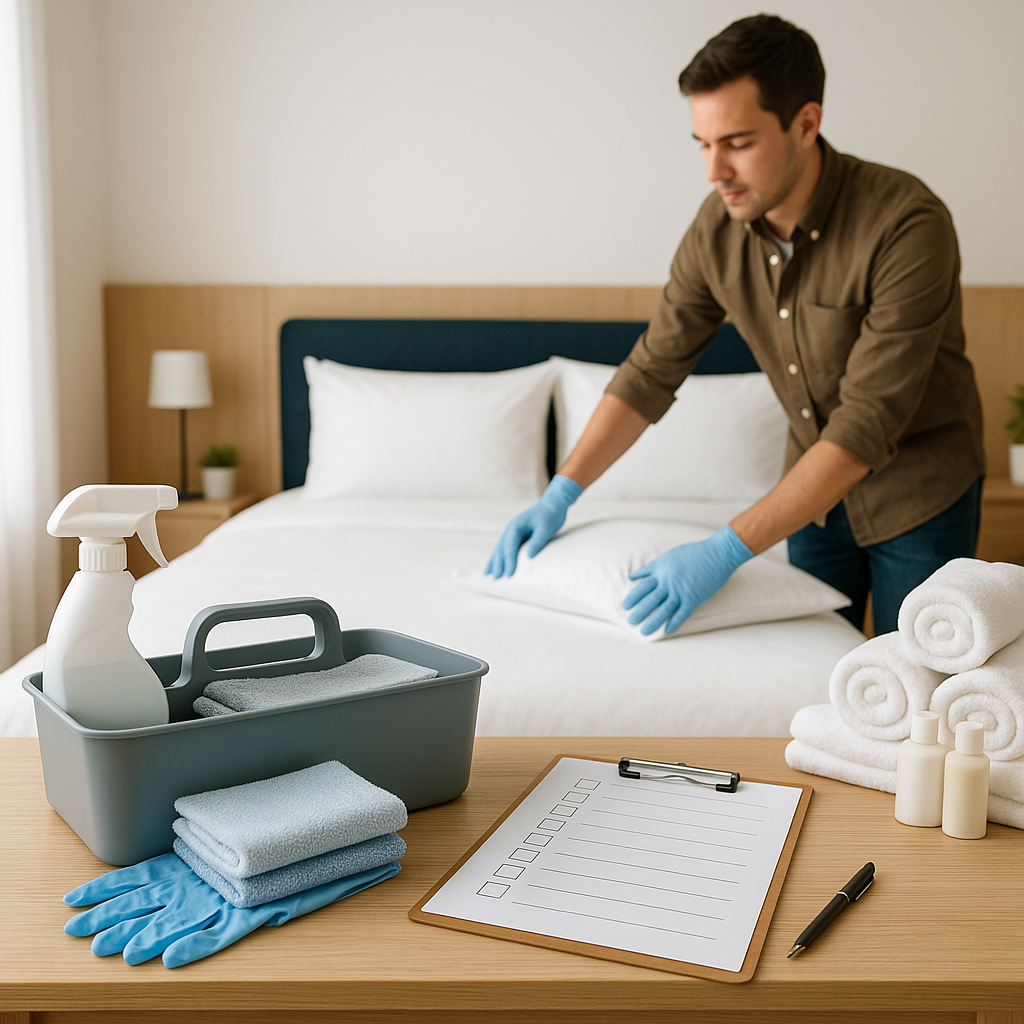
Guests judge a place long before they find the coffee pods. A stray hair in the shower, a sticky remote, a faint smell of mildew under the sink. Small misses turn into low-star reviews, and low-star reviews turn into lost bookings. Meeting Airbnb cleaning standards is not just about tidiness. It is about trust, safety, and the reputation that carries your listing through slow seasons.
This guide translates expectations into a practical, detailed checklist you can run after every checkout. It covers the routine turnover, the deep-clean cadence, how to organize supplies, and how to communicate confidently with guests about cleanliness. Use it to set a consistent bar and to scale without losing control of quality.
Cleanliness sits at the top of what guests care about, often surpassing location and style once they arrive. A sparkling space calms travel stress and signals that the rest of the stay is handled. It also protects you financially. Many support claims hinge on evidence that a place was not cleaned properly. Clean equals fewer complaints, fewer refunds, and stronger ratings that lift search placement over time. For repeat stays and longer bookings, consistent standards build brand memory, not just one-off satisfaction.
Airbnb expects hosts to maintain a high level of cleanliness on every stay and to follow local health guidance. Think of the process as five simple steps that create a reliable rhythm.
Prepare. Ventilate rooms, gather supplies, put on gloves, and remove trash and linens so you start with a clear workspace.
Clean. Remove dust, dirt, and debris using friction and detergent. Cleaning always comes before disinfecting because dirt blocks disinfectants from reaching surfaces.
Sanitize and disinfect where needed. Apply an appropriate product to high-touch areas like switches, remotes, handles, faucet levers, appliance buttons, toilet flushers, and railings. Respect dwell times on the label. Kitchens need food-safe products on prep surfaces.
Check. Walk the space in a set order. Look low, look high, then stand in the doorway for a final scan. Touch what guests will touch. Light a candle only to test airflow and odor control, not to mask smells.
Reset. Rebuild the space exactly the same way each time. Consistent linen folds, inventory placement, and staging reduce guest confusion and make your own inspections faster.
This approach aligns with airbnb cleaning standards and keeps you focused on actions that prevent most complaints.
Treat every turnover like a small production. Start by opening windows if weather allows, running bathroom fans, and emptying all trash so odors do not linger. Work from cleanest to dirtiest areas and from top to bottom so dust does not fall on areas you already finished.
Curb appeal sets the tone before a guest unlocks the door. Sweep or hose walkways, steps, and porches. Shake out doormats, then sanitize the lock keypad, doorknob, doorbell, railing, and intercom buttons. Check lightbulbs at the entry and replace if flickering. Remove cobwebs around eaves and corners. If you provide a lockbox, clear grit from the code buttons and check that it closes easily.
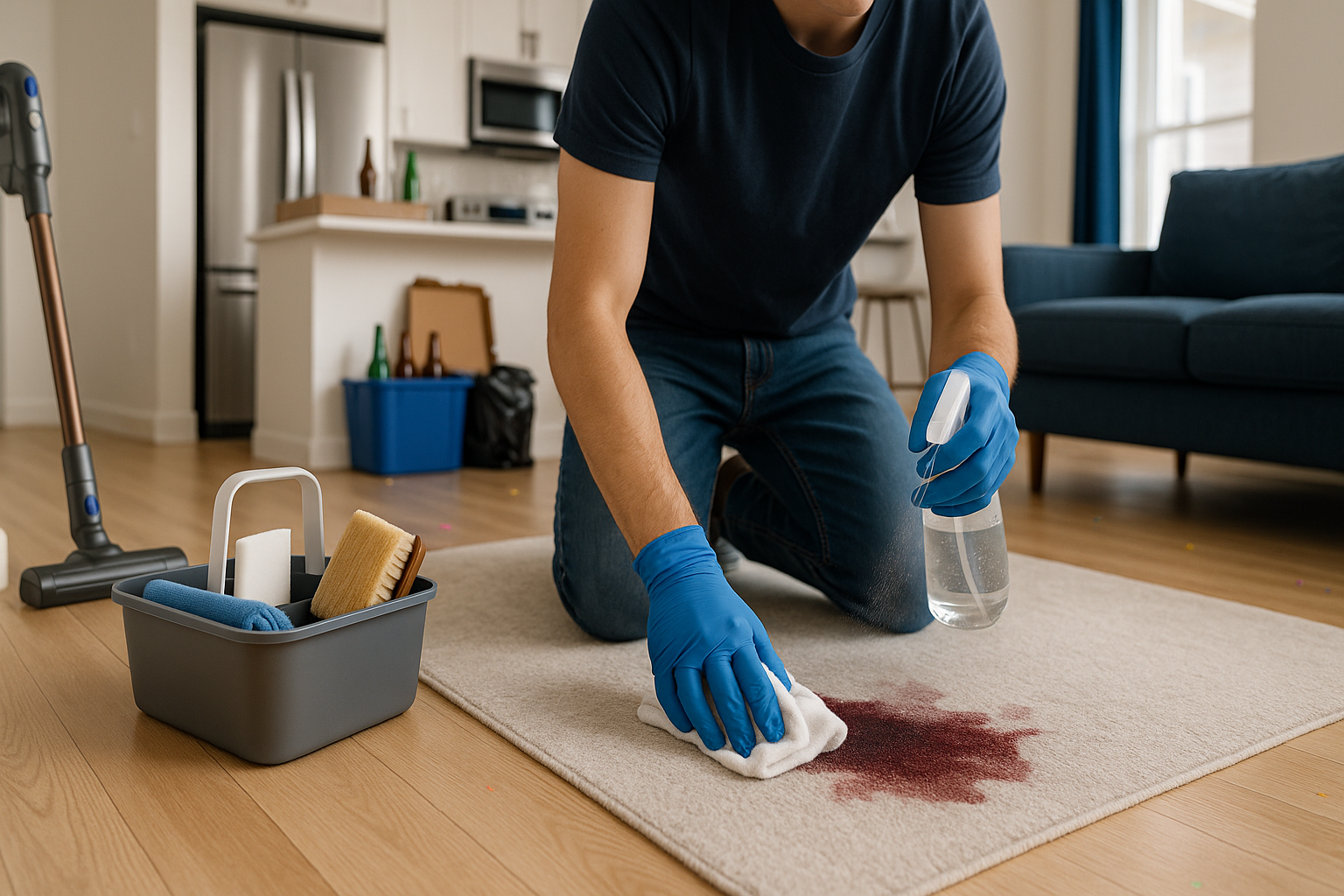
Dust high to low, starting with ceiling corners and vents, then light fixtures, wall art, and shelves. Wipe baseboards last. Use a microfiber cloth slightly dampened with all-purpose cleaner to pick up dust instead of spreading it. Clean the TV screen with a screen-safe product. Sanitize remotes, thermostat controls, window latches, and pulls. Fluff cushions and check under and between them for debris. Vacuum upholstery with a brush attachment, especially on fabric arms and seams that collect oils. Steam mop or vacuum floors with a HEPA filter and finish with a suitable floor cleaner. If you have rugs, roll edges to vacuum underneath. Stage board games and books neatly, then check that nothing sticky is left behind.
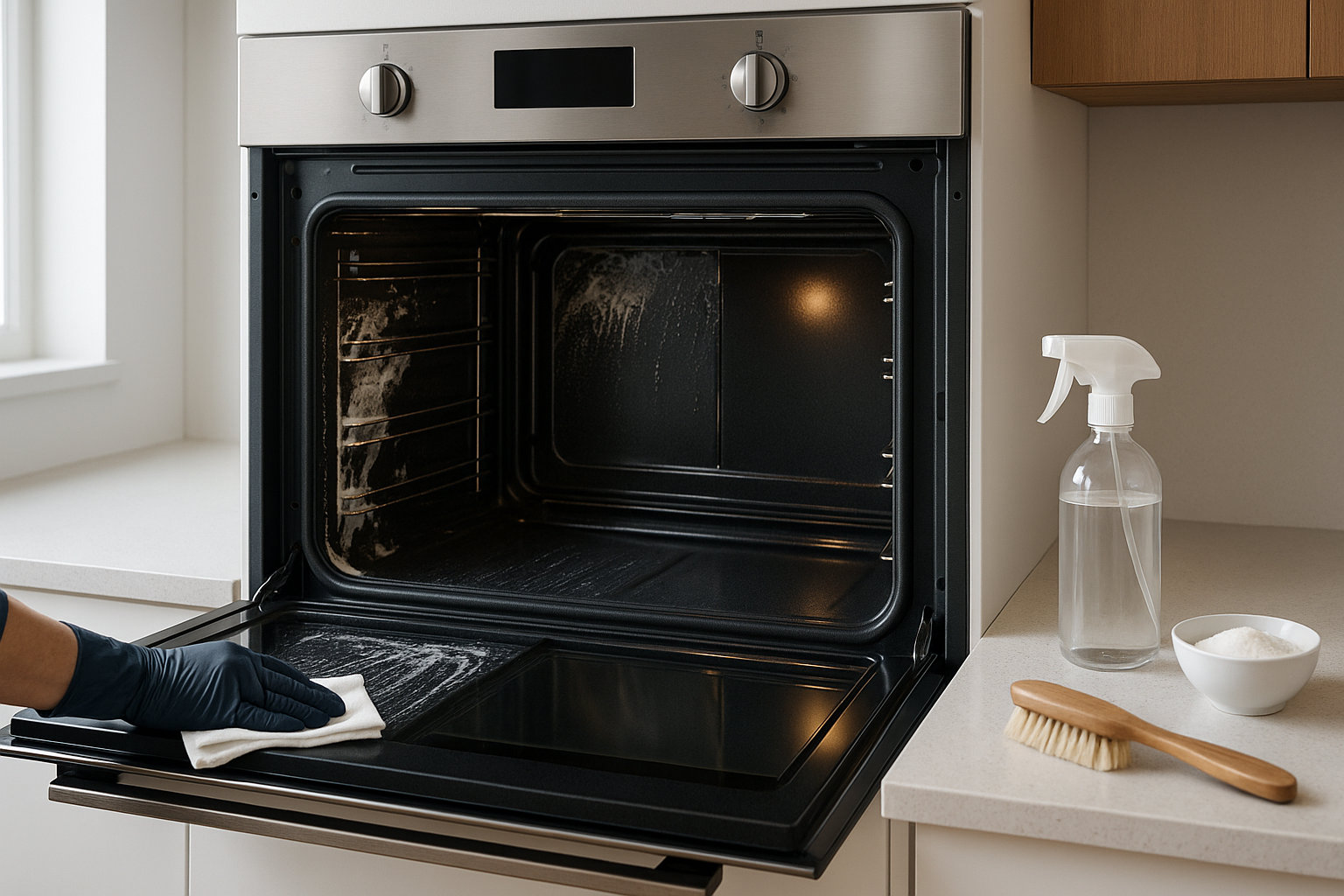
This is where guests are most unforgiving. Empty the fridge and freezer completely. Wipe shelves, bins, and door gaskets, then dry so items do not slide. Check the oven and stovetop. Remove burners and drip pans if possible and soak them. Degrease hoods and filters. Wipe the microwave inside, including the ceiling and the roller ring. Run the dishwasher on a cleaning cycle when needed and clear the filter of food bits. Scrub and sanitize the sink, faucet, and disposal splash guard using a brush that reaches under the gasket. Pull out the toaster tray to empty crumbs. Wipe small appliances, cords, and counter outlets. Sanitize handles for fridge, oven, and cabinets.
Food-contact surfaces get a food-safe sanitizer. Respect contact times. Dry with a clean towel, not a rag that touched the floor. Wash and inventory dishes and cookware. Stack in consistent order so a missing item is obvious during inspection. Sweep and mop the floor last.
Strip beds into a laundry bag outside the room to avoid spreading debris. Inspect mattresses for stains and encase them with protectors if you have not already. Vacuum mattress tops and sides if needed, then rotate seasonally to even out wear. Wipe bed frames and slats where dust gathers.
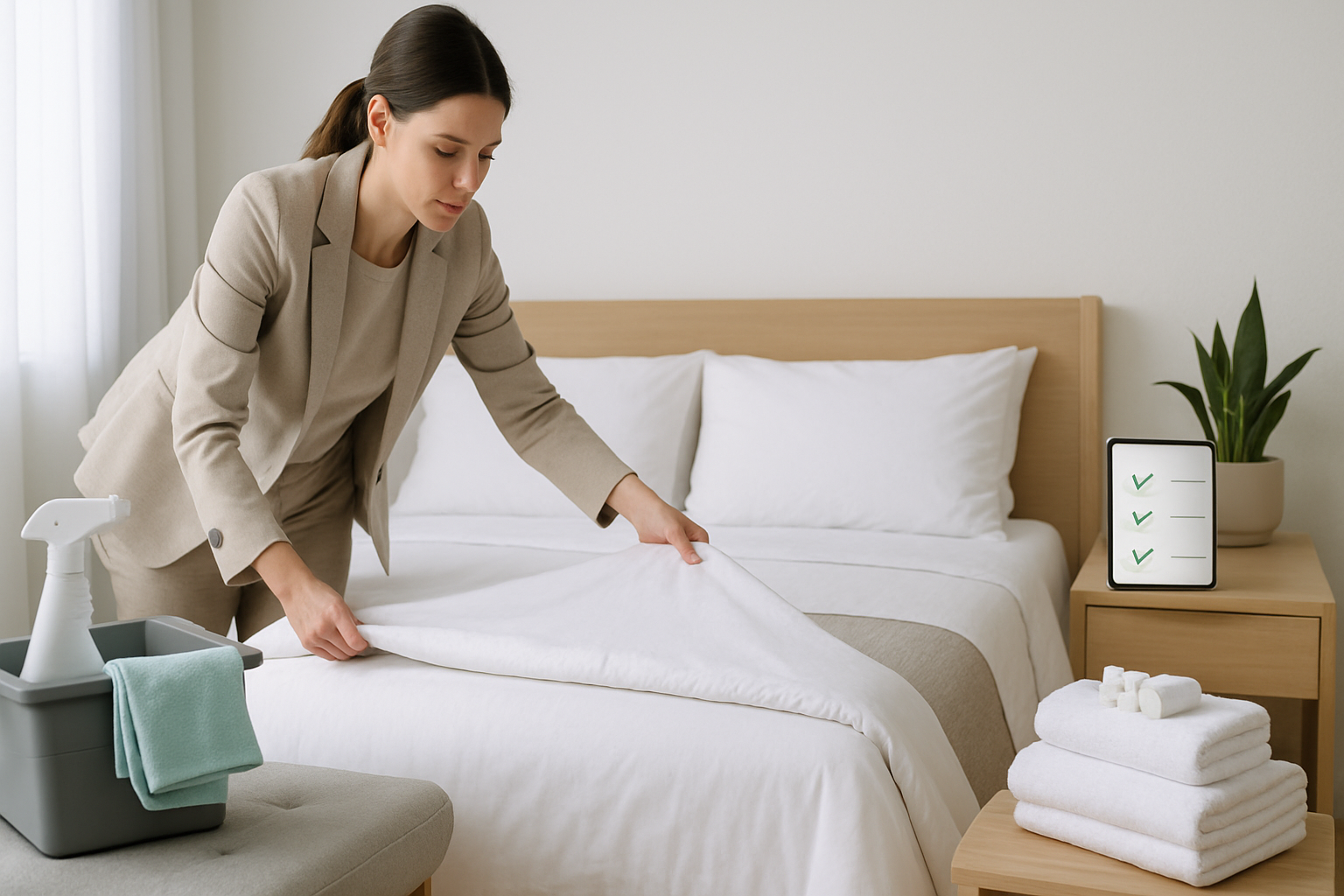
Make the bed with fresh sheets that were washed, dried, and stored sealed until use. Avoid reusing any duvet cover or blanket without laundering unless it has a protective cover you sanitize. Check for hair strands after making the bed, scanning the surface from multiple angles under good light. Dust nightstands, sanitize lamp switches and phone chargers, and check under beds for forgotten items. If you use decorative pillows or throws, keep them limited to reduce laundry volume and potential allergens.
Start by ventilating and letting cleaning products sit long enough to work. Use separate cloths for bathrooms, preferably color coded, to avoid cross-contamination. Descale shower heads and clean soap scum from glass with a squeegee and mild acid cleaner where appropriate. Scrub grout and track channels. Sanitize all fixtures and handles, including the side of vanity drawers. Clean under the toilet seat hinges and behind the base, not just the visible rim. Replace any toilet brush head regularly and sanitize the holder.
Polish mirrors with a glass-safe product and a clean cloth to avoid lint. Restock toilet paper, tissues, and toiletries in consistent locations. Fold towels neatly and hang them so they can air. Place a fresh bathmat each stay. Do not forget the bathroom fan cover. Dust buildup here creates odors and noise.
Clear lint traps, sanitize knobs, and check behind machines for lost socks and dust bunnies. Wipe detergent spills and keep chemicals labeled and sealed. If you supply a washer for guests, leave the door open between stays to prevent musty smells. Run a cleaning cycle monthly and note the date in your log.
Wipe patio furniture arms and table tops. Sweep decks and balconies. Clean grills thoroughly and leave tools sanitized and hung. Refill propane or confirm charcoal stock. For hot tubs, test and balance water, clean filters, and log the reading. For pools, confirm a service record. Outdoor lighting should all work. A quick evening photo before a stay proves you checked it.
Cleaning removes dirt and reduces germs. Disinfecting uses a product to kill germs on contact. You need both. Dirt and soap residue can neutralize disinfectants, which means you cannot spray and pray. Wipe surfaces first, then apply disinfectant to high-touch points, and let it sit long enough to work. Always follow labels, never mix chemicals, and ventilate well.
Microfiber cloths trap particles better than paper towels and can be laundered. Keep a simple color code so bathroom cloths never touch the kitchen. Use a HEPA vacuum to capture fine dust and allergens. Keep a grout brush, a plastic scraper for cooked-on residue, and a squeegee for glass. Choose low-scent, low-VOC products where you can. Strong fragrance can read as cover-up, and some guests have sensitivities.
For wood, use a cleaner safe for finishes. For stone like marble or granite, avoid acids and select pH-neutral solutions. For stainless steel, wipe with the grain to avoid streaks. If you use bleach in bathrooms, never mix it with ammonia or vinegar. That is a safety rule, not a preference.
A good clean can still fail inspection if you skip a second look. Build a short, consistent route. Start at the front door. Walk clockwise through every room with the mindset of a guest arriving. Turn on every light. Sit on the sofa and view the room as a guest would. Open a cabinet and a drawer at random. Run a finger along a baseboard in one room to see if dust is building. If you find a recurring miss, add it to your checklist and fix the root cause, not just the symptom.
Photos are your friend. Take a few standard shots each time, like kitchen counters clear and shiny, the tub and controls, the made bed, and the living room from the entry. Save them to a date-labeled folder. If a guest raises a question, you have a record of condition without extra back and forth.
Inventory should be fast to verify. Use consistent placement. The second spatula always goes in the right-side drawer, the spare light bulbs always live in the hall closet basket. Label shelves inside storage closets so you and your cleaners return items to the same spot every time.
The secret to short windows is staging and spare sets. Keep at least two full linen sets per bed on site. When time is tight, bag the used set and install the clean set immediately. Wash the used set after the turnover or off site. The same applies to towels and bathmats.
Organize your workflow to match the booking pattern. In a small one-bedroom, you might finish in 70 to 90 minutes if supplies are staged and laundry is swapped for a fresh set. In a three-bedroom house, plan 2.5 to 4 hours depending on bathrooms and outdoor spaces. Work in pairs when possible. One person strips beds, empties trash, and starts laundry while the other works through kitchen and bathrooms. Meet in the middle for floors and staging.
Avoid bottlenecks by starting dishwashers and cleaning cycles early. Pre-spot stains before machines run. If you rely on a laundry service, build in a buffer day for returns, or store a third backup set for peak season. Use timers to respect dwell times so disinfectants actually work without stalling your schedule.
Turnovers keep things presentable. Deep cleans keep things truly clean and protect finishes.
Monthly, pull out appliances and vacuum behind them. Wash baseboards, door frames, and switch plates throughout. Descale faucets and shower heads. Rotate and vacuum mattresses. Clean inside trash bins with a disinfectant. Wash duvet inserts if not protected.
Quarterly, wash curtains, steam clean upholstery, and shampoo rugs or have them professionally cleaned. Polish wood furniture, reseal stone if needed, and scrub grout more aggressively. Clean window tracks and screens. Replace any stained pillows. Inspect caulk and reapply before mildew sets in.
Seasonally, service HVAC filters, test smoke and CO detectors, replace batteries, and dust or vacuum vents. Have chimneys checked where applicable. Inspect exterior paint, gutters, and door sweeps for drafts or pest entry. Document everything in a maintenance log. Clean is not only about surfaces. Guests quickly spot neglected upkeep.
Before arrival, send a clear, calm message that covers cleanliness expectations and how to reach you if something is off. Avoid promising sterile conditions. Instead, state that the home is professionally cleaned between stays, high-touch areas are disinfected, and linens are laundered off site or on site with high heat.
Post a light checkout list that helps, not hinders. Ask guests to start the dishwasher, gather trash, and place used towels in a hamper. Do not rely on guests to strip beds unless your cleaner prefers it. Thank them in advance and remind them of the checkout time so turnovers start on schedule.
Be transparent about the cleaning fee. Guests are more accepting when they can see the level of service. If a guest reports a miss, respond quickly, apologize without hedging, and offer a fix. If a return visit is not possible, consider a partial credit. A small, timely gesture often saves a review.
If you work with a cleaning company or independent cleaners, treat it like a partnership with standards and feedback loops. Share your written checklist, product list, and staging photos. Agree on scope by room and by season. Decide who provides consumables and who monitors inventory. Clarify linen handling and storage.
Pay fairly and consistently. Three-bedroom homes usually require at least two cleaners for a reasonable window. Build incentives around quality, like a small bonus for photo sets submitted after each clean and for maintaining low re-clean rates. Schedule regular check-ins and spot inspections. When issues come up, coach with specifics and update your checklist immediately so the lesson sticks.
You can meet high standards and still be gentle on people and the planet. Choose low-VOC products and fragrance-free options where possible. Ventilate during and after cleaning. Run an air purifier between stays and replace filters on schedule. Use mattress and pillow protectors that block dust mites, and wash them regularly. Skip heavy fabric refresh sprays and focus on true odor sources like drains, trash bins, and soft goods.
Provide fragrance-free laundry detergent for guest use. Clearly label any scented amenities. Consider hard flooring in high-traffic areas to reduce allergens if you are renovating. For guests with sensitivities, offer a short note in your listing about your cleaning approach and availability of scent-free products.
If you want a compact reminder to tape inside your supply closet, start with this and adapt it to your space.
Cleanliness is the part of hosting guests never forget. Build a routine that turns airbnb cleaning standards into habits, not hurdles. Keep supplies ready, document your process, and inspect with a guest’s eye. When every stay starts with confidence, reviews reflect it, and the rest of hospitality gets easier.