September 20, 2026
September 15, 2026
Hook
Late check-in, a last-minute booking, and a guest running five minutes late, yet your property looks like a cyclone passed through. A single bad turnover can cost you a one-star review and days of low occupancy. For hosts in Cambridge, consistent, quick, professional cleaning is the difference between a steady stream of bookings and endless firefighting.
Introduction
Airbnb cleaning service Cambridge is more than a convenience for busy hosts. It is an operational necessity that preserves your listings, protects your time, and keeps guest reviews near the top. Whether you manage a single room near the colleges or a portfolio of flats close to the railway station, reliable turnovers create predictability for your calendar and confidence for your guests. This article explains what to expect from a professional service, how to choose one, and practical steps you can take to make turnovers smooth and repeatable.
Why a dedicated Airbnb cleaning service matters in Cambridge
Cambridge has a unique rental rhythm. University terms influence demand, holiday weekends attract families, and conferences bring short bursts of bookings. That variability makes it vital to have a cleaning partner that can scale, adapt, and meet tight check-in windows. A dedicated Airbnb cleaning service understands quick turnovers, guest-focused presentation, and the small details that shape reviews: crisp bedding, spotless bathrooms, and a kitchen ready for use.
Professional cleaners also protect your listing by spotting maintenance issues early. A trained cleaner will report stains, broken fixtures, pest signs, and wear and tear before those problems spiral into negative feedback or larger repair bills. For hosts who live outside the city or manage multiple properties, that early detection is invaluable.
What reliable turnovers look like
A reliable turnover follows a predictable sequence, executed with attention to guest expectations. The process starts before the cleaner arrives, with a clear brief from the host and access arrangements. It ends with documented evidence, like photos and a checklist, that confirms the property is ready.
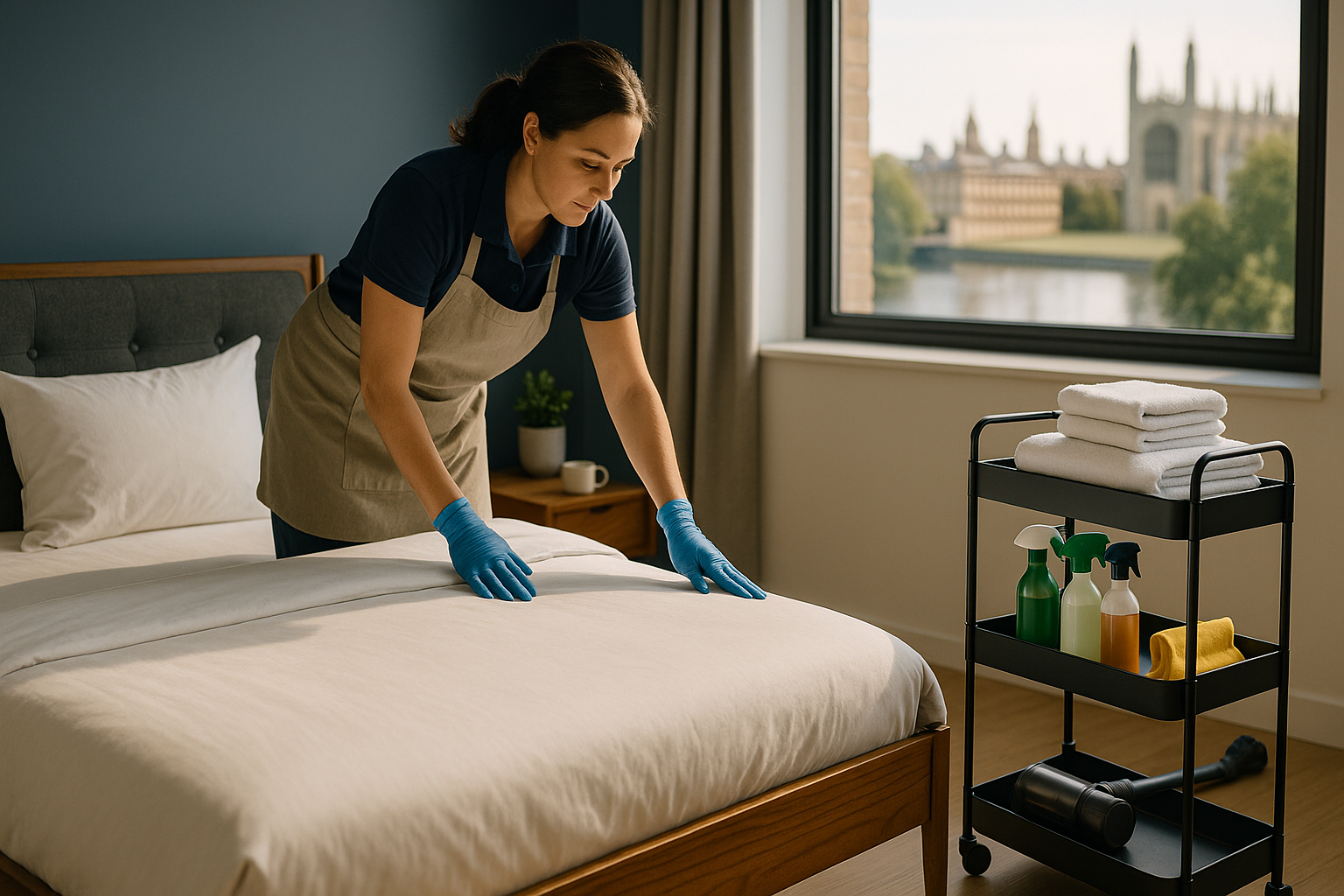
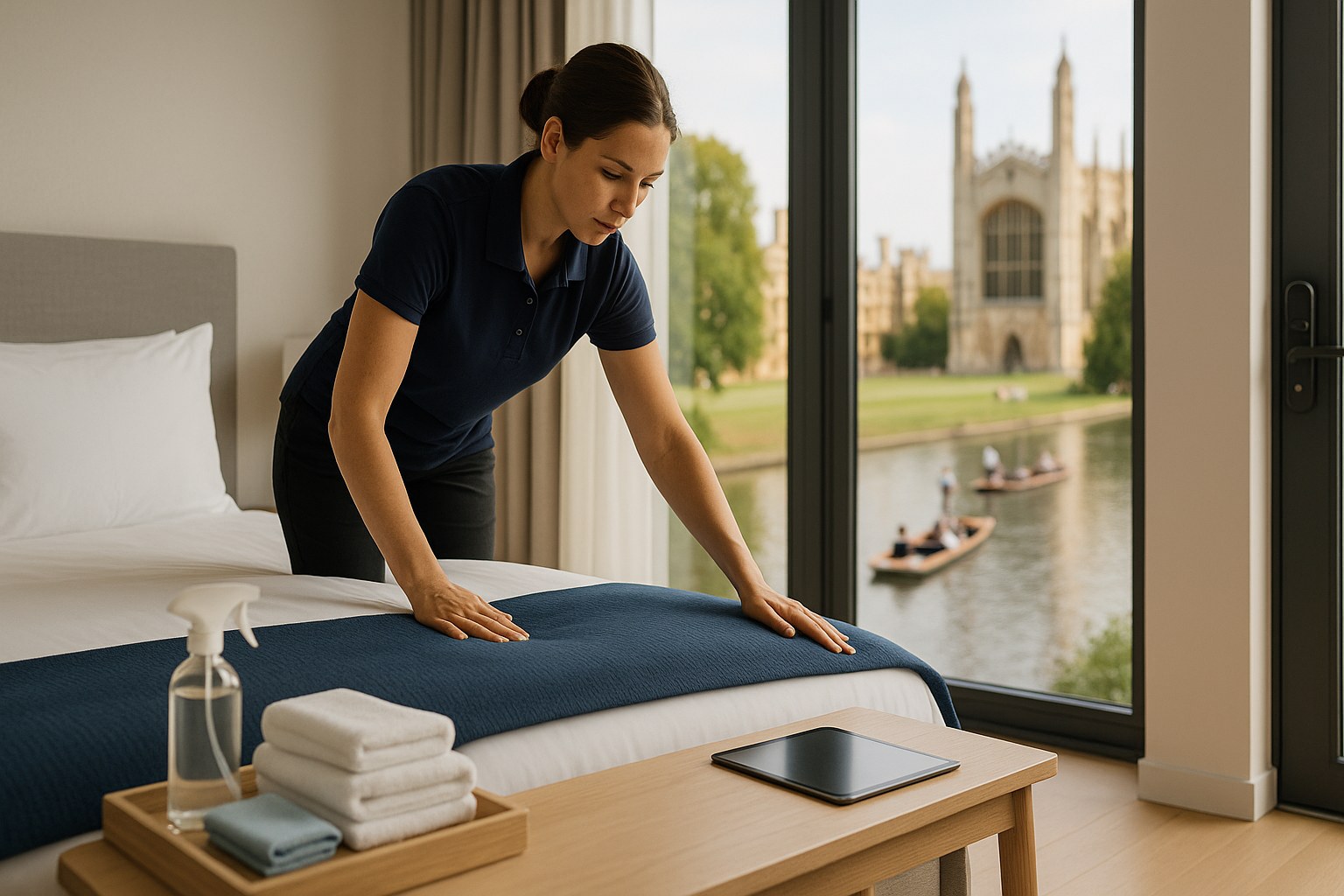
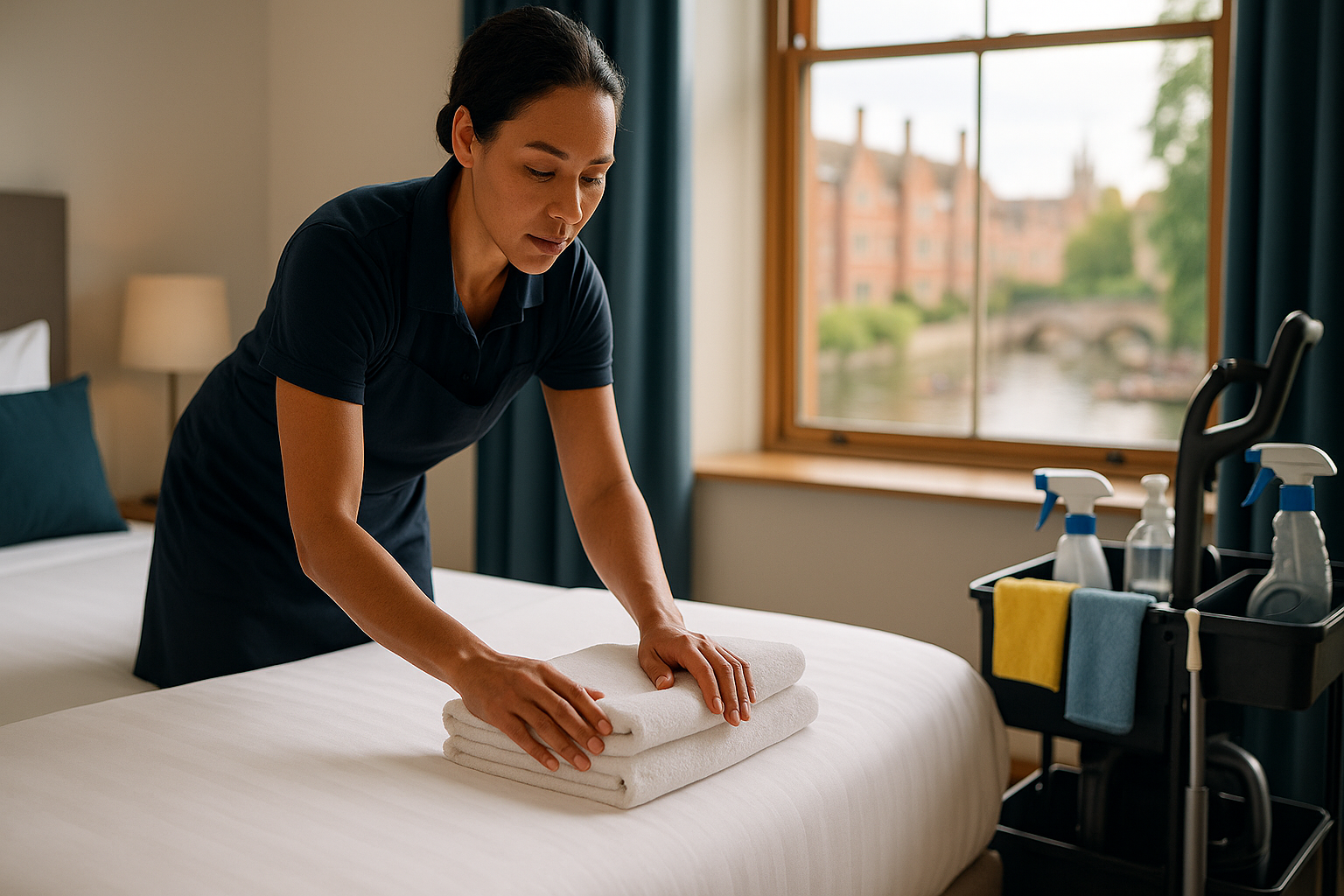
First, cleaners remove used linens and towels, replace them with laundered items, and make beds to a hotel standard. Bathrooms are scrubbed and replenished, with grout, glass, and fixtures cleaned to remove visible residues. Kitchens require attention to appliances, utensils, and surfaces, not only to appear clean but to be hygienic. Floors are vacuumed and mopped, windows and mirrors are streak-free, and trash is collected and disposed of according to local rules.
Beyond visible cleaning, a good service also restocks essentials you designate, checks that heating, hot water, and Wi-Fi are functioning, and leaves small welcome touches when instructed. Turnovers should conclude with a photographic report or a digital checklist that you can review before releasing payment.
A practical turnover checklist you can adopt
A clear cleaning checklist keeps expectations aligned between you and your cleaning team. Instead of listing items in shorthand, turn each point into a performance standard that a cleaner can meet. For example, rather than writing "clean kitchen," use "wipe and disinfect worktops, empty and wash the kettle, check and clean oven if requested, and ensure all dishes are stored or placed in dishwasher and switched on when instructed."
For bathrooms, require removal of hair from drains and surfaces, descaling where needed, and replacement of used toiletries. For bedrooms, require that beds are made with fitted sheets tucked in and pillows fluffed. For living areas, require cushions to be neatly arranged, floors vacuumed, and any stains spot-cleaned.
Specify turnaround times for each task proportional to property size. A studio may need 30 to 45 minutes of thorough attention, while a three-bedroom flat will typically need 90 minutes or more. If you want linen changes with every turnover, include that in the schedule and price expectations.
Timing and scheduling: avoid tight margins that fail
A frequent host mistake is allowing too little time between check-out and the next guest check-in. Cleaners need predictable windows, especially during peak periods. If the last guest checks out at 11:00 and the next check-in is at 15:00, that might work for a quick clean. But two back-to-back mid-day turnovers with only an hour between guests is a recipe for missed details.
When you set booking parameters, aim for a minimum three- to four-hour buffer for standard turnovers and longer for deeper cleans. For same-day bookings, work with a cleaning partner that offers short-notice availability and a reliable rapid-turnover protocol. Those services often charge a premium, but they prevent cancellations and poor reviews.
Costs and pricing expectations
Pricing varies by property size, condition, and service tier. In Cambridge, you can expect different ranges depending on the level of service. A basic standard turnover for a small studio will generally cost less than a full deep clean for a multi-bedroom property. Clarify whether laundry, consumables, and small repairs are included or billed separately.
Transparent pricing helps you model profitability. Ask potential suppliers for sample quotes that reflect your actual properties rather than vague per-hour rates. Also, request pricing for peak times, emergency same-day cleans, and periodic deep cleans. Investing in reliable cleaning often increases occupancy and average nightly rates, so view the cost as part of guest experience management rather than an expense to minimize.
Choosing the right airbnb cleaning service cambridge
Selecting the right partner matters more than choosing the cheapest option. Start by evaluating providers on several practical grounds. First, verify their experience with short-term rentals specifically. Hospitality cleaning differs from regular domestic cleaning because of the speed, presentation standards, and guest-facing expectations.
Check reviews and request references from other Cambridge hosts. Ask for proof of insurance and, if available, DBS checks for cleaners who will access your property unsupervised. Confirm communication methods: do they use an app, text messages, or a phone system? Look for services that integrate with scheduling tools so you can automate bookings tied to your calendar.
A trial period with a new cleaner helps test reliability. Send a clear brief and check results against your checklist for the first few turnovers. If issues arise, discuss them promptly and document corrective actions. Good services will adapt quickly; those that make excuses are a liability.
Preparing your property for efficient cleanings
You can make turnovers faster and more consistent by preparing your property with a few practical measures. Keep a well-labeled linen storage area close to the entrance to reduce time searching for replacements. Provide clear instructions on where to find cleaning tools, which reduces delays when a cleaner needs to deal with a minor spill.
Minimize clutter between guests. Small items like paperwork, guest leaflets, and personal effects should be stored out of sight. Use removable covers for cushions and mattresses to speed washing cycles. Consider replacing fragile or time-consuming items with durable alternatives that are easy to clean.
Invest in organizational systems that the cleaner can follow. A labeled supply cabinet, a binder with your checklists, and a small bin for lost property all save time. If you expect the cleaner to restock essentials, maintain a bulk supply at your property or arrange a scheduled delivery.
Laundry and linen management made simple
Laundry takes up a disproportionate amount of turnover time. Decide whether your cleaning service will handle washing and ironing, or whether you prefer to outsource to a linen company. Many Cambridge hosts benefit from a hybrid approach: the cleaner changes linen and collects used items, then a linen service collects and returns laundered items on a predictable schedule.
If you keep laundry in-house, standardize linen sizes and avoid bespoke bedding that requires special handling. Use high-quality, durable fabrics that tolerate frequent washing. Keep a clear rotation so you never run out of spare sets during a busy week.
Handling keys, access, and security
Access logistics can make or break a turnover. Smart locks, lockboxes, and key exchange services all have pros and cons. Smart locks reduce the need for physical keys and allow you to generate time-limited codes for cleaners and guests. However, ensure the cleaner knows how to operate the system and that the device is reliable.
Lockboxes are simple and inexpensive, but they require a secure location and a code-sharing protocol. If you use a property manager or co-host, handover expectations must be explicit. Always verify that your cleaning service follows your security procedures and signs a confidentiality agreement if unsupervised access is granted.
Handling damage, lost property, and reporting
No property is immune to spills, stains, or accidental damage. The value of a professional cleaning service includes careful documentation and timely reporting. Insist that cleaners report unusual damage immediately, include photos, and provide an initial assessment. That documentation speeds guest communication and supports any claims you need to make through Airbnb or your insurer.
Set clear instructions on holding lost property. Decide whether cleaners should leave items in a designated place, log them, and store them for a set period. A predictable policy avoids disputes with guests and prevents cleaners from discarding valuables unintentionally.
Quality control and feedback loops
Quality control is a continuous process. Use photo reports as part of your standard check. Periodically perform random inspections to ensure standards remain high. Encourage your cleaner to ask questions and provide feedback about ways to improve turnaround efficiency.
When problems appear, document them and work together to solve root causes rather than applying punitive measures immediately. Often, small changes in the checkout instructions or supply locations cut turnover times and improve outcomes.
Examples and scenarios
Imagine a two-bedroom flat near the city center with a high turnover during graduation weekend. The host schedules a cleaning service that guarantees same-day turns, provides two sets of linen per bedroom, and uses a nearby linen supplier for emergency replacements. With a three-hour buffer between bookings and an automated calendar sync, the host avoids double bookings and maintains a 4.9 average rating.
Consider a single-room unit next to the science park used by business travelers. The host installs a smart lock and contracts a cleaner who provides a strict 45-minute standard turnover. The cleaner also checks that the Wi-Fi and iron are functioning before leaving, reducing the number of guest complaints that would otherwise lower the listing rank.
Final tips for long-term success
Consistency, communication, and documentation create the conditions for reliable turnovers. Build redundancy into your plan by having a backup cleaner or a relationship with a linen service. Set clear standards in writing, and ensure the cleaning team has access to the tools and materials they need. Regularly revisit pricing and performance, and adjust instructions as your property or guest profile evolves.
Conclusion
For hosts in Cambridge, choosing the right Airbnb cleaning service Cambridge means more than aesthetics. It means predictable bookings, staff you can trust with unsupervised access, and fewer emergencies that threaten your rating. With clear checklists, reasonable scheduling buffers, and a partner who documents their work, turnovers will become a routine that supports growth rather than a source of stress. Make the investment, refine the process, and your property will reward you with better reviews and steadier income.