September 20, 2026
September 6, 2026
Hook: Spend the night worrying about whether the flat will be clean for tomorrow's guests, or watch your calendar fill with bookings because turnovers run like clockwork. Few things affect your Airbnb rating and income as directly as the quality of your turnover clean.
Introduction If you host in Cambridge you already know how fast bookings can stack up around term starts, open days, and conference weekends. Reliable cleaning between guests, often called turnover cleaning, keeps check-ins punctual and reviews positive. This article explains what an Airbnb cleaning service Cambridge hosts need, how to choose and manage cleaners, what a thorough turnover clean looks like, and practical steps to reduce stress and cost while raising guest satisfaction.
Why professional turnover cleaning matters for Cambridge hosts A one-off tidy is not the same as a guest-ready turnover clean. Professional turnover cleaning focuses on speed, consistency, and guest perception. Cleanliness affects your reviews, your ability to maintain tight check-in windows, and the longevity of furnishings and linens. In Cambridge you compete with professionally managed university lets and polished hotel alternatives, so every detail counts.
Turnover cleaning is not just vacuuming and wiping surfaces. It is a coordinated task that includes fresh linens, sanitised bathrooms, a stocked kitchen, and an inspection to make sure everything works. When a cleaner treats your property as a sequence of repeatable tasks rather than a one-off job, you get predictable results that protect your listing and your time.
What an Airbnb cleaning service Cambridge should include A professional turnover clean tailored for short-term rentals goes beyond surface tidying. At a minimum, expect the following from a reputable service.
General cleaning and presentation: dusting high-touch surfaces, vacuuming and mopping floors, wiping skirting boards if needed, polishing mirrors, and removing cobwebs. The emphasis is on visible cleanliness because guests judge a property within the first moments of arrival.
Bathroom sanitation: deep cleaning of shower, bath, sink, and toilet, descaling where necessary, replacing toiletries and hand soap, and ensuring towels are fresh and neatly folded.
Kitchen reset: wiping down counters and cabinet fronts, cleaning appliances as necessary, emptying the fridge of perishables left by previous guests, sanitising the sink, and restocking basics such as tea, coffee, and dish soap if you supply those.
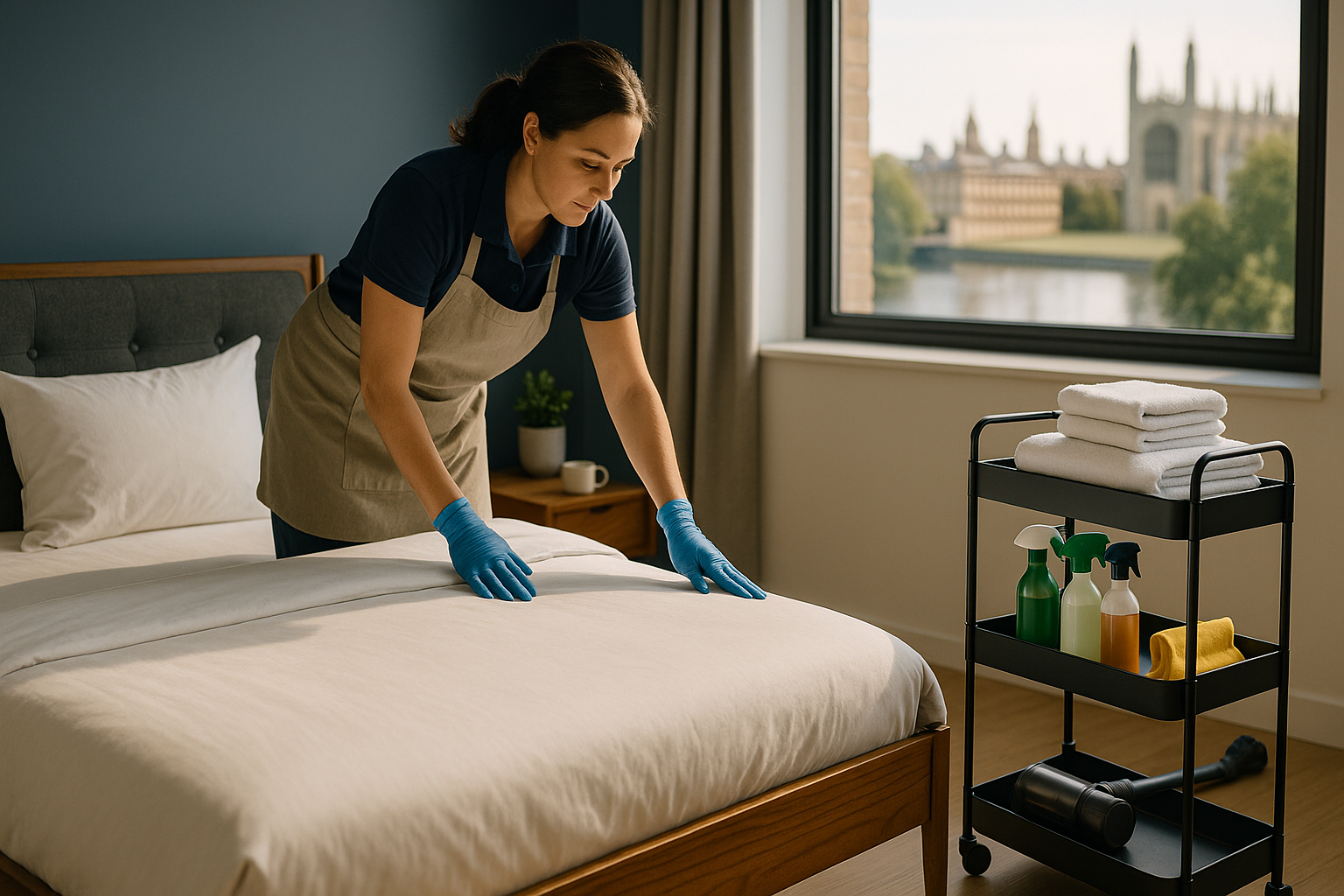
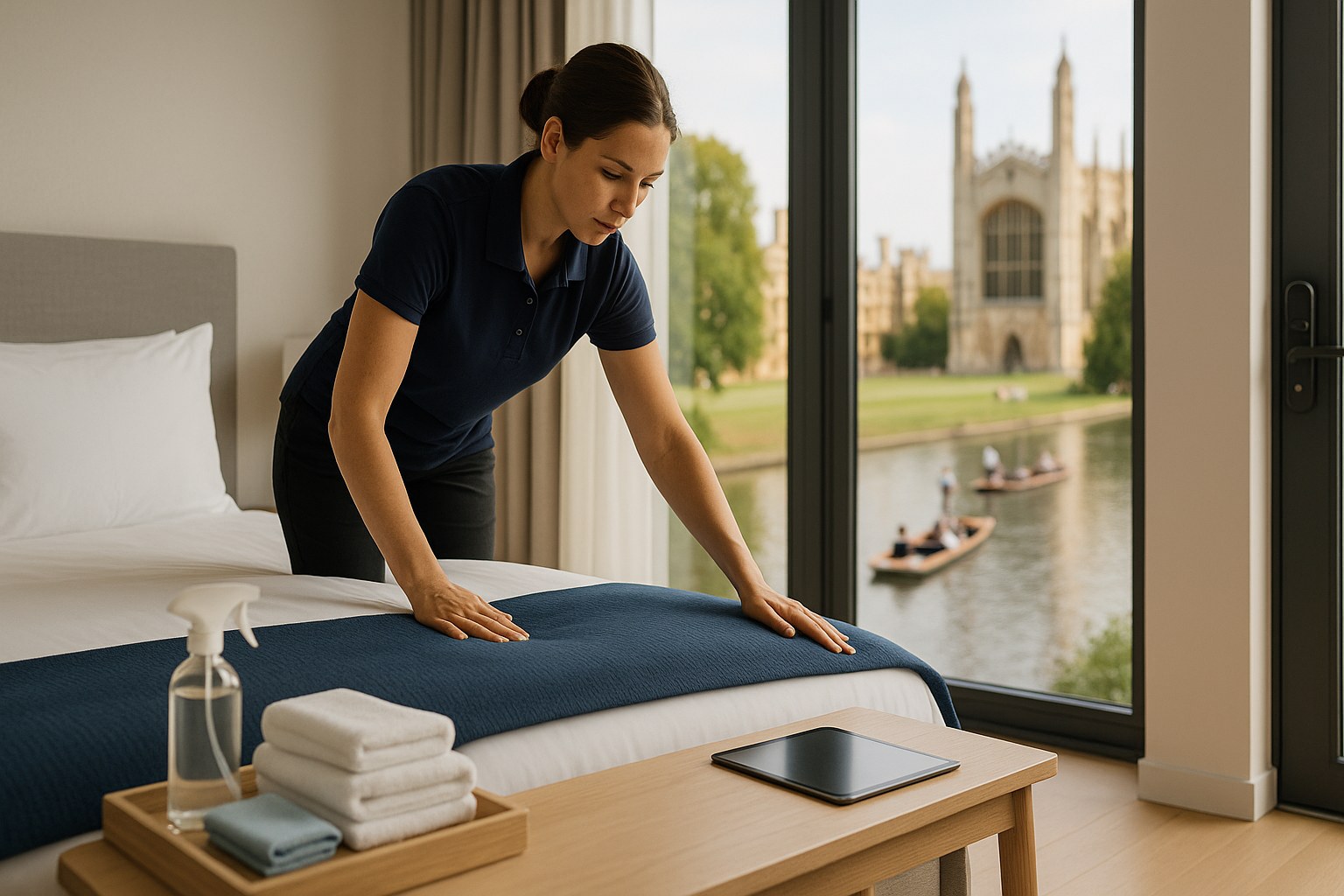
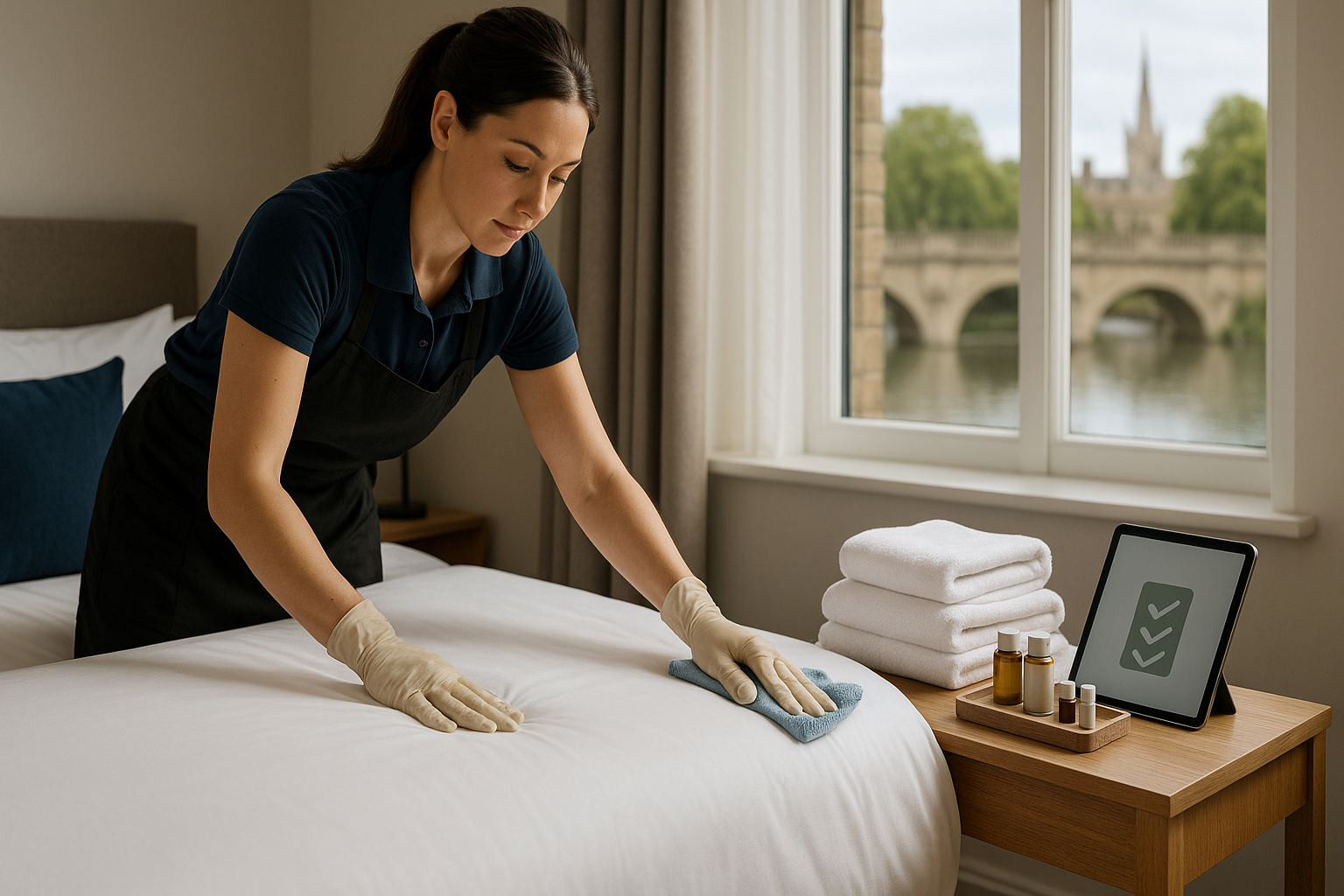
Linen and laundry: stripping used bedding and towels, laundering according to fabric guidelines, replacing with ironed or neatly folded fresh linen, and making beds to a professional standard. Some services handle laundry offsite, others use in-house equipment. Confirm which approach the company uses.
Restocking consumables and light maintenance: replacing toilet paper, kitchen roll, light bulbs if needed, and noting minor maintenance issues such as a dripping tap or a broken lamp so you can act before a guest reports them.
Turnaround inspection: a final photographic record or checklist signed off by the cleaner, confirming that standards have been met and listing any damages, missing items, or safety concerns.
Special tasks that are often offered as add-ons include deep cleans between long stays, oven or carpet cleaning, professional mattress or upholstery treatment, and seasonal tasks such as window cleaning or balcony sweeping.
How to choose the right turnover cleaner in Cambridge Start with clear priorities: reliability, quality, and the ability to respond quickly to late check-outs or emergency bookings. Use these checkpoints when screening providers.
Check credentials and insurance. Ask for public liability insurance and, where relevant, confirmation of staff background checks such as DBS verification. For hosts renting centrally or near colleges, security and trustworthiness are essential.
Read recent reviews and request references from other local hosts. Experience in short-term rental turnovers is different from domestic cleaning. Good turnover cleaners understand how to work against short windows and prioritise guest-facing tasks.
Request a trial clean with a detailed brief and your own checklist. A trial exposes how well the cleaner follows instructions, the time they need, and the quality of their finish.
Clarify service boundaries. Ask whether laundry, supplies, and small repairs are included, or if they are charged as extras. Clarify cancellation fees, late-arrival surcharges, and how they handle double bookings.
Agree communication methods. The best cleaners will use messaging apps or property management platforms to confirm arrival times and send before-and-after photos. Make sure their communication style fits with your expectations for speed and clarity.
Pricing, scheduling and practical contracts Pricing varies with property size, condition, and urgency. A studio or one-bedroom flat will typically cost less to turn over than a two- or three-bedroom property, and deep cleans cost substantially more than routine turnovers. Expect variation by neighbourhood, time of year, and weekday versus weekend work.
When comparing quotes, look past the headline price to the full picture. Does the fee include laundry and consumables? Is there a travel charge if your property sits outside central Cambridge? Are last-minute bookings and same-day turnovers available, and if so, what premium applies?
Set scheduling rules that protect you and your cleaner. Build in realistic buffer time between checkout and next check-in. For same-day turnovers allow at least two to four hours depending on property size and whether laundry must be processed. Make clear your check-out procedure to guests so the cleaner arrives on time and finds the flat in an expected state.
If you have steady bookings, negotiate a standing arrangement or block schedule. Many cleaners will offer a reduced rate when you commit to a fixed number of cleans per month. Conversely, keep a clause for emergency-only work so you can secure one-off cleans during peak weekends.
Practical tips for smoother turnovers Small preparations on the host side reduce cleaner time and lower costs. First, create a concise written checklist that prioritises guest-facing elements such as fresh towels, spotless toilet, and clean bed. Attach photos showing exactly how you want the bed made and towels folded, especially for properties with unique layouts or décor.
Use smart locks or lockboxes to give cleaners reliable access. When keys are handed over in person timing becomes fragile and mistakes happen. Smart locks also create an audit trail of arrivals.
Centralise linen and supplies. A labelled storage area for fresh sheets, pillowcases, and extras such as spares of tea and coffee cuts the minutes spent searching. Provide a clearly marked bag for used linens so the cleaner can begin laundry work efficiently.
Standardise bedding and towels. Choosing suitcase-friendly linens that are easy to strip and remake speeds the clean. Mattress protectors and duvet covers that are machine friendly lower the need for professional services.
Keep a small emergency kit in the property with extra hand soap, a basic toolkit, and spare bulbs. Often a minor fix prevents a booking becoming a complaint.
Establish a lost and found policy so the cleaner knows what to do with items left by guests. This should include where to store the items and how long to hold them before disposal.
Quality control and maintaining high standards Consistency comes from inspection and feedback. Require cleaners to send before-and-after photos and to flag any damages immediately. Review these photos regularly to ensure the same standards are hitting every turnover.
Perform random in-person or remote spot checks. For remote checks use live video calls or recorded walk-throughs. If you manage multiple properties, rotate inspections so you cover different cleaners and locations.
Train your cleaner to follow a simple scoring checklist that includes cleanliness, linen presentation, consumables stocked, and minor maintenance. Use the scores to shape feedback and to reward high performance.
Handle disputes with a calm, factual approach. If a guest complains about cleanliness, compare the cleaner's photos and your own inspection notes before assuming blame. Often a one-time remedial clean or a small guest refund is more economical than losing a listing or receiving a damaging review.
Sustainable and specialised cleaning options Cambridge hosts increasingly ask for environmentally friendly cleaning options and hypoallergenic supplies. Many reputable cleaners now offer eco-friendly products that reduce chemical residues and are acceptable to guests with sensitivities. If you promote your property as green or family friendly, make sure your cleaner can deliver on that promise consistently.
Pet-friendly properties require different routines. Professional cleaners can remove hair, neutralise odours, and treat fabrics to reduce allergens. If you accept pets, specify these needs in your contract and expect a higher turnover fee.
Deep cleaning cycles protect your property long term. Schedule professional deep cleans after a set number of bookings or at term changes to tackle accumulated grime in places routine cleans miss, such as under beds, inside cupboards, and behind appliances.
Examples and scenarios that illustrate good practice Imagine a one-bedroom flat near the university that often books back-to-back on weekends. The host sets a 48-hour minimum for stays and hires a cleaner with a standing Saturday and Monday slot, plus an agreement for emergency same-day cleans. Linens are centralised in a shelf by the door, smart lock codes change after every guest, and the cleaner sends photos after each turnover. The result is consistent five-star reviews and fewer guest messages about basic issues.
Contrast that with a host who tries to wash bedding after each check-out without a reliable dryer and who leaves access to keys up to chance. A late checkout leads to a rushed clean, missed stains, and a complaint that garners a poor review. The cost savings vanish alongside the booking rate.
Conclusion Choosing the right Airbnb cleaning service Cambridge hosts rely on is a mix of clear expectations, careful vetting, and practical systems that make turnovers predictable. Focus on consistent standards, sensible scheduling buffers, and transparent communication with your cleaner. With the right partner and a few simple routines you will reduce stress, protect your rating, and keep your property ready for guests who expect Cambridge warmth and professional presentation.