September 20, 2026
September 12, 2026
Hook
A single negative review that mentions grime, stains, or a smelly bathroom can erase days of high occupancy and good earnings. For Airbnb hosts in Cambridge, consistency in cleanliness is not a luxury, it directly affects bookings, guest satisfaction, and your calendar.
Introduction
Finding a reliable cleaning partner transforms hosting from a constant scramble into a predictable operation. This article explains how an Airbnb cleaning service Cambridge hosts trust operates, what to expect from local cleaners, how to evaluate providers, and practical systems you can put in place to protect your income and reputation. Whether you manage one studio near the city center or a portfolio of properties across neighborhoods, the right cleaning strategy keeps turnovers fast, guest reviews high, and maintenance issues small.
Why a dedicated cleaning service matters
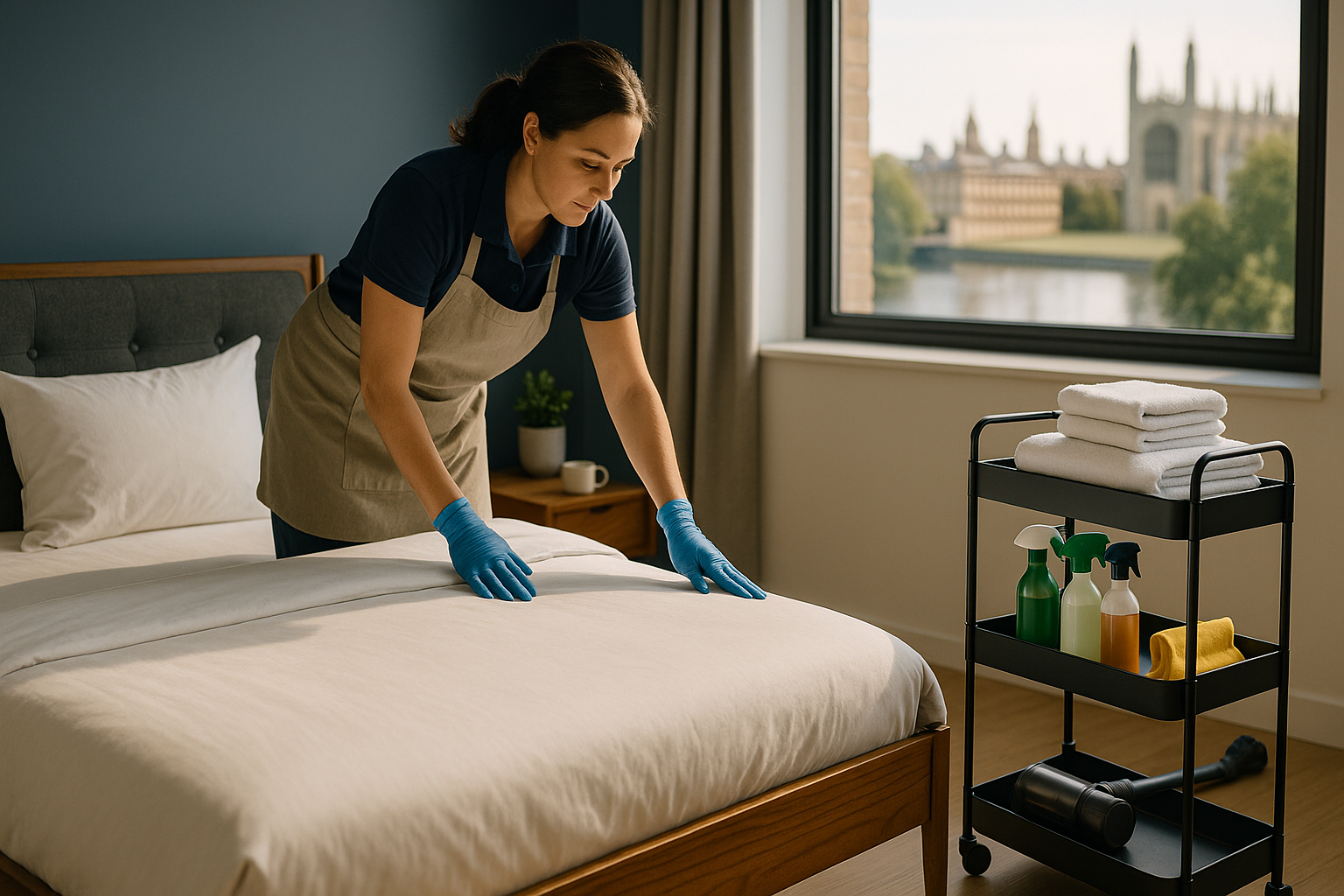
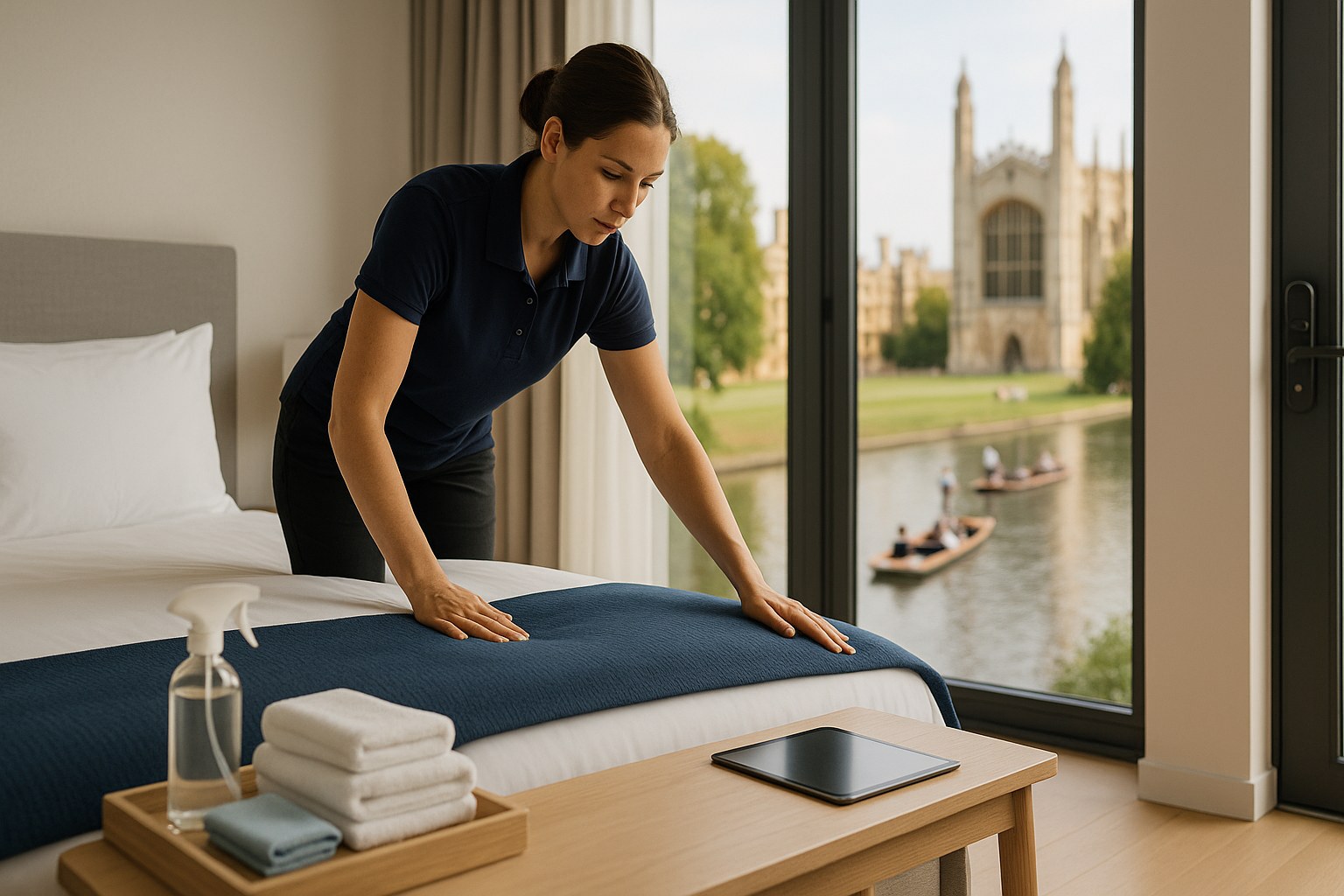
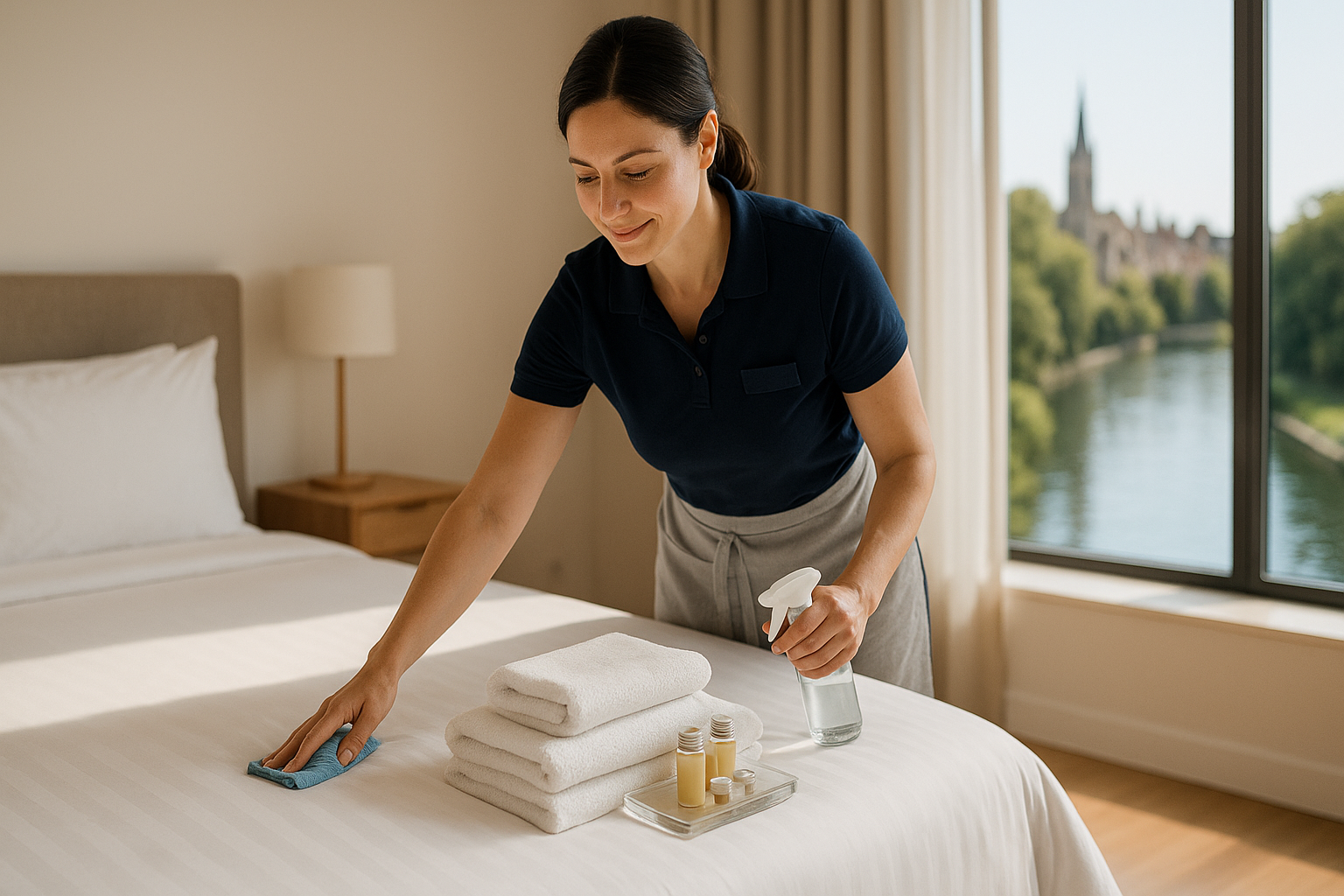
Regular household cleaning and Airbnb turnover cleaning are not the same. Turnover cleaning demands speed, attention to guest impressions, and a checklist that covers linens, waste, restocking, and quick repairs. In Cambridge, where visitors range from academic guests to weekend tourists and business travelers, presentation matters. Guests notice small details: no toothpaste marks, a fresh-smelling bathroom, wrinkle-free bedding, and a fully stocked tea tray. Those details create five-star reviews and repeat bookings.
A local cleaning service understands the rhythm of Cambridge bookings. They work around arrival and departure windows, anticipate peak weeks, and build relationships with laundry suppliers and maintenance tradespeople. That local knowledge reduces friction and keeps your property performing.
What trusted local cleaners in Cambridge offer
Trusted cleaners provide more than wiped surfaces. Expect a professional team to deliver several core services reliably:
A professional cleaning service will also carry public liability insurance and provide references. That protects you if a cleaner is injured on site or if their work causes a problem.
How to choose the right Airbnb cleaning service Cambridge hosts trust
Start by defining your needs. Are you looking for a team to manage everything including laundry and restocking, or do you only need a standard turnover clean? Once you know your baseline, evaluate potential providers across these dimensions.
Reliability and responsiveness matter most. Request examples of how the team handles last-minute turnovers and ask for average response times. A cleaner who replies quickly by phone or app reduces the risk of missed bookings.
Ask for a sample checklist. A professional will share a detailed turnover list that includes the small but visible tasks, such as wiping light switches, checking under beds, replacing shower liners if necessary, and ensuring remote controls have batteries. If a cleaner cannot provide a clear checklist, treat that as a red flag.
Check references and reviews, and ask for work photos. Many Cambridge cleaners will show before-and-after images from past turnovers. If a provider lists multiple properties in the city, that indicates local experience.
Confirm insurance and background checks. Frontline team members should have undergone background screening. The company should carry liability insurance that covers accidental damage or injury.
Discuss communication tools and reporting. The best cleaners use an app or simple photo-report system to document work and flag issues. That prevents disputes and provides an audit trail for problem resolution.
Agree on a trial period. Most hosts reduce risk by booking an initial series of cleanings before committing to long-term arrangements. Use this time to evaluate punctuality, attention to detail, and how they handle special requests.
Pricing and frequency: what to expect
Pricing varies with property size, level of service, and turnaround time. For a small studio or one-bedroom apartment, expect a standard turnover clean to fall within a modest range that reflects Cambridge labor costs, while larger or higher-end properties naturally command higher fees. Extras such as laundry service, changeovers for same-day check-ins, and deep cleans increase the total.
Rather than chasing the cheapest option, compare value. A slightly more expensive cleaner who consistently delivers spotless turnovers, reliable linen service, and timely reporting will protect your occupancy and revenue. Ask how the provider charges for additional guests, pets, or long stays that require mid-stay cleans, and clarify whether costs vary on weekends and public holidays.
Operational tips for smooth turnovers
Systematize your hosting operations so cleaners can work independently and efficiently. Small changes reduce friction and prevent delays.
Create a clear entry and exit plan for cleaners. Provide a lockbox code, smart lock credentials, or an access routine that does not rely on you being present. Make sure cleaning teams have reliable transport and a backup plan if they cannot access a property.
Standardize supplies and storage. Keep a small, clearly labeled cupboard of consumables at each property: two rolls of toilet paper per bathroom, a spare soap bottle, dishwasher tablets, and a basic cleaning kit. When cleaners restock items, they should replenish the cupboard and note what is running low.
Define acceptable turnaround times and penalties if the service misses a window. For example, if your check-in is at 4 pm and a cleaner arrives late, determine whether you expect a partial refund, a complimentary extra clean, or another remedy. Make these terms part of the service agreement.
Use photos and short reports as proof of work. Require cleaners to deliver a few timestamped photos of key areas after each turnover: living room, bedroom, bathroom, and kitchen. That documentation protects both parties from false claims and speeds up issue resolution.
Handling laundry, supplies and inventory
Laundry logistics often complicate turnovers. Decide whether your cleaner will handle all laundry on site, use an external laundry partner, or leave linens for a local laundry service to collect and return. Each option has trade-offs in cost and turnaround time.
If you're managing multiple properties, centralize linen inventory. Store a rotation set offsite that cleaners can access, or contract a laundry company that manages pickups and deliveries. Centralization reduces the chance of running out of clean sheets during peak periods.
For consumables, keep a minimum stock at each property and instruct cleaners to alert you before items fall below that threshold. Some hosts prefer an automated refill service that delivers essentials on a schedule. Others leave small budgets with the cleaner to cover immediate restocks, with receipts submitted afterward.
Cleaning checklist for guest-ready properties
A clear, consistent checklist ensures every turnover meets your standards. A thorough checklist includes both visible touches and behind-the-scenes tasks.
Start with the high-impact areas. Guests judge a property first by the bathroom and bedroom. Ensure bathrooms are sanitized, mirrors streak-free, and towels folded neatly. Beds should be made with wrinkle-free bedding and at least one spare pillow or blanket available.
Kitchen checks should confirm the fridge contains nothing left by previous guests, the sink is spotless, and all surfaces are wiped. Clean small appliances such as kettles and coffee makers, and run the dishwasher or ensure dishes are clean.
Living spaces must be dust-free and odor-free. Vacuum upholstery and rugs, wipe down surfaces where guests might place drinks, and check lamps and remotes for functioning batteries.
Final touches matter. Arrange cushions evenly, present a folded welcome note or guidebook, check the Wi-Fi name and password are visible, and leave a small hospitality gesture such as a tea selection or single-use coffee sachet.
Include hidden checks. Cleaners should inspect under beds and furniture for lost items and crumbs, empty lint traps in dryers, and ensure smoke detectors and other safety devices show no faults.
Managing quality, reporting and guest feedback
Maintain standards by measuring outcomes. Use guest feedback, cleaning checklists, and periodic inspections to judge performance.
Perform occasional surprise inspections or book a professional deep-clean audit quarterly. Those audits reveal slippage before it becomes visible to guests. If you operate remotely, a trusted local contact or property manager can perform these spot checks.
Address negative feedback transparently. If a guest complains about cleanliness, respond promptly, apologize, and offer a quick remedial clean or partial refund depending on the situation. Document the issue and share it with your cleaner, so the same mistake does not recur.
Use reporting to improve training. Share recurring issues with your cleaning team and request modified checklists. For example, if guests frequently mention damp towels, ask the cleaner to rotate towels more often and to ensure adequate ventilation between stays.
Sustainable cleaning options that guests will notice
Many travelers now prefer properties that use environmentally friendly products. Switching to eco-friendly detergents and concentrated refill systems reduces plastic waste and signals care. Cambridge guests, especially those from the academic community, often appreciate visible sustainability efforts.
Ask your cleaner about green product options and whether they can source refillable dispensers for soaps and detergents. You do not need to compromise effectiveness. Many professional-grade eco-friendly products are as powerful as conventional cleaners and reduce chemical residues that can provoke sensitivities in guests.
Examples and scenarios
Same-day turnover: When check-out and check-in happen the same day, time pressure is high. A professional cleaner will arrive as soon as the previous guest leaves, strip beds immediately, put a wash on, and focus on rapid sanitizing of the bathroom and kitchen. For best results, treat same-day turnovers as premium services and expect a higher fee.
Long-stay guest exit: After a guest stays for more than seven nights, require a deeper clean. That should include descaling the kettle, wiping inside kitchen cabinets, and inspecting mattresses for stains. Scheduling this deep clean before a new guest arrives prevents complaints and reduces wear from accumulated dirt.
Emergency clean: If a guest reports a spill or unexpected mess, have an emergency clause with your cleaner guaranteeing a call-out within a set time. Some cleaners offer urgent call-outs for an extra fee. Keep a local emergency cleaning number on your guest guide.
Common mistakes hosts make and how to avoid them
One common error is underestimating the time needed for a thorough turn. Rushing a clean leads to overlooked stains and poor reviews. Build realistic windows into your schedule and anticipate delays from late check-outs.
Another mistake is unclear expectations. Hosts who do not provide a written checklist or fail to confirm inventory levels often experience inconsistent results. Put standards in writing and review them with your cleaner.
Relying on a single individual without backup creates risk. Ensure your cleaner has a team or vetted replacements so turnovers do not fail if one cleaner is sick or on holiday.
Conclusion
Choosing a reliable Airbnb cleaning service Cambridge hosts trust reduces stress and protects revenue. Prioritize reliability, clear communication, and a detailed checklist. Build simple systems for access, supplies, and documentation. With the right partner, turnovers become routine, guest reviews improve, and your Cambridge listings will keep their calendars full.