September 20, 2026
June 26, 2026
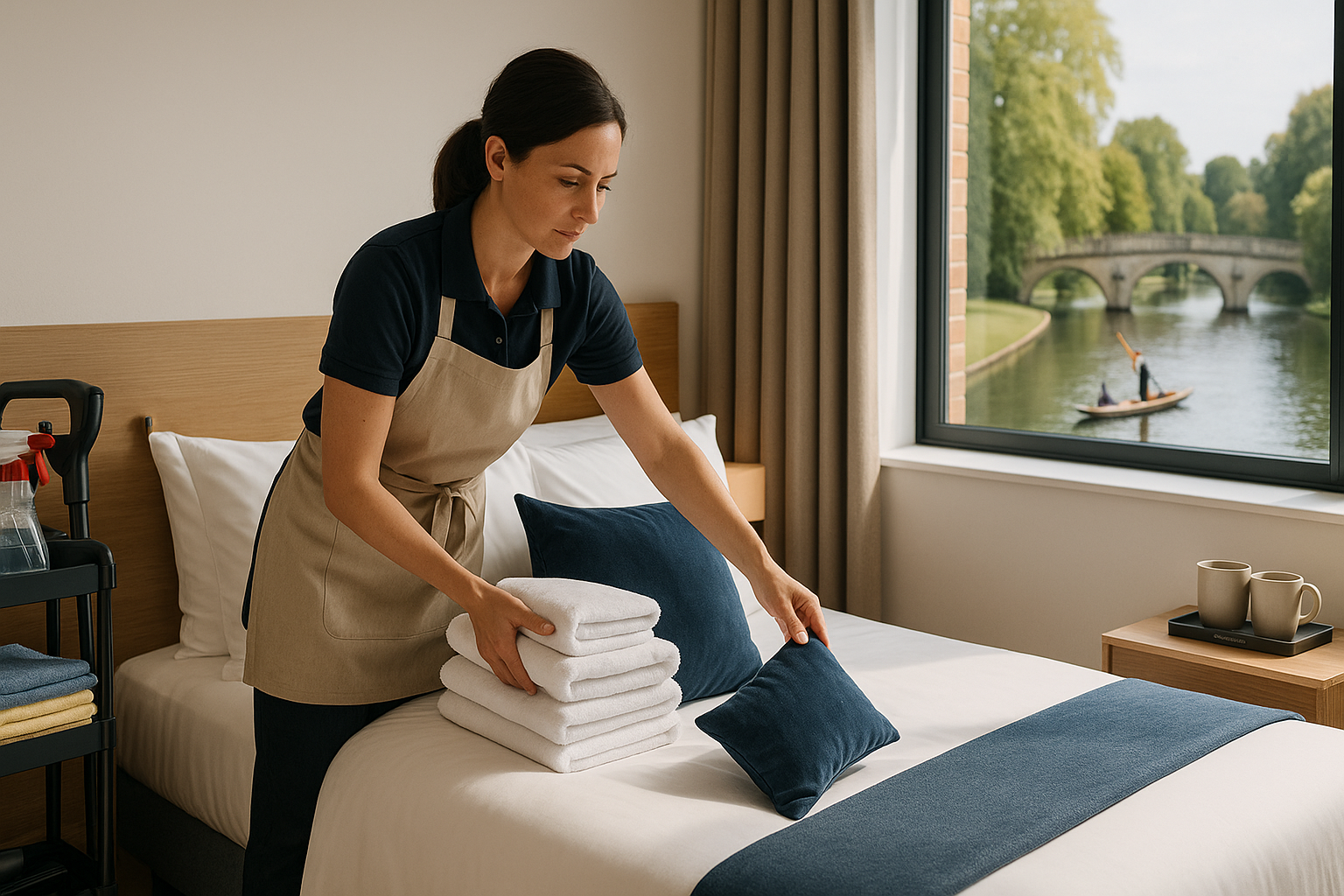
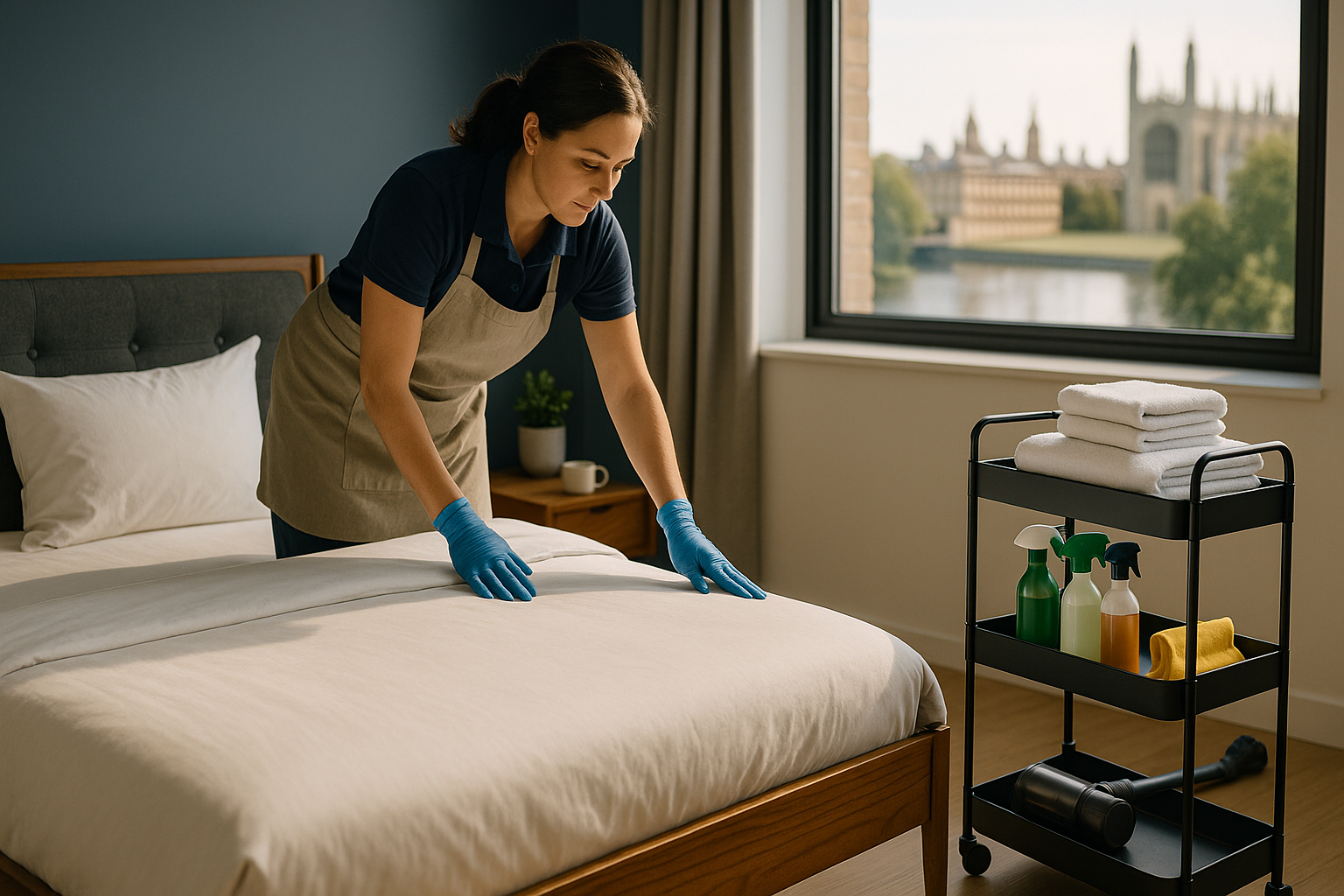
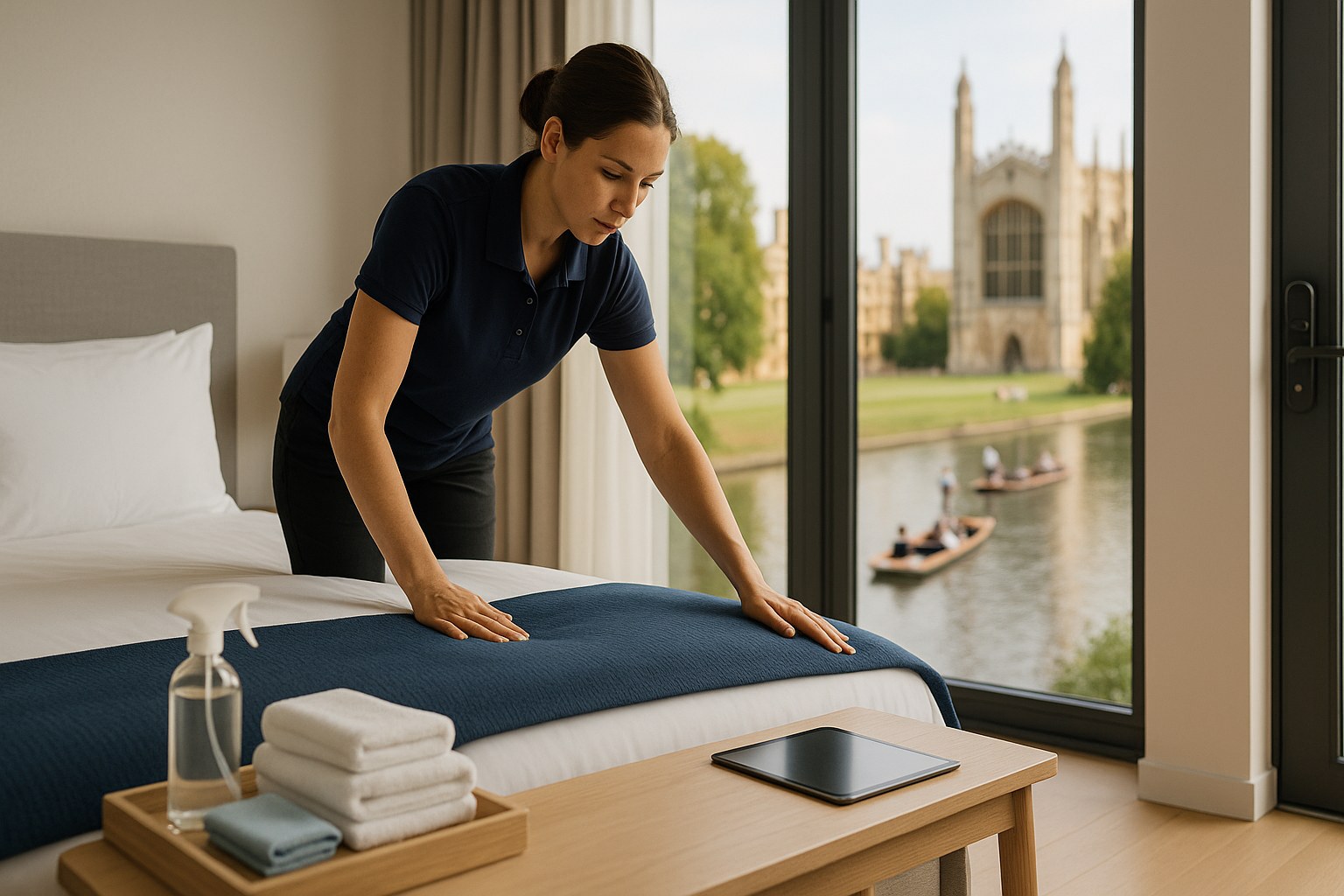
A guest walks in and notices a single hair on the pillow. One review later your calendar shows an empty weekend. Cleanliness sells nights, and in Cambridge good cleaning means better ratings, fewer disputes, and steady income.
Introduction
If you manage short-term rentals in Cambridge, whether a single studio near the river, a flat in a tech hub, or several units close to university colleges, reliable cleaning is not optional. The phrase airbnb cleaning service cambridge matters because it captures the need most hosts feel: fast, professional turnover that protects reviews, reduces guest friction, and keeps operations smooth. This article explains what a dependable cleaning service looks like, how to choose one, what to expect during turnovers, and practical ways to reduce problems and cost without sacrificing quality.
Why professional cleaning matters in Cambridge
Cambridge sees fluctuating demand tied to term dates, conferences, and tourist seasons. That pattern increases turnover and raises the chance of rushed transitions. Professional cleaning does three things for hosts. First, it creates consistent guest experience. Clean surfaces, fresh linen, and thoughtful presentation lead to positive reviews and repeat bookings. Second, it protects your property. Trained cleaners spot maintenance issues early, such as a leaking washer or a damaged appliance. Fixing problems before they become guest complaints saves time and money. Third, it reduces liability. A service that is insured and follows safety protocols reduces risks around accidental damage, biohazards, and claims from guests.
What an effective Airbnb cleaning service Cambridge hosts should expect
A professional cleaning team provides more than mopping and dusting. Expect a set of standard services you can rely on every turnover and clear optional extras for deep cleans or special situations.
During a regular turnover the cleaners should:
Optional but valuable extras include linen laundering, professional carpet cleaning, oven cleans, upholstery treatment, window cleaning, and steam cleaning for mattress or upholstery stains. A good service will offer scheduled deep cleans every few months and emergency cleans after particularly messy departures.
Turnover cleaning versus deep cleaning: what hosts need to know
Turnover cleaning focuses on speed and essentials so the property is ready for the next guest within a narrow window. Deep cleaning removes accumulated dirt and addresses elements that routine turnovers miss. Treat them differently.
Turnover cleaning is scheduled after each guest check-out. The team follows a detailed checklist, refreshes consumables, and ensures everything functions. The timeframe varies but in Cambridge short windows are common because hosts want maximum occupancy. A reliable team will coordinate arrival times and handle quick mid-day turnovers when necessary.
Deep cleaning happens less often, typically quarterly or biannually, depending on occupancy. It includes tasks such as descaling kettles, cleaning behind and under appliances, steam cleaning carpets, intensive bathroom descaling, and cleaning vents and light fixtures. Deep cleans extend the life of fixtures and maintain a higher baseline level of cleanliness that keeps turnovers easier and faster.
How to choose an Airbnb cleaning service Cambridge hosts trust
Selecting the right partner matters more than choosing the cheapest quote. Consider capability, reliability, and communication.
Verify experience with short-term rentals. A domestic cleaning company may be excellent at weekly jobs, but turnover cleaning has unique demands: timing precision, checklist discipline, inventory management, and the ability to respond to last-minute bookings.
Ask how they handle staff vetting and training. Background checks, right-to-work verification, and reference checks reduce risk. Regular training on hygienic cleaning, safe use of chemicals, and handling delicate items matters. Request a sample logging report or the photo checklist they use after each turnover.
Insist on insurance and liability coverage. Cleaning companies should carry public liability insurance and, if applicable, employer liability. This protects you in case of accidental damage or injury while staff are on your property.
Confirm availability and response times. Cambridge demand can be seasonal. Ask if they have enough staff to cover peaks, and how they handle weekends and bank holidays. Reliable services offer a clear cancellation and rescheduling policy so you avoid confusion when guests extend stays or depart late.
Review references and ratings. Trusted cleaners will provide local references and will have reviews on platforms or direct testimonials from other hosts. A transparent company will also allow you to audit work during the first few cleanings.
Practical checklist hosts can use during a turnover
A practical checklist keeps expectations aligned. Instead of a lengthy list of bullet points, imagine the property walk-through the cleaner will perform. They start at the entrance, ensuring the key safe is clean and accessible, the welcome pack is present, and there are no obvious slips or hazards. In the living area they wipe surfaces, inspect cushions and throws, vacuum thoroughly, and ensure electronics and lighting work. In the kitchen they remove food waste, sanitize counters, check the refrigerator for forgotten items, and test the kettle and coffee maker. Bathrooms get priority, with all surfaces disinfected, mirrors streak-free, drains checked, and extra towels folded neatly. Bedrooms require linen replacement, mattress checks for stains, and a final scan for stray items. Finally, the cleaner confirms utility meters or logbooks if you require them, takes photos as evidence of the finished clean, and uploads a quick report with any maintenance issues highlighted.
Scheduling, logistics, and communication strategies that reduce problems
Good logistics cut disputes and save you time. Use clear booking slots on your calendar and share those with your cleaning partner. Block a buffer time between check-out and check-in when possible. Even a couple of hours reduces the chance of rushed jobs.
Set a preferred communication method and response window. Many cleaning companies use messaging apps to confirm jobs and send photos. Require a short photo report after each turnover that includes the bedroom, bathroom, kitchen surfaces, and proof that the bin is empty. Images prevent he-said-she-said situations with guests.
Label storage for supplies and linen. An organized supply closet with labeled shelves, spare pillows, and a clear rule for consumables helps cleaners restock quickly. Provide a list of items you expect to be replaced, and decide whether cleaners will refill them from your inventory or charge you separately.
Create a standard handover protocol for late check-outs and extensions. Decide if late check-outs incur a surcharge or if your cleaners will attempt to turn the property around regardless. Communicate these policies in your house rules and on your listing to set guest expectations.
Costs, contracts, and pricing expectations
Pricing varies with location, property size, and additional services. Expect turnover cleans to be priced per job, while deep cleaning and intensive services are typically priced higher because they take more time and resources. When you compare quotes, ask for itemized pricing so you know what is included.
Contracts should be clear about minimum call-outs, cancellation windows, and liability for lost or damaged items. Some companies require a three-month or annual agreement for a discounted rate. Decide whether you prefer pay-as-you-go flexibility or the certainty of a contract. If the service provides linen and consumables, understand replacement costs and who bears them.
If you manage multiple properties, negotiate a volume discount. Many companies are open to bulk pricing, scheduled blocks, or standing weekly maintenance that lowers the per-job price. Also consider whether the service offers peak season surcharges and what that looks like.
Common problems and how the right cleaning service handles them
Late check-outs, heavy soiling, and damage happen. An experienced cleaner should have a defined escalation process. For example, when they encounter a foul-smelling property or biohazard, they should notify the host immediately, isolate the area, and recommend next steps. For damage or theft, they should document with time-stamped photos and provide witness statements if available.
For stubborn stains or persistent odors, a good cleaning team will suggest a plan: immediate spot treatment, scheduling a follow-up deep clean, or recommending replacement of a mattress protector or upholstery. For lost guest items, insist on a protocol where cleaners secure the item, photograph it, and note where they left it with the guest or host.
Case scenarios and practical examples
Scenario 1, tight turnaround after a late flight. A host has an early morning check-in and a guest who checked out late. A reliable cleaner not only performs a rapid turnover but also prioritizes essentials: clear bedding, disinfected bathroom, and a quick vacuum. Photographic proof helps confirm readiness.
Scenario 2, a high-occupancy weekend during graduation or a conference. The cleaner staff scales up with additional teams. The host sets extra linen on standby and instructs staff to focus on bathrooms and bedding first. The result is minimal guest complaints and high ratings across consecutive bookings.
Scenario 3, repeat problem with pet hair. After several complaints, the host schedules a special upholstery and steam clean, purchases high-quality lint rollers and a pet-friendly vacuum, and asks the cleaning team to use mattress and pillow protectors. The problem diminishes quickly.
Maintaining quality over time
Quality control is ongoing. Perform occasional spot checks, especially in the first month. Review cleaning reports and guest feedback, and address recurring issues with the company. Provide constructive feedback and, where necessary, a formal escalation if standards slip.
Consider establishing key performance indicators, such as average completion time, guest cleanliness ratings, and percentage of turnovers completed on schedule. Simple metrics help you decide whether to renew, renegotiate, or replace the service.
Final words
Choosing the right airbnb cleaning service cambridge means balancing speed, reliability, and attention to detail. With clear expectations, a written checklist, photo reporting, and an established communication routine you will protect your reviews, reduce maintenance headaches, and spend less time managing logistics. Cleanliness is visible to every guest, so invest in a partner who treats your property and your reputation with care.