September 20, 2026
June 25, 2026
Hook
You have 30 minutes between guests and a two-star review waits on the other side of a missed stain. For Airbnb hosts in Cambridge, quick, dependable turnovers are the difference between a full calendar and empty nights. The right cleaner can turn panic into routine, and a predictable turnover process can raise your ratings without adding stress.
Introduction
This article explains how to find and work with an Airbnb cleaning service Cambridge hosts trust for fast, reliable turnovers. It covers what to expect from professional cleaners, how to vet and price services, the operational details that make same-day turnovers possible, and practical tactics for minimizing problems. Whether you manage a single city-center flat or a portfolio around the colleges, the goal is the same: predictable, guest-ready properties on time, every time.
Why fast, reliable turnovers matter for Cambridge hosts
Cambridge hosts face a unique rhythm. The university calendar, conferences, rowing regattas, and seasonal tourism can produce sudden spikes in demand. When bookings come back-to-back, cleaning windows shrink. Slow or inconsistent turnovers result in cancelled reservations, bad reviews, and additional stress. Fast, reliable turnovers protect your calendar and your reputation. They let you accept last-minute bookings and keep your listing occupancy high. For professional hosts, rapid turnovers also reduce the need for emergency accommodations or discounts to placate disappointed guests.
What to expect from an Airbnb cleaning service Cambridge hosts can rely on
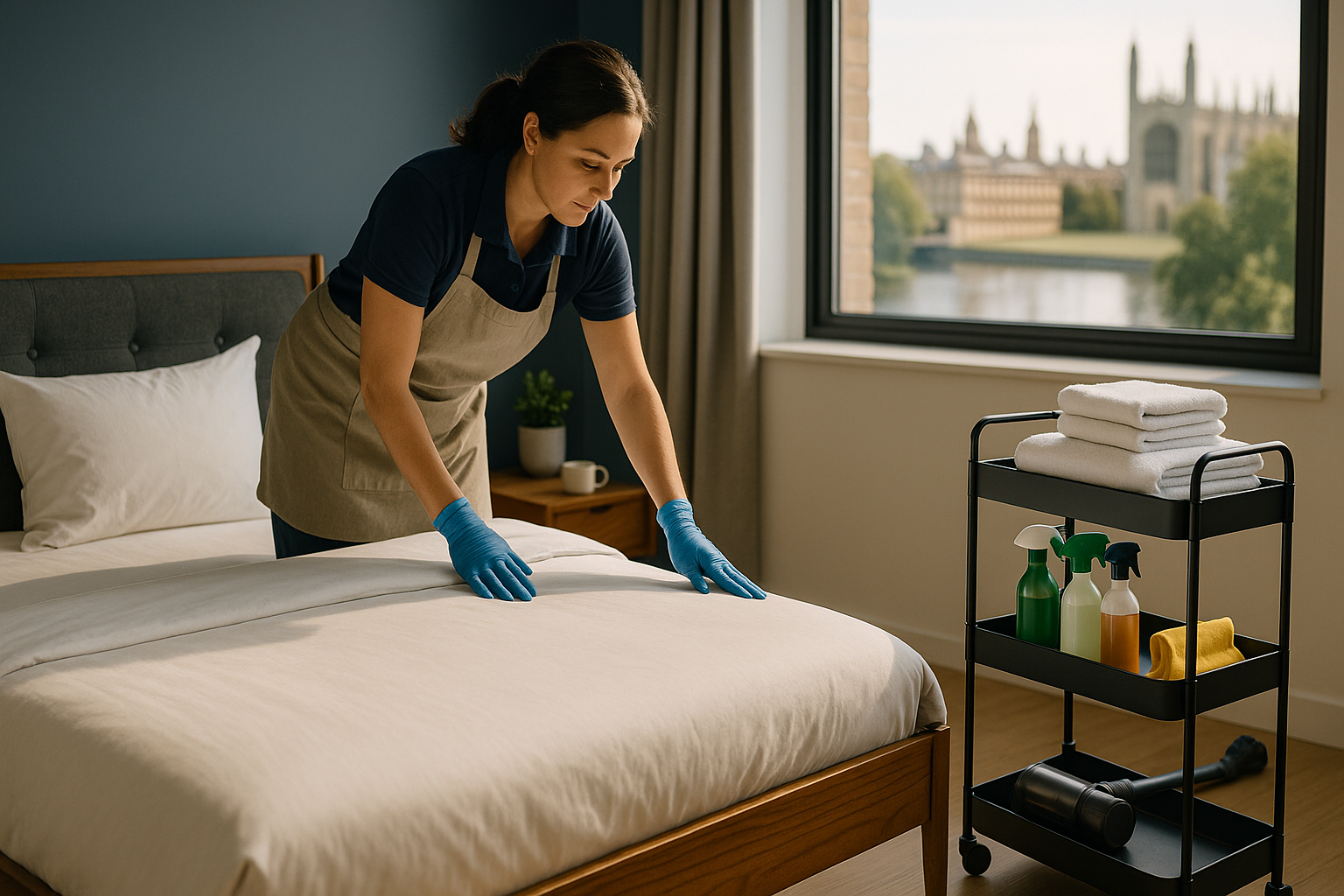
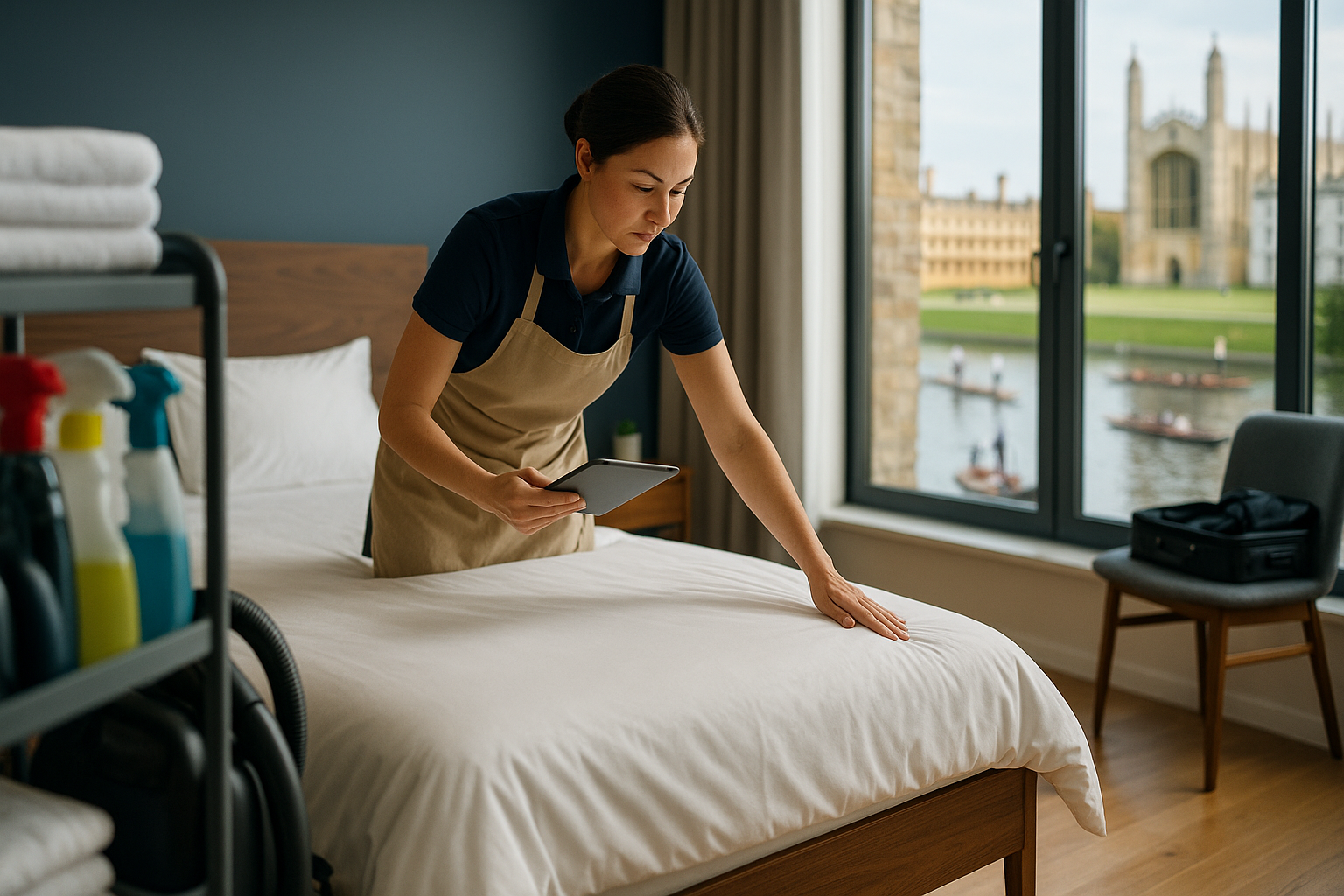
A professional turnover goes beyond wiping surfaces. Expect a service to deliver a repeatable checklist, clear timing, and simple communication. A standard turnover includes cleaning bathrooms and kitchen to guest-ready standards, changing and laundering bed linens and towels, vacuuming and mopping floors, dusting surfaces, emptying bins, restocking basics like toilet paper and soap, and photographing the property after the clean.
Turnaround times vary by property size and state. A well-trained cleaner can prepare a studio in 30 to 45 minutes when the previous guest left reasonably tidy. A one-bedroom flat often takes 45 to 75 minutes. Properties left in poor condition, or those requiring deep cleaning, will take longer. A dependable service will quote realistic times and provide backup options if the timing runs over.
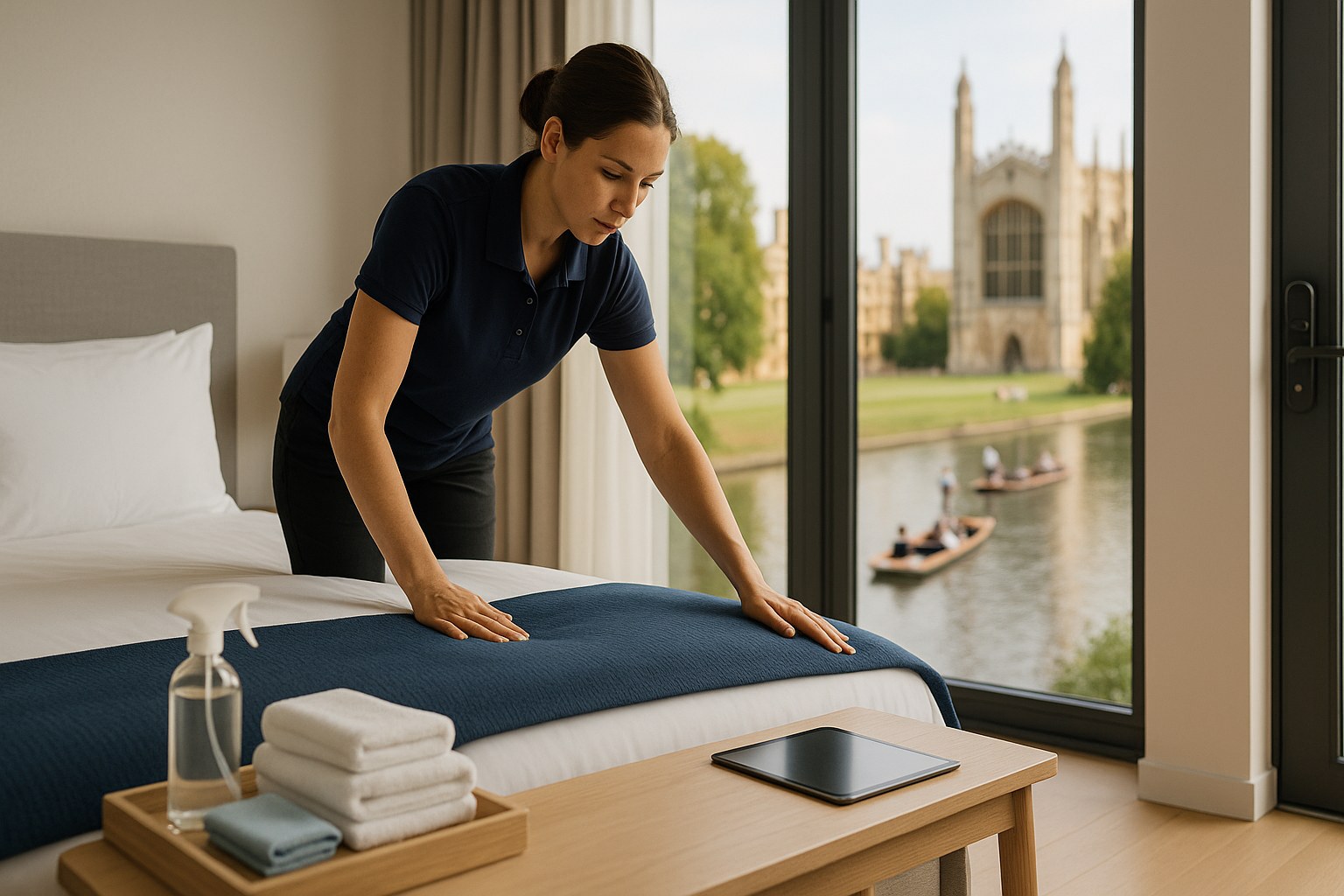
Cleaners should also document damage or missing items and report these to you immediately. The fastest services combine physical cleaning with digital accountability: time-stamped photos, checklists completed in an app, and quick messaging when issues arise.
Finding the best Airbnb cleaning service Cambridge: questions to ask
Ask about availability first. Can the service meet tight windows and last-minute calls during busy weekends? If they cannot, find one that can. Check their staff model next. Do they use a rotating pool of local cleaners, or a dedicated team of trained professionals assigned to your property? Dedicated teams learn a property’s quirks faster and deliver more consistent results.
Confirm insurance and background checks. In the UK, ask if cleaners hold public liability insurance and whether the company conducts DBS checks when cleaners require access to keys and personal spaces. Insurance protects you if a cleaner damages a fixture or a guest trips on a loose tile. Background checks protect your guests and your property.
Request references and read recent reviews. Ask how the company handles damage reports and lost items. Get clarity on what is included in the standard clean and what counts as an extra charge. Finally, check how they handle supplies and linens. Some services include laundry and replacement linens as part of the package, while others expect you to supply them.
Operational details that make quick turnovers possible
Turnovers happen smoothly when systems are built around them. Start by standardizing how you prepare a property for cleaning. Make sure keys or lockbox codes are consistently located, or switch to a smart lock system with temporary codes. Provide a clear inventory list and a short orientation document for cleaners that includes appliance quirks, where to find extra linen, and any guest-facing items requiring special arrangement, such as welcome baskets.
Digital checklists are essential. A clean delivered without verification is a liability. Use a cleaning app that forces completion of each task, captures photos, and timestamps the finish. This gives you proof the cleaner arrived and what they did, and it speeds up problem resolution when a guest complains.
Timing strategy matters. When bookings are back-to-back, schedule cleaners so they arrive slightly before check-out time to cut the total turnaround duration. This works only if the previous guest checks out on time. For high-risk windows, arrange a buffer by blocking a short unpaid window between bookings or charging a premium for tight same-day turnarounds.
Supplies and linen management
Decide whether your cleaning service will supply consumables and linens. Having the cleaner handle supplies removes friction, but it typically raises the fee. If you prefer to provide items yourself, create a small supply cabinet with essentials: extra toilet rolls, dish soap, hand soap, trash bags, and a basic cleaning kit for spot emergencies. Label shelves and keep an inventory log so cleaners can quickly restock, or flag you when stock is low.
For linens, aim for a rotation system that prevents bottlenecks on busy weekends. Keep at least two full sets of bedding per bed: one on the property and one in the laundry cycle. If you have multiple properties, consider an offsite laundry partner. Timely linen turnaround is one of the most common causes of delayed check-ins, so solve it proactively.
Pricing and budgeting for Cambridge turnovers
Pricing depends on property size, condition, turnaround speed, and included services. Typical ranges in the Cambridge area for standard turnovers fall between modest flat fees and hourly rates. Studios and smaller rooms cost less than multi-bedroom homes. Expect a standard clean for a one-bedroom to land within a mid-range fee, while deep cleans, heavy laundry loads, or rapid same-day cleans will add to the cost.
Avoid choosing solely on price. A cheaper cleaner who misses items or lacks reliability costs more in cancelled bookings and low ratings. Instead, compare what each quote includes and test services with a trial period. Track your cleaning costs per booking over a month to understand how much turnover expenses affect your net revenue. Sometimes paying slightly more for reliability allows you to accept extra bookings, which boosts profitability.
Handling last-minute bookings and problem turnovers
Last-minute bookings are a chance to boost revenue if you can deliver a quick clean. Keep a trusted standby cleaner or a team that offers emergency call-outs. Establish a clear policy and fee for last-minute same-day turnovers, communicated in your hosting runbook or listing backend. If a cleaner runs overtime, have contingency plans such as a second cleaner on-call or a temporary adjustment to check-in times with the guest.
When properties are left in very poor condition, set clear boundaries. Charge a reasonable extra fee for excessive mess, document the condition with photos, and apply your security deposit if items are damaged. If a guest refuses to pay, have a dispute resolution path using the platform's host protections. Good cleaners will notify you early so you can decide the next step while the guest is still contactable.
Technology and tools that speed turnovers
Smart locks and lockboxes reduce delays caused by key handoffs. Remote locks that allow you to issue time-limited codes are the fastest option. Integrate your cleaning schedule with your calendar and booking platform where possible. Some property management systems allow cleaners to receive automatic notifications when a guest checks out, and they can update the booking status when a clean is complete.
Use apps for messaging and photo verification. A cleaner who uploads photos of the cleaned rooms gives you immediate evidence to release funds, confirm readiness with incoming guests, and respond quickly to any issues. For hosts managing multiple properties, a centralized dashboard that shows cleaner status and completion timestamps keeps operations transparent and reduces last-minute surprises.
Sustainability and guest expectations
Cambridge guests often care about environmental practices. Consider a cleaning service that uses eco-friendly products and energy-efficient laundry. Swap single-use toiletries for refillable dispensers where building rules permit. Communicate your green practices in your listing and inside the property. Small touches such as recycled toilet paper and labeled recycling bins can reduce waste and appeal to environmentally conscious guests.
Be mindful of guest comfort when making sustainable choices. Use non-scented, hypoallergenic products for shared spaces, and avoid thinner linens that wear out quickly. Sustainable choices should not look cheap. Instead, they should feel thoughtful and well maintained.
Practical examples: three turnover scenarios
Scenario one, back-to-back weekend with a conference. A two-night conference ends Sunday morning. Guests check out at 10:00 a.m. and the next guest arrives at 3:00 p.m. The cleaning service sends a two-person team for a 90-minute deep turnover, one cleaner handles laundry logistics offsite, and the second handles in-property ventilation, dusting, and touch-ups. The service uploads photos at 12:00 p.m. and signals readiness two hours before check-in.
Scenario two, long-stay departure after two weeks. A guest leaves after a fortnight. The apartment requires deeper cleaning and linen replacement. The cleaner schedules a longer slot, performs a targeted de-odor treatment in the upholstery, and inventories kitchenware for missing items. The host receives a report of minor damage and a recommendation to replace a worn kettle before the next booking.
Scenario three, graduation weekend emergency. A last-minute booking appears after a cancellation. The host calls the cleaning service, which can dispatch a cleaner within three hours for an extra fee. The cleaner performs a focused urgent clean, makes minor repairs, and updates the host with photos. The host accepts an adjusted check-in time with the guest to ensure quality, maintaining the booking and earning positive reviews.
Measuring performance and improving processes
Track three simple metrics that tell you whether your cleaning operation works: on-time readiness rate, guest cleanliness complaints, and cost per turnover. On-time readiness measures how often a property is ready by check-in. Cleanliness complaints are low-cost signals of quality issues. Cost per turnover ties your cleaning spend to revenue. Review these monthly and run experiments: swap cleaners, change linen rotation, or adjust buffer times. Use the data to negotiate better rates or to justify premium cleaners that consistently deliver higher occupancy and better reviews.
Conclusion
For Cambridge hosts, a dependable Airbnb cleaning service turns tight booking windows into predictable operations. Focus on clear expectations, vetted professionals, digital verification, and sensible backup plans. Set up systems for linen rotation, supplies, and timing, and measure performance so you can improve. With the right partner, fast, reliable turnovers become a competitive advantage, not a constant stressor.