September 20, 2026
June 14, 2026
Hook: A single missed stain, a dusty lamp, or a half-empty soap dispenser can turn a five-star review into a three-star disappointment and cost you bookings. Cleanliness influences first impressions more than any decorative accent, and a reliable turnover routine is the difference between frantic last-minute scrambles and smooth, profitable hosting.
Introduction
This complete turnaround guide walks you through a professional, repeatable Airbnb cleaning checklist that keeps guests happy and protects your property. Whether you handle turnovers yourself or manage a cleaning team, the checklist below breaks cleaning down room by room, explains timing and supplies, offers practical workflow strategies, and highlights the maintenance tasks that prevent small problems from becoming costly repairs. Read once and adapt these steps to your listing size, guest volume, and brand of hospitality.
Turnover time depends on property size and condition. For a studio or one-bedroom, plan for 60 to 90 minutes for a thorough turnover. For multi-bedroom homes, expect 90 to 180 minutes, and build additional time if guests leave the place unusually messy. Always factor in laundry cycles: sheets and towels often dictate the minimum time slot.
Before any turnover, prepare a setup that eliminates decision-making during cleaning. Confirm check-out time with prior guests and confirm the check-in time for the next reservation. If there is a narrow window, message the incoming guest with a short note that you may need to confirm their exact arrival time. When a cleaner arrives, they should have a clean cart or tote stocked with supplies and a printed or digital copy of the property checklist. That preparation reduces back-and-forth and keeps standards consistent.
Organize cleaning by space so nothing gets missed. Start at the entryway and move in one logical direction through the property, finishing with a final walkthrough. Below are the tasks to perform in each room, described so cleaners can act without mental pauses.
Begin by removing any trash and collecting personal items left behind. Cushions and throws should be fluffed and aligned, and remote controls wiped with disinfectant. Check under furniture for forgotten items and vacuum floors and rugs thoroughly, paying attention to edges where dust accumulates. Hard floors require sweeping followed by a damp mop. Wipe down glass surfaces, picture frames, door handles, and light switches, since guests touch these frequently. If the property includes a welcome binder or guidebook, ensure it is current, clean, and placed in the same spot every time.
A quick test for lingering odors is to close a room for a minute and then enter; smells that were faint before will become obvious. If you detect pet, smoke, or garbage odors, locate the source immediately and treat it rather than masking it with air freshener.
In the kitchen, start by clearing countertops of dishes and debris. Wash, dry, and put away all dishes, or load and run the dishwasher if appropriate. Clean the sink with a nonabrasive cleanser and shine fixtures. Wipe down the stovetop, oven controls, microwave interior and exterior, refrigerator handles and surfaces, and small appliances such as the coffee maker and toaster. Empty the refrigerator of any perishable items left by previous guests and sanitize the shelves if necessary.
Pay special attention to reusable items that can harbor bacteria, like cutting boards and sponges. Replace or replaceable sponges frequently. Restock consumables such as trash bags, hand soap, dish soap, and paper towels in the same locations each time. Sweep and mop the kitchen floor last so it stays clean.
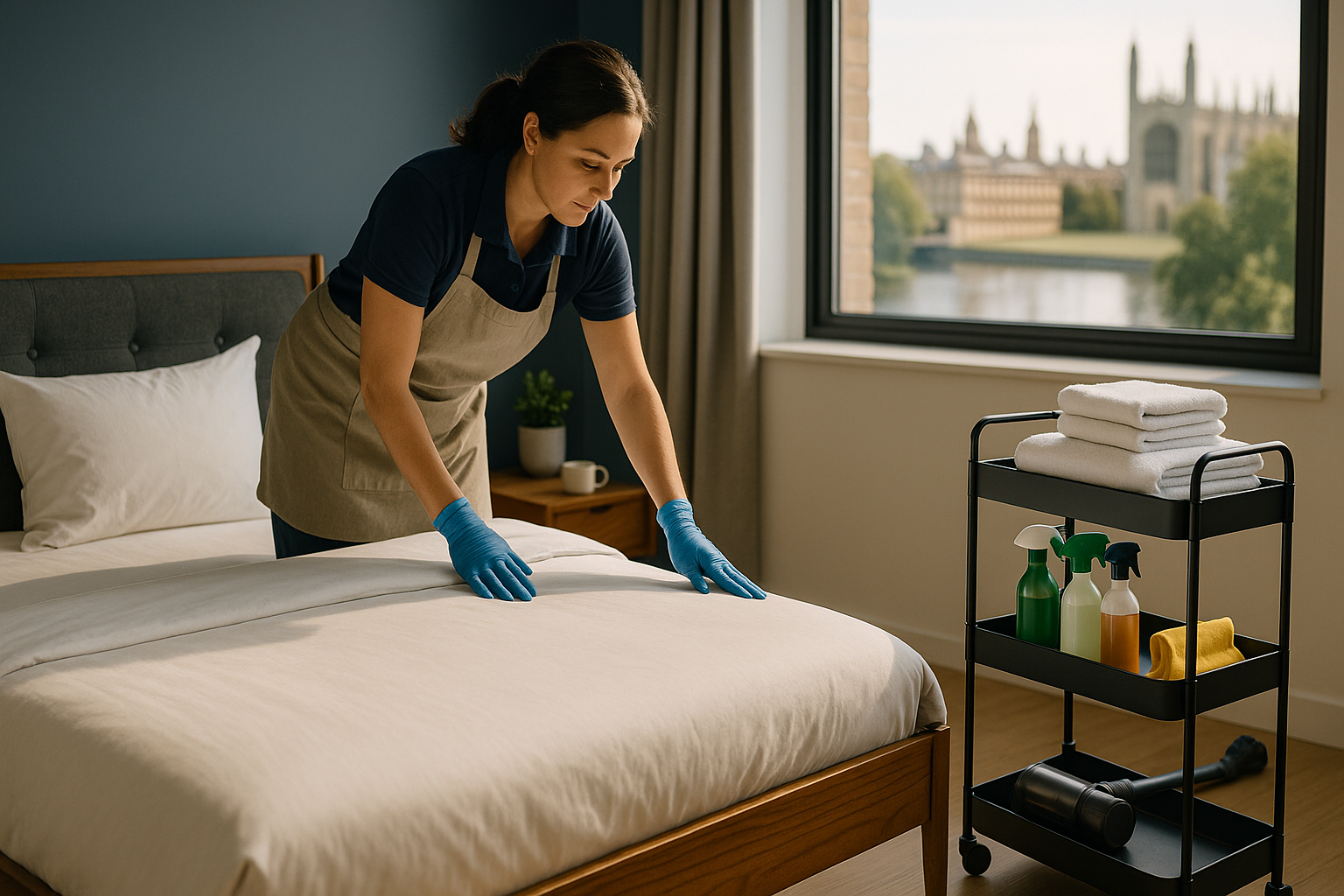
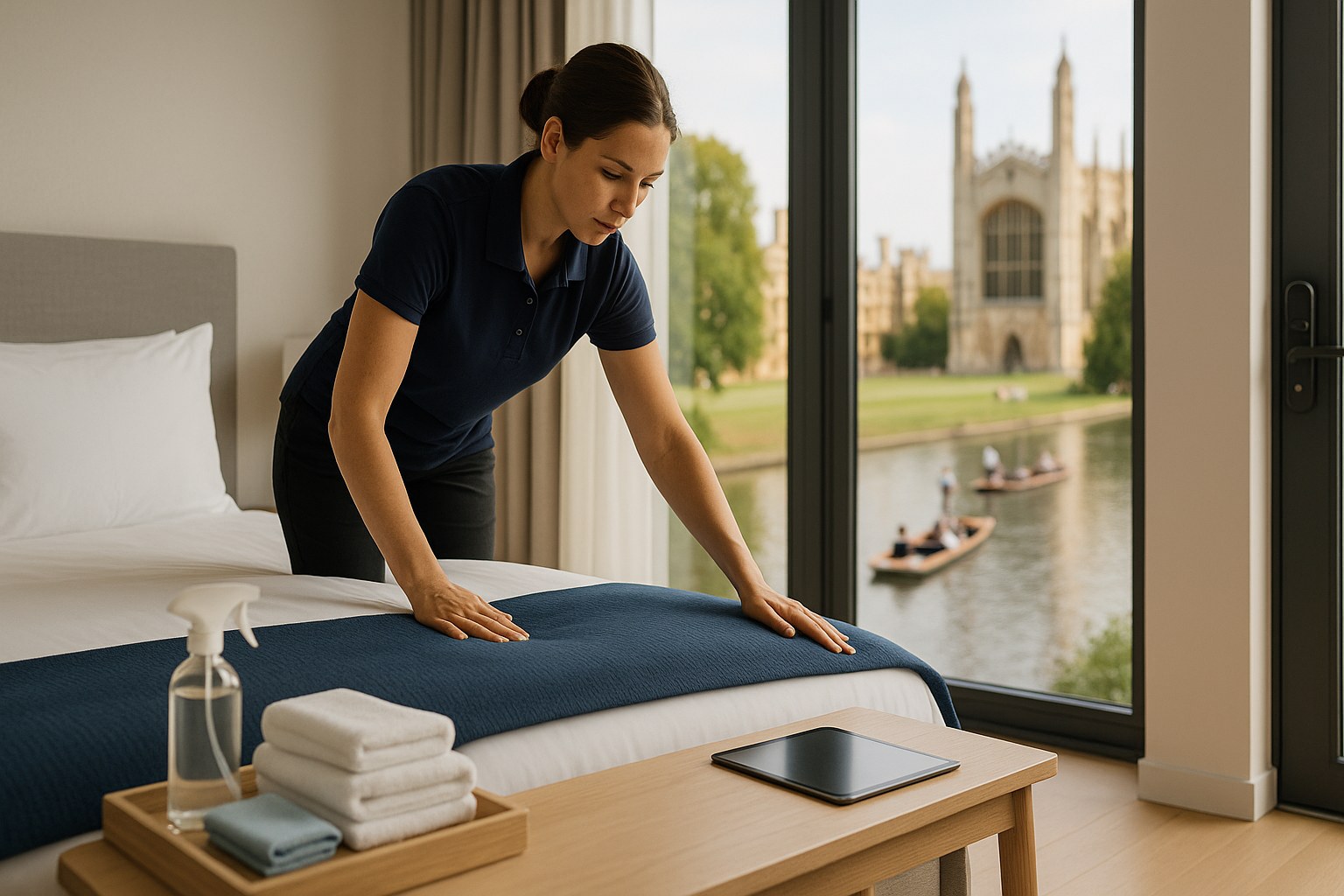
Strip beds immediately and place used linens into a sealed laundry bag. Inspect mattresses and bedding for stains, pet hair, or damage. Make beds with fresh linens using tight pillow and sheet arrangements to give the room a hotel-clean appearance. Dust all surfaces, including bedside tables, lamps, closet shelves, and window sills. Open and close windows to check that they operate smoothly. Vacuum carpets or sweep and mop hard floors, and remove any hairs or debris from under the bed.
If you provide extra pillows or blankets, fold and store them in a designated closet or a linen basket for easy access. Confirm that any guide materials, spare keys, or welcome notes are present and legible.
Bathrooms require meticulous attention because cleanliness here strongly influences guest satisfaction. Clear countertops and clean all surfaces with an appropriate disinfectant. Scrub toilets, tubs, and showers, removing soap scum and mineral buildup from glass doors and fixtures. Replace or restock toiletries and ensure soap dispensers operate correctly. Replace any used towels with clean ones, and hang them in a consistent, tidy manner.
Check grout lines and caulk for mold or gaps; if you see signs of mold recurring, flag it for deep cleaning or professional remediation. Replace shower liners when they show wear. Finish with a streak-free wipe of mirrors and a quick sweep and mop of the floor.
Laundry efficiency matters. Run sheets and towels in full loads to conserve energy but avoid overloading machines which reduces cleaning effectiveness. Use a reliable detergent and add a sanitizing rinse if available. Fold linens promptly and store them in a clean, dry area away from chemicals. Rotate sheets and towels so items rest between uses and last longer.
Keep a small stockpile of at least two full sets of bedding per bed to cover back-to-back bookings. For high-turnover listings, maintain three sets where space and budget allow.
Sweep porches, clear cobwebs from eaves, and tidy outdoor furniture. Replace missing or damp cushions and check that lighting at entrances works. Do a quick landscaping check for hazards or debris. Clean any BBQ grill and remove ashes and grease if it is part of your guest offering, or clearly communicate restrictions if guests are not permitted to use it.
Test smoke and carbon monoxide detectors monthly and replace batteries yearly, or sooner if they fail. Keep a basic first-aid kit available and visible, and check that fire extinguishers are accessible and inspected according to local regulations. Replace burned-out light bulbs and ensure all locks operate smoothly. If you supply baby gear, inspect it for safety compliance and cleanliness before each booking.
Routine turnovers keep the property guest-ready, but a schedule for deeper cleaning prevents deterioration. Perform a deep clean every three months for most properties. Quarterly tasks include shampooing carpets or steam-cleaning rugs, washing windows inside and out, cleaning behind and under large appliances, descaling showerheads, and treating grout and tile. Annually, inspect and service HVAC systems, check roof and gutter conditions, and evaluate the overall condition of furnishings.
Document these maintenance activities. A maintenance log helps track when appliances were serviced, when mattresses were replaced, and when paint touch-ups occurred. This documentation supports insurance claims and helps you budget for larger replacements.
Gather supplies that allow a cleaning team to work fast and consistently. Keep a cleaning caddy stocked with disinfectant cleaner, all-purpose cleaner, glass cleaner, degreaser, sponges, microfiber cloths in multiple colors to avoid cross-contamination, scrub brushes, a grout brush, a vacuum with attachments, a mop and bucket, garbage bags, disposable gloves, and a lint roller. Have replacement toiletries like soap, shampoo, toilet paper, and trash bags stored in a labeled cabinet. Provide fresh batteries, nightlights, and spare light bulbs in a small maintenance box.
Label everything and store items in the same place so cleaners know where to resupply. For larger properties, maintain a rolling cart with supplies and a checklist clipped to the top.
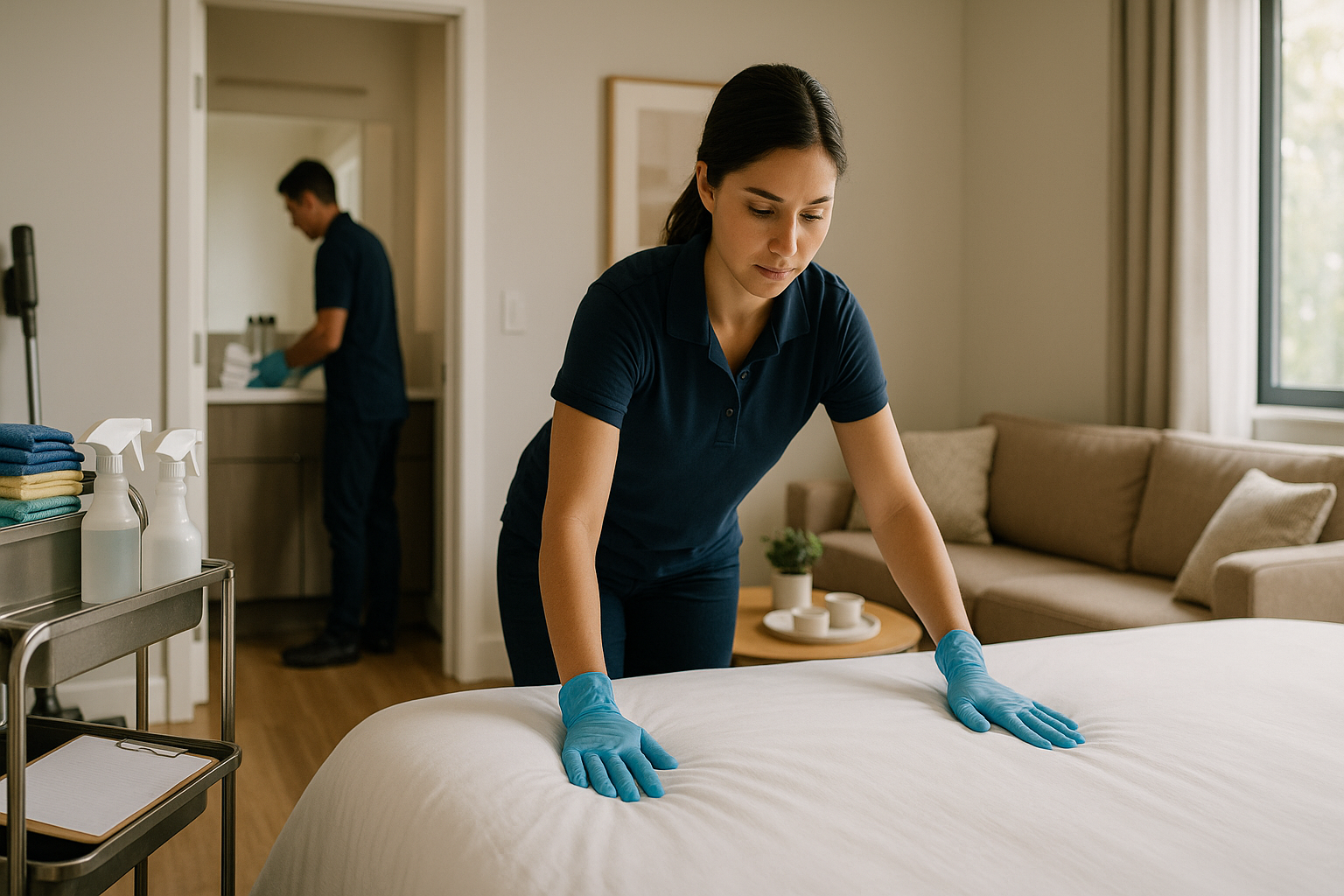
Turnovers become manageable when tasks are sequenced logically and team members know their roles. Start with laundry, since it takes the most time but requires no constant attention. While sheets run, clean bathrooms and the kitchen. Assign one cleaner to bedrooms while another handles common areas and trash removal. When only one cleaner is available, always work from top to bottom in a room so dust falls onto the floor and can be removed last.
Create a consistent cleaning route and post it in the property for the cleaning team. Use short check-in messages or an app to confirm that a turnaround has begun and finished. Photograph problem areas and maintain a simple reporting system for damage or repair requests. When a cleaner finds an issue out of their authority, such as plumbing leaks, instruct them to stop cleaning that area and escalate immediately.
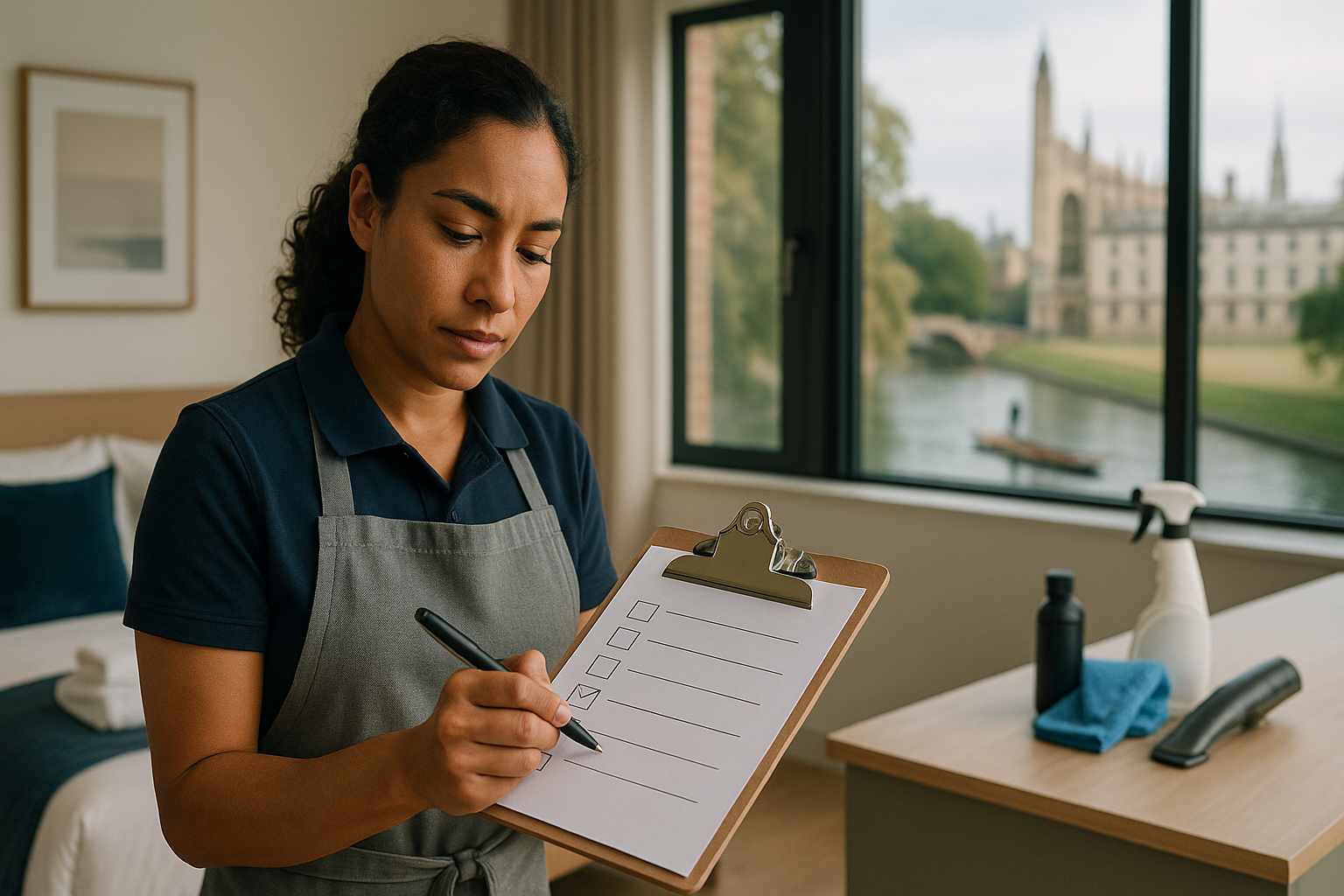
A final inspection separates a good turnover from a great one. Walk through the property with this mindset: imagine you are the arriving guest. Look at everything guests can see within arm’s reach. Confirm beds are made squarely, towels look fresh and neatly hung, trash bags are tied and removed, lights work, and thermostats are set to a comfortable, documented temperature. Flip switches and open cabinets to ensure no surprises like wet towels or unexpected clutter.
Check for small but important touches: a welcome note or contact instructions placed in plain view, a fully charged Wi-Fi name and password displayed, charging cables available if advertised, and a trash can lined and emptied. Take timestamped photos if your platform or team requires proof of cleaning.
Hosts and cleaners often miss the same things. Hidden trash under couches or in drawers is a frequent cause of unhappy guests. Replace cloth shower liners regularly; they hide mildew. Neglected appliance seals, especially on refrigerators, collect grime that causes odor problems. Avoid masking smells with heavy air fresheners; they can trigger allergies. Instead, treat the source and rely on ventilation and washable soft goods to control odors.
Another common mistake is inconsistent supplies. If guests expect coffee and find none, reviews will note it, even if everything else is perfect. A simple restocking checklist keeps consumables consistent. For teams, miscommunication creates repeated errors. Standardize the checklist, require completion confirmation, and review occasional photo reports.
A one-bedroom near a convention center with check-outs at noon and check-ins at 3 PM requires a quick, disciplined routine. Start laundry upon guest departure, clean bathroom first, then kitchen, then bedroom. If an arriving guest reports a missing item, have a policy to respond within 30 minutes and offer a minor compensation if the issue causes inconvenience.
For a four-bedroom vacation home that often hosts large groups, schedule extra cleaning time and a secondary cleaner focused on high-traffic areas like bathrooms and the kitchen. Keep three sets of bedding per bed to handle back-to-back bookings, and perform a deep clean after every set of three large-group stays to prevent build-up of grime and odors.
Track guest feedback and cleaning scores on your hosting platform. If cleanliness ratings dip, review photos provided by guests and communicate with your cleaning team. Small, frequent training sessions can correct recurring problems faster than replacing personnel. Periodically test the property with a mystery guest or ask a friend to check for overlooked issues. Use data to refine the checklist, timing, and supply quantities.
Conclusion
A reliable Airbnb cleaning checklist reduces stress, protects your investment, and creates the consistent guest experience that leads to strong reviews and repeat bookings. Treat cleaning as part of your hospitality brand: document processes, empower your team, and focus on the details guests notice. With the room-by-room routines, maintenance schedule, and workflow strategies above, you will turn quicker, cleaner, and more confidently.